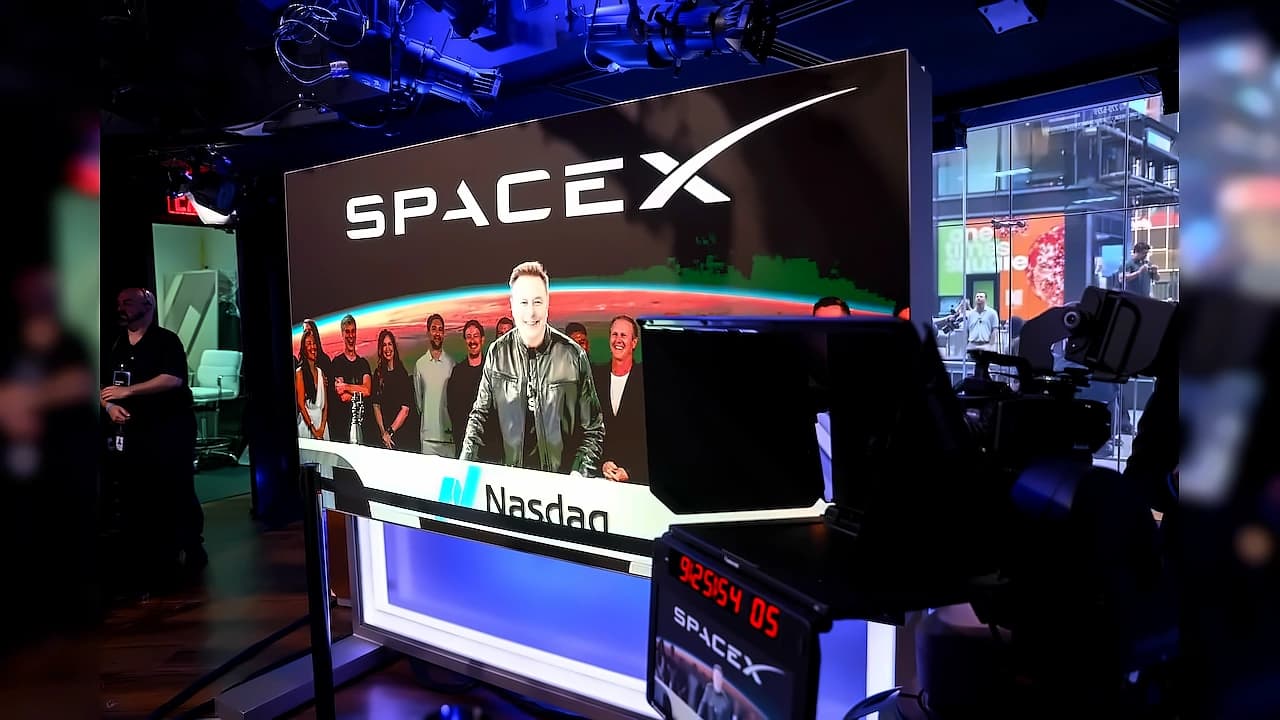
SpaceX is positioned for a significant boost in its Nasdaq 100 index weighting following the upcoming quarterly rebalancing. According to reports from The Economic Times, Bloomberg, and Nasdaq, the company's current weighting of 1.25% in the tech-heavy benchmark is set to increase to 2.25% after the rebalance takes effect on September 21. However, Business Standard reports citing pro forma data from Nasdaq's Global Index Watch circulated late Friday, indicate the weighting could rise to 2.82% from roughly 1.28%. This enhancement comes despite SpaceX holding the sixth largest market capitalisation in the index at above $2 trillion, but currently ranking as the 19th biggest by weighting due to its restricted free float. The weighting increase is primarily driven by the release of more than one billion shares from lockup restrictions, bringing SpaceX's free float to nearly 30% of outstanding shares from less than 10% after its initial public offering. As per Nasdaq, the company's weighting is calculated based on a formula that factors in either its total outstanding shares or three times its free-floating shares, whichever is lower, meaning stocks with low free float have their full market value not used for weighting calculations.
The weighting increase could trigger substantial passive investment flows into SpaceX shares, with $15.5 billion of net passive buying expected from index funds and ETFs tracking the Nasdaq 100. According to JPMorgan Securities strategists led by Min Moon, the weighting increase will force this massive influx of capital into SpaceX shares. Approximately $1.7 trillion in assets currently track the Nasdaq 100 as of the end of the second quarter, including the Invesco QQQ Trust Series 1 exchange-traded fund, as reported by Nasdaq. As reported by Bloomberg, when a company's weighting in an index rises, funds designed to replicate that benchmark generally need to increase their holdings to maintain alignment with the index. This forced buying could create a powerful source of demand for SpaceX shares at a time when the stock has lacked a major fundamental catalyst. Bloomberg's Carmen Reinicke called the potential for stock movement 'really substantial' and noted that SpaceX's weight in the Nasdaq 100 will only continue to rise until all available shares are bought.
SpaceX shares have been largely rangebound in recent weeks following a volatile debut, trading sideways between $133 and $150 over the past four weeks, remaining close to its $135 IPO price. According to Bloomberg reports, the upcoming index adjustment could provide the catalyst needed to push the shares out of their recent trading range. "The market price is going to get shoved around here by, to some degree, forced buying," said Ed O'Gorman, chief executive officer at River Wealth Advisors. "It is going be some time until I think you really get a good read on what the market truly thinks about the stock." Steve Sosnick, chief strategist at Interactive Brokers, noted that "Either some of the newly unlocked shares would sell into the presumed buying that might occur, or the stock could rally because it could get a big pickup from the demand from indexers." The company's first lockup expiration came in August, alongside its first earnings release as a public company, prompting concern that a surge in newly tradable shares could overwhelm demand. However, the selloff didn't materialize, including after a second lockup expired a week later, with insiders largely holding onto their stakes and the stock holding up.

The weighting enhancement represents only the beginning of potential increases for SpaceX's index position as more shares continue to unlock over the coming year. According to Business Standard reports, SpaceX faces another unlock on Wednesday, when roughly 319 million additional shares held by select insiders are scheduled to become eligible for sale. More than 1 billion additional shares are expected to be unlocked by the end of October, with another 1.3 billion shares becoming eligible to trade after SpaceX reports its third-quarter earnings in mid-November. As the free float expands, SpaceX's weighting in the Nasdaq 100 could rise further, potentially creating additional demand from passive funds and further boosting the company's index position. As Nasdaq reports, the company's free float will continue to rise as more shares are unlocked over the next year, meaning its Nasdaq 100 weighting could potentially increase even more.