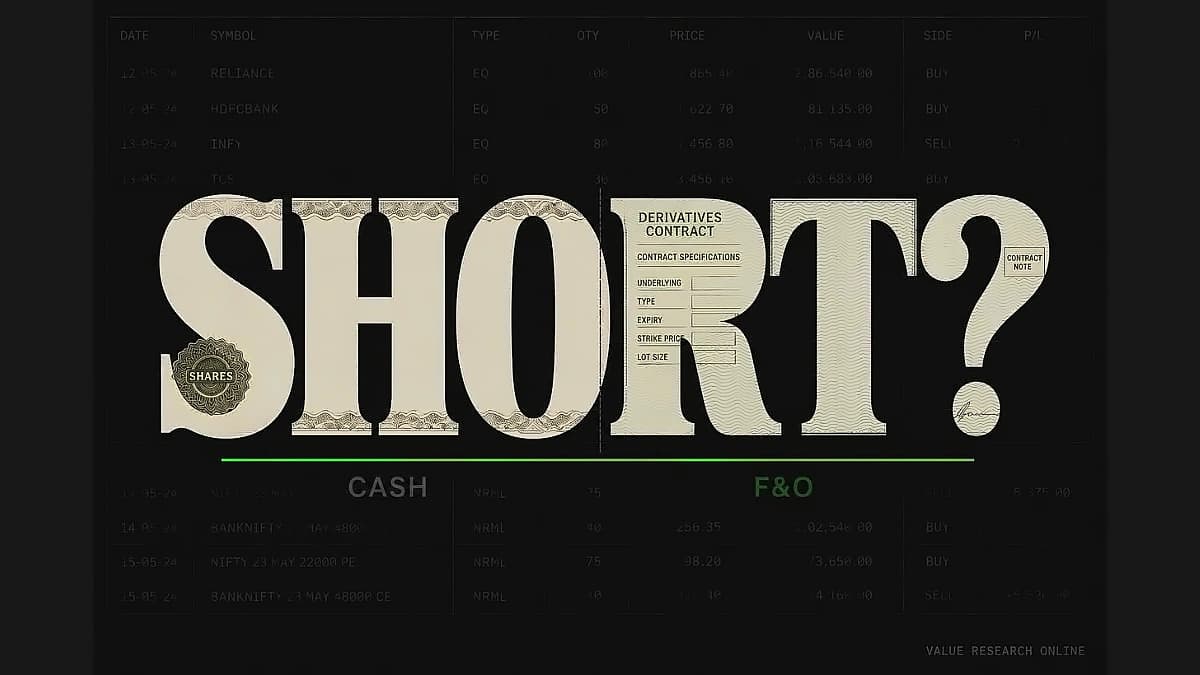


Short selling operates across multiple market segments in India, with distinct regulatory frameworks governing each platform. According to market reports, the cash market and Futures & Options (F&O) segments each have separate short selling rules, while the Stock Lending and Borrowing (SLB) mechanism provides additional short selling opportunities. These different platforms offer investors varying degrees of flexibility and risk exposure in short selling strategies.
The cash market short selling rules establish specific requirements for short positions. As reported by market sources, short selling in the cash market requires investors to borrow shares from a broker or other market participants before selling them. The borrowed shares serve as collateral against the short position, ensuring the seller can repurchase the shares to close the position when required. The cash market framework includes specific holding period requirements that govern how long short positions can remain open before mandatory closure.
The Futures & Options segment operates under different regulatory parameters compared to the cash market. According to market reports, F&O short selling involves selling futures contracts rather than physical shares, creating a derivative-based approach to short selling. The F&O framework includes different holding period requirements that may vary from cash market rules, reflecting the derivative nature of these instruments. These rules ensure proper risk management and position monitoring in the futures and options market.
The Stock Lending and Borrowing (SLB) mechanism provides an alternative short selling avenue with distinct characteristics. As reported by market sources, SLB allows investors to lend their shares to other market participants who want to short sell. This mechanism creates a peer-to-peer lending structure where shareholders earn fees for lending their stocks while providing short sellers with access to borrowed shares. The SLB framework operates alongside the cash and F&O short selling rules, offering investors additional flexibility in their short selling strategies.
Recent SEBI proposals for the F&O market introduce significant changes that may directly affect millions of option traders across India. According to FinKuber Capital, these changes are designed to make hedging more efficient and speculation more responsible by creating a risk-based margin system where defined-risk positions receive better margin treatment than completely unprotected ones. The proposals encourage longer-duration contracts to move beyond excessive short-term trading, with lower margins for traders using hedged option strategies and higher costs for traders taking highly speculative positions. These changes aim to reduce unnecessary speculation while encouraging responsible risk management across the market.