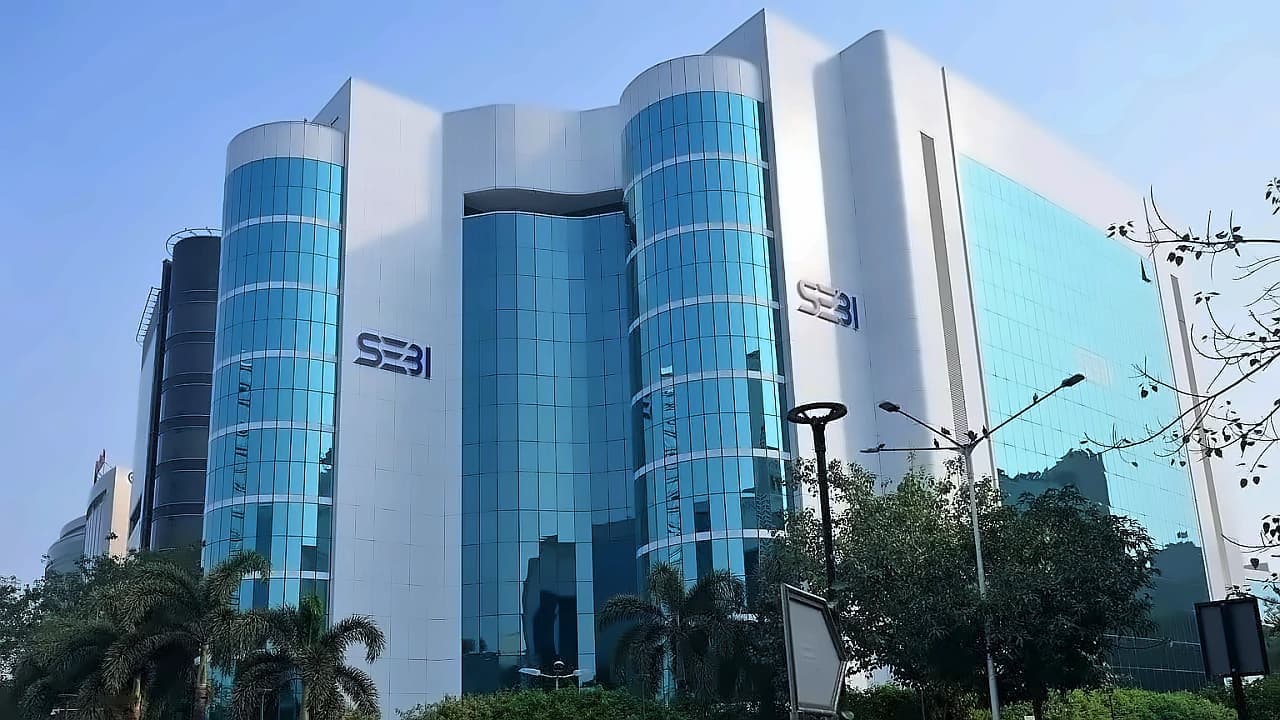
SEBI's proposed Stock Lending and Borrowing Mechanism (SLBM) reform faces a significant structural challenge in addressing closing-price volatility. According to reports from Moneycontrol, the reform depends on a lending market that is 25 times smaller than what is required to effectively address the issue. This substantial gap between the proposed mechanism's scope and the actual market need raises questions about the practical effectiveness of the proposed solution.
The Securities and Exchange Board of India (SEBI) has identified closing-price volatility as a key concern affecting stock market stability. As reported by Moneycontrol, SEBI's proposed Stock Lending and Borrowing Mechanism (SLBM) represents a regulatory response to address this market volatility issue. The reform aims to provide a structured framework for stock lending and borrowing activities within the Indian stock market.
The proposed SLBM reform faces practical implementation challenges due to the significant gap between the required market size and the existing lending infrastructure. According to the analysis, the current lending market is 25 times smaller than what would be necessary to effectively address closing-price volatility. This disparity suggests that the proposed mechanism may not be sufficient to achieve its intended objectives in the current market environment.
SEBI's Closing Auction Session (CAS) is transforming India's trading landscape by enhancing market liquidity through the Stock Lending and Borrowing Mechanism (SLBM). As noted by Devarsh Vakil, Head of Prime Research at HDFC Securities, the SLBM plays a crucial role in improving liquidity at the close of trading sessions. The new system is expected to deliver benefits such as decreased market volatility and improved liquidity, though experts acknowledge that some early adjustments are necessary, particularly for algorithmic traders who must adapt to the updated framework.

SEBI Chairman Tuhin Kanta Pandey has emphasized that the Closing Auction Session (CAS) mechanism aligns Indian markets with global standards, a sentiment echoed by international market participants. The permanent nature of this reform positions India's trading infrastructure on par with international best practices. The ongoing efforts by intermediaries to raise public awareness of these new regulations across trading platforms demonstrate the comprehensive approach to ensuring smooth market transition and compliance with the updated framework.