Former BJP MP Kirit Somaiya has escalated concerns over the BSE Sensex's dramatic flash crash on August 27, urging SEBI to investigate the sharp swings during the Closing Auction Session (CAS). According to The Economic Times, Somaiya questioned whether the new CAS mechanism, introduced on August 3, has weaknesses related to liquidity and price discovery. In his latest communication to SEBI, he has shared a proposal received that calls for CAS to be suspended, reviewed and redesigned before reintroduction. The proposal flags concerns over liquidity, price discovery and the potential for sharp price moves when continuous cash-market trading ends. Somaiya stated that "SEBI must not take this CASUALLY. If it is a weakness, then the officials who drafted it should owe an explanation. If it is done knowingly, is it healthy? Is it sabotage to stop implementation of CAS?"
The BSE Sensex experienced its most dramatic flash crash yet during Thursday's closing auction session, with the index plunging over 2,000 points within minutes before recovering some losses. According to The Financial Express, the 30-stock index fell from around 77,200 at 3:17 pm to nearly 74,983 at 3:23 pm, representing a 2,000-point decline in just six minutes. The index eventually closed 539 points, or 0.7%, lower at 76,934, marking a significant escalation from previous flash crash episodes. The Nifty remained comparatively stable during the episode. Market experts attributed the sharp divergence largely to thin trading volumes on BSE, with the unusual move triggering strong reactions from traders on social media who described it as "deadly" and "daylight robbery."
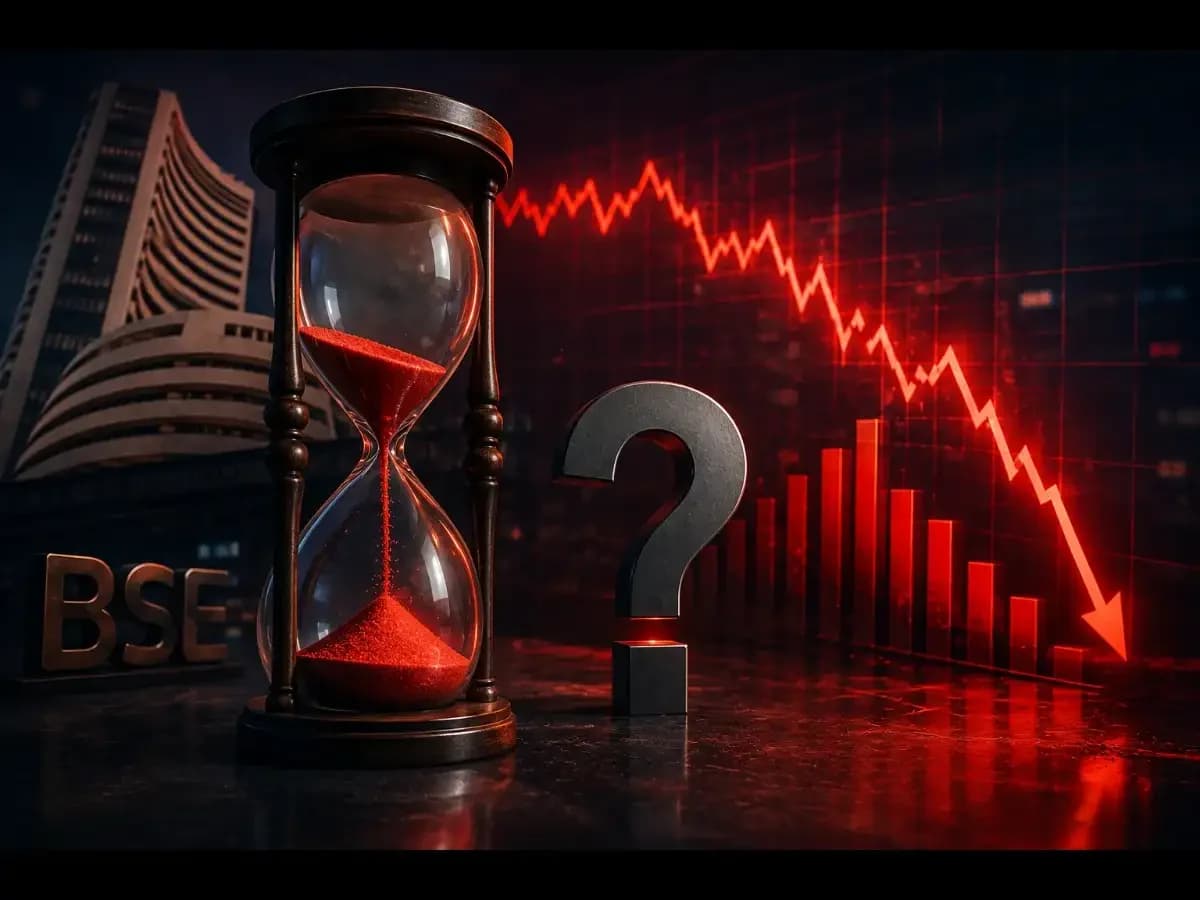
Thursday's expiry session showcased the extreme volatility potential of the new Closing Auction Session system, with options markets experiencing unprecedented swings. As reported by The Financial Express, a ₹64,000 put option tied to a bank index was trading at just ₹1.70 at the start of the auction, shot up to ₹68.55 — a jump of nearly 4,000% — before crashing back to zero within 15 minutes. This dramatic surge came as indicative closing levels during the auction briefly pointed to a near 3% decline in the Sensex, sharply steeper than its fall before the session began. The banking index also saw rapid falls, with the BSE Bankex at one point indicating a drop of 3.3% before partially recovering to close 1.7% lower. The sharp volatility stems from a mismatch in how the cash equities and options markets close, with stocks that have derivatives tied to them getting final prices via auction while options keep trading during the process.
Former BJP MP Kirit Somaiya has raised serious concerns about the structural design of the new Closing Auction Session framework, highlighting critical liquidity fragmentation issues. According to The Economic Times, Somaiya's note attributed the sharp movement partly to "no depth due to lack of liquidity after 3.15. All now trade before 3:15 pm. Any person who wants to purchase/sale after 3:15 pm doesn't find liquidity and hence volatility." The note argues that under the present framework, continuous trading in CAS securities ends at 3:15 p.m., after which the market moves into a separate auction, creating a materially shallower order book. On the first day of CAS, reported auction turnover was approximately ₹1,276 crore on NSE compared with around ₹10.8 crore on BSE, a difference of more than 100 times. The proposal attached to Somaiya's latest letter argues that CAS may need to be reviewed because liquidity can fall sharply once continuous trading ends at 3:15 p.m. It also raises concerns about separate closing auctions on NSE and BSE and whether relatively low trading volumes during the auction can produce a reliable closing price, noting that the closing price has wider implications because it feeds into index levels, mutual fund NAVs, portfolio valuations and derivatives settlement.
The extreme volatility has prompted SEBI to pass an interim order on August 19 finding prima facie manipulation and impounding alleged gains from the episode. According to The Economic Times, the order describes two parties involved in the manipulation scheme: one allegedly placed an aggressive order that pushed the indicative price higher, linked to expiry-day options positions, while another allegedly placed large sell orders across eight Sensex constituents at prices substantially below prevailing market levels and cancelled them moments before the auction ended. This manipulation occurred on August 13, the ninth trading day of CAS and a Sensex weekly expiry. In the latest regulatory action, SEBI barred Copthall Mauritius Investment, a JPMorgan-owned entity, and Mansi Share and Stock Broking from accessing the securities market over alleged manipulative trading during the Sensex closing auction. The regulator ordered the impounding of ₹3.68 crore in alleged wrongful gains and alleged that Copthall placed aggressive buy orders in Sensex constituents, while Mansi placed large sell orders in eight stocks and subsequently cancelled almost all of them. SEBI said it had not found prima facie evidence that the two entities acted in concert.
Jimeet Modi, Founder and CEO of SAMCO Group, argues that India's Closing Auction Session (CAS) framework lacks critical safeguards that mature markets have implemented to prevent manipulation. Speaking to The Economic Times, Modi notes that India's auction currently permits limit orders to be cancelled right up to the end of the session, while mature markets like the NYSE and Nasdaq have built friction into final windows with increasingly constrained cancellation restrictions as the auction approaches. He proposes freezing cancellations during the critical final window, introducing order types that can reduce imbalance but cannot deliberately widen it, and deepening market-making participation around the auction. Modi emphasizes that the 3% price band applicable to individual stocks may constrain constituent movements but does not prevent coordinated index-level distortions, making index-level settlement particularly vulnerable to manipulation. He concludes that "CAS is not the problem; deploying CAS without the full supporting microstructure is the problem" and that the solution lies in building proper safeguards rather than adding additional restrictions that could reduce participation and thin liquidity further.