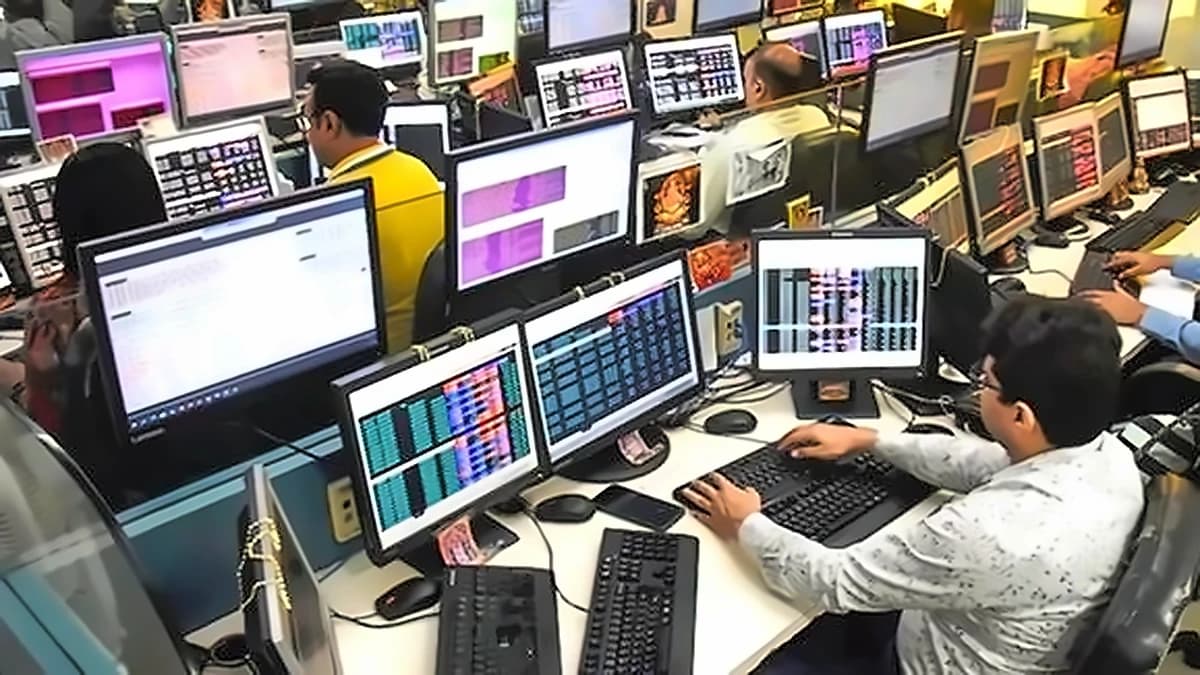
Indian stock markets witnessed a significant rally on Wednesday (May 6, 2026) with the BSE Sensex jumping 940.73 points, or 1.22%, to settle at 77,958.52. According to reports from PTI, the 30-share index surged as much as 1,004.99 points, or 1.30%, to a day's high of 78,022.78. The NSE Nifty rallied 298.15 points, or 1.24%, to end at 24,330.95, breaking above the psychologically significant 24,300 resistance level. The rally was primarily driven by a sharp decline in crude oil prices following developments in U.S.-Iran negotiations, with the index establishing a firm support zone around the 21-DMA and 50-DMA levels. From the 30-Sensex firms, InterGlobe Aviation, Trent, Asian Paints, State Bank of India, HDFC Bank and Eternal were among the major winners, while Reliance Industries, Larsen & Toubro, Power Grid and NTPC were among the laggards. The positive trend in global markets aided the domestic stock rally, with South Korea's benchmark Kospi surging over 6% and Shanghai's SSE Composite index and Hong Kong's Hang Seng index ending higher. As per SocialNews.XYZ, the rally gathered momentum in the second half of the trading session after reports suggested a potential breakthrough in diplomatic talks between the United States and Iran.
The market rally was triggered by U.S. President Donald Trump's announcement of progress in negotiations with Iran towards an agreement to end the war. As reported by PTI, Trump suspended 'Project Freedom,' to escort ships through the Strait of Hormuz, claiming great progress had been made toward a complete and final agreement with Iranian representatives. In a post on Truth Social on Tuesday (May 5, 2026), Trump stated that while the blockade would remain in full force, Project Freedom would be paused temporarily to see whether an agreement can be finalised and signed. US Secretary of State Marco Rubio announced that Operation Epic Fury, launched on February 28, had concluded as its objectives had been achieved. Rubio told a press conference at the White House on Tuesday that "Operation Epic Fury is concluded. We achieved the objectives of that operation. We're not cheering for an additional situation to occur. We would prefer the path of peace. What @POTUS would prefer is a deal..." According to Rediff Moneynews, the global mood showed a slight pause, but not a complete sense of relief, as Trump's announcement helped cool some of the extreme uncertainty in the markets.
The Indian rupee appreciated 61 paise to close at 94.57 against the US dollar on Wednesday, marking a significant recovery from Tuesday's lows. According to Rediff Moneynews, the rupee opened at 95 against the US dollar, then lost ground and touched an intraday low of 95.18 before settling at 94.57 (provisional). On Tuesday, the rupee had settled at 95.18 after witnessing an all-time intraday low of 95.44, on possible RBI intervention after investors retreated from riskier assets amid renewed clashes in the Gulf and targeting of UAE infrastructure. Forex traders said that with the Indian rupee facing severe pressure, the Reserve Bank of India (RBI) is also actively pursuing a "non-direct" strategy to support the currency. According to CR Forex Advisors MD Amit Pabari, the RBI is exploring ways to support the currency without directly using its forex reserves, with one idea being to encourage state-run banks to raise funds through foreign currency bonds. The dollar index, which gauges the greenback's strength against a basket of six currencies, was trading at 97.79, down 0.66 per cent.
Brent crude, the global oil benchmark, was trading lower by 8.25% at USD 100.81 per barrel in futures trade following the U.S.-Iran developments. According to K. Hariprasad, Research Analyst and Founder of Livelong Wealth, cited by PTI, the trigger was largely global - renewed optimism around a potential U.S.-Iran peace deal led to a sharp decline in crude oil prices, offering immediate relief to an import-heavy economy like India. For India, a large crude oil importer, falling global oil prices are almost always positive news - reducing the current account deficit, cooling inflation pressures, and lifting sentiment across rate-sensitive and energy-intensive sectors. The decline in oil prices provided significant support to the domestic equity markets, with the sharp fall in crude prices, coupled with optimism over easing geopolitical tensions, providing a strong tailwind to domestic equities.
India's services sector demonstrated robust performance with services sector growth climbing to a five-month high of 58.8 in April, according to a monthly survey released on Wednesday. The seasonally adjusted HSBC India Services PMI Business Activity Index rose from 57.5 in March to 58.8 in April, showing the strongest rate of expansion since last November. As per the survey, new orders and output expanded at quicker rates, as firms indicated a shift from international to domestic suppliers amid the West Asia crisis. This strong services performance, combined with the broader market rally, signals improving economic momentum despite global uncertainties.
Foreign Institutional Investors sold equities worth ₹3,621.58 crore on Tuesday, according to exchange data, highlighting continued foreign investor caution despite the positive market sentiment. The current rally represents a significant recovery from the previous session's decline, driven primarily by the positive global sentiment and oil price movements, though analysts emphasized the importance of maintaining a cautious stance given ongoing economic challenges. With the RBI actively supporting the rupee through non-direct measures and the services sector showing strong growth, market experts suggest that the current momentum may continue provided geopolitical tensions remain contained and oil prices stay supportive.