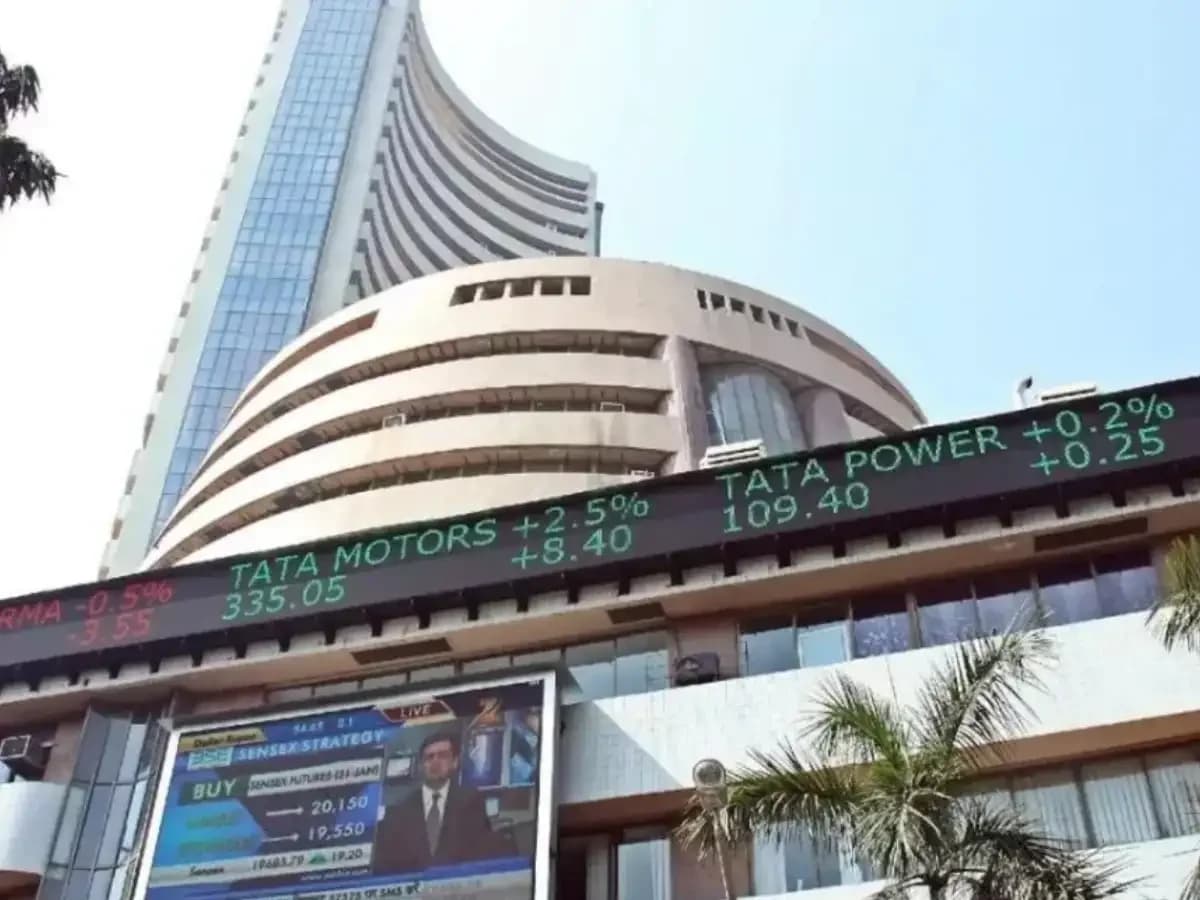
Indian benchmark indices witnessed significant volatility on Tuesday, with the Nifty 50 closing at 24,334.55, gaining 115.50 points or 0.48% from the previous close of 24,219.05. The BSE Sensex ended the session at 77,656.09, up 286.98 points or 0.37% from its previous close of 77,369.11. According to latest reports, the Sensex crashed by 177 points at the opening to be at 77,192 before recovering to close near session highs. Both indices managed to hold onto their gains into the final minutes of trading, signaling steady demand at current levels despite initial weakness. The positive momentum came despite ongoing global uncertainties and geopolitical tensions, with investors focusing on sectoral rotation rather than broad-based momentum. As per Bajaj Broking, the recovery in the final hour helped the Nifty reclaim and sustain above the crucial 24,300 mark, reflecting improved risk appetite despite heightened expiry-related volatility.
A significant sugar price crisis has emerged with average all India retail price of sugar standing at ₹63.05 per kg on Monday, compared with ₹48.73 per kg a month earlier, marking a rise of around 29%. According to Government data, the maximum retail price was ₹75 per kg, while the model price stood at ₹65 per kg. Food Secretary Sanjeev Chopra described the increase as "unjustified," noting that ex mill sugar prices had risen to ₹62 per kg from ₹47 to ₹48 per kg within just seven to 10 days. India's net sugar production after diversion for ethanol is estimated at around 279 lakh tonnes for the 2025-26 marketing year, against domestic demand of about 280 to 285 lakh tonnes. However, the government's latest estimate puts sugar production at 306 lakh tonnes, lower than the earlier estimate of 343 lakh tonnes, with pest attacks and waterlogging caused by excess rainfall affecting sugarcane crops. Opposition parties have blamed ethanol diversion for the price rise, but the government has rejected the argument.
Sectoral action was mixed, with capital-intensive industries outperforming consumer-facing segments. Capital Goods - Electrical Equipment led the charge with a 1.82% gain, followed by Aviation stocks which rose 1.66% and Media Entertainment & Publication which gained 0.87%. On the flip side, Cables suffered heavy selling pressure, dropping 3.55%, followed by Castings & Forgings which fell 1.76%. Key individual stock movers included Ceigall India securing a major ₹704.7 crore highway contract for NH-913 construction and recommending a final dividend of ₹0.50 per share. Vibhor Steel Tubes reported strong Q1FY27 revenue growth of 20%, while Fedbank Financial Services plans to raise ₹2,500 crore via debt. Kronox Lab Sciences posted an 8.6% profit rise for FY26 and declared a final dividend. According to Bajaj Broking, Consumer Durables, Infrastructure, IT, Media, Pharma, and PSU Banks emerged as key gainers, while Energy, Metal, and Private Banks witnessed selling pressure and remained the key laggards.
Brent crude, the global oil benchmark, traded 0.35% higher at USD 92.49 per barrel, while WTI crude hovered around $85.31 per barrel amid geopolitical supply uncertainty. According to Ponmudi R, CEO of Enrich Money, the US has launched what it calls an ''''''''''''''''''''''''''''''''Economic D-Day'''''''''''''''''''''''''''''''' against Iran, with Treasury Secretary Scott Bessent announcing a sweeping new sanctions campaign that marks an intensification of economic pressure on Tehran. The latest escalation in the US-Iran standoff follows the expiry of the 60-day ceasefire window, with no further talks currently planned. However, the sharp fall in crude prices has not brought positive sentiment to the global economy, instead raising concerns over a potential energy crisis among countries.
The broader market outperformed the benchmark indices, with the Nifty Midcap 100 gaining 0.54% and touching a fresh all-time high, reflecting continued strength and strong participation. In contrast, the Nifty Small cap 100 ended marginally lower, forming a bearish candle with shadows signalling consolidation amid stock-specific action. According to Bajaj Broking, the index failed to move above last week's high of 24,360 and gave up its Friday's gain to close around the 50-day EMA. India VIX (Volatility Index) edged higher, reflecting growing trader anxiety over geopolitical developments, while Indian 10-year benchmark bond yield traded steady in tight bands. Domestic Institutional Investors (DIIs) provided underlying floor support through steady equity inflows, helping to offset some of the volatility. The index is expected to extend the current consolidation and trade in the broad range of 24,000-24,600 in coming sessions, with short-term support placed at 24,000-23,800 levels.