Indian equity markets witnessed their fourth consecutive session of decline on Tuesday, with the Sensex plunging 1,456.04 points (1.92%) to close at 74,559.24 and the Nifty tanking 436.30 points (1.83%) to end at 23,379.55. According to reports from The Financial Express, the lack of progress in US-Iran negotiations continued to keep global markets on edge, extending the losses for the fourth consecutive session. Over the past four sessions, the Sensex and Nifty have declined 4.36% and 3.91% respectively, with the broader market indices witnessing sharper declines as the BSE Midcap slumping 2.60% and the BSE Smallcap falling 3.04%. The market decline was further intensified by President Trump's comments that the ceasefire with Iran was at its 'weakest' and on 'massive life support', dimming hopes of an immediate peace deal.
The market decline was primarily driven by rising Brent crude oil prices, which surged to hit $105 per barrel this week, up from nearly $73 per barrel before the Iran conflict began on February 28 - representing a 44% jump. As reported by The Financial Express, the rupee weakened to a fresh record low of 95.63 against the dollar amid fears of a widening import bill and rising inflationary pressures. India's vulnerability to oil price volatility is significant, with the country importing nearly 85% of its crude oil requirement and about 30% of crude oil imports and nearly 90% of LPG imports passing through the Strait of Hormuz. India spent ₹16.44 lakh crore ($174.9 billion) on crude oil and petroleum product imports in the financial year ended March 2026, with petroleum imports accounting for nearly 22% of India's total import bill. Former RBI Governor Duvvuri Subbarao warned that prolonged high crude prices could hit India hard, stating that 'sustained high crude prices would widen the current account deficit and feed directly into inflation'.
Prime Minister Narendra Modi has appealed to Indians to conserve fuel, postpone gold purchases for a year, avoid unnecessary foreign travel and adopt work-from-home practices to save foreign exchange reserves. He repeated this appeal on Monday, with the government also cutting fuel taxes sharply to soften the blow for consumers. Excise duty on petrol was reduced from ₹13 per litre to ₹3, while diesel excise duty was cut from ₹10 to zero, with the excise cuts alone estimated to be costing the government nearly ₹14,000 crore every month in lost revenue. However, the government has so far protected consumers from the full impact of rising crude prices, with petrol and diesel prices remaining largely unchanged despite the global rally. The Defence Ministry revealed that India's oil marketing companies (OMCs) are absorbing losses of close to ₹1,000 crore a day, with under-recoveries reaching nearly ₹2 lakh crore in the first quarter of 2026. The OMCs - Indian Oil Corporation, Bharat Petroleum Corporation and Hindustan Petroleum Corporation - together are losing ₹1,600 crore to ₹1,700 crore every day on petrol, diesel and LPG sales.
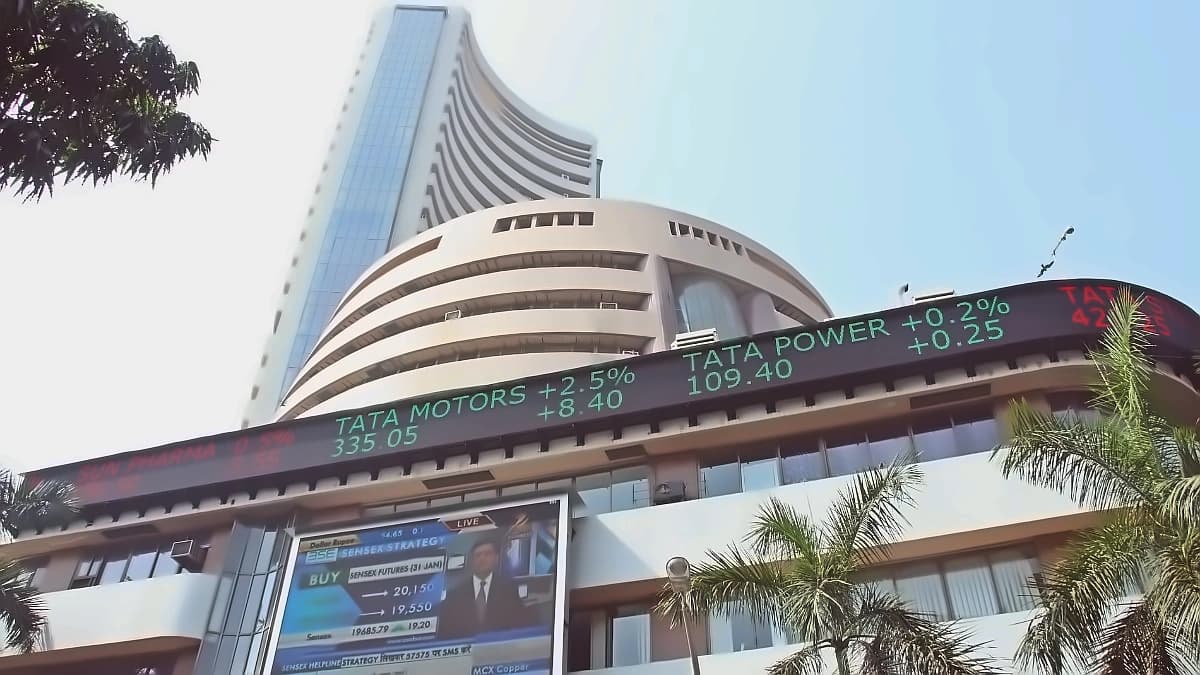
According to The Financial Express, gold jewellery, airline and tourism-related stocks continued to remain under pressure for the second consecutive session following Prime Minister Modi's remarks on austerity measures to conserve foreign exchange. The Nifty IT Index declined 3.73% to a three-year low of 28,234.90 after IT stocks came under heavy selling pressure following OpenAI's $4-billion enterprise AI deployment initiative. Market breadth remained strongly negative with 3,412 losers against 869 gainers on the BSE, while realty, IT, consumer durables, auto and financials emerged as the top sectoral laggards. The travel and tourism sector is in a 'wait-and-watch' mode following PM Modi's call for austerity in travel, with headline retail inflation rising to a 14-month high of 3.48% year-on-year in April, though below economist estimates. Investors lost ₹11.3 lakh crore on Tuesday, while cumulative losses over the past three sessions stood at nearly ₹19 lakh crore.
As reported by The Financial Express, foreign portfolio investors offloaded Indian equities worth ₹1,959.39 crore ($204.89 million), while domestic institutional investors bought shares worth ₹7,990.32 crore. According to Rupak De, senior technical analyst at LKP Securities, the overall sentiment appears extremely bearish with the potential to drag the Nifty index towards the 23,200–23,150 zone in the near term, from where a meaningful recovery may emerge. The crisis has already pushed global crude prices higher, with Brent crude rising to around $105 per barrel this week, up from nearly $73 per barrel before the Iran conflict began on February 28. The S&P 500 VIX rose 2.23% on Tuesday, closing at 18.79, signaling that volatility is not fading as markets read President Trump's comments about the US-Iran ceasefire being on 'massive life support' clearly.