Indian equity markets rallied over 1% today as falling crude oil prices provided significant relief to investors. According to latest market reports, the decline in oil prices directly benefits India by reducing inflation pressure, improving corporate margins, and supporting the rupee. The Indian rupee strengthened slightly today as lower crude oil prices improved India's external outlook, with a stronger rupee signaling better economic stability and reducing pressure on imports. This positive sentiment was further supported by hopes of easing tensions between the US and Iran, which improved global risk sentiment and led to stronger buying across equity markets, including India.

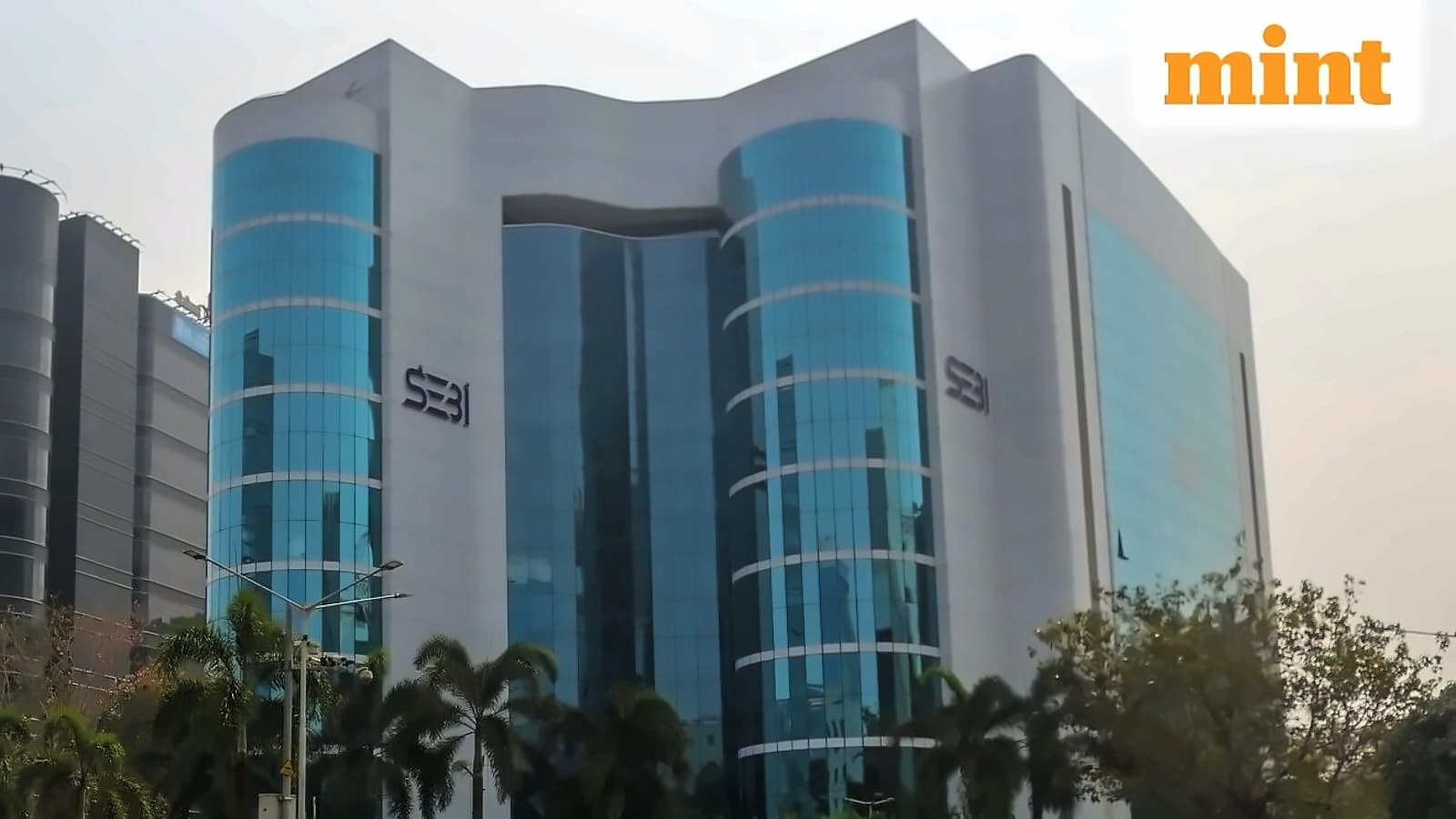
India's market regulator is considering lowering margin requirements for certain margin-funded stock trades in a move that could reduce capital locked up in such trades for brokers and investors. According to reports from The Economic Times, the proposal, discussed and approved earlier this month by the Securities and Exchange Board of India's (Sebi) secondary market advisory committee (SMAC), relates to margin trading facility (MTF) positions for futures and options (F&O)-eligible stocks where clients use cash for pay-in. This will align margin requirements with those applicable to MTF trades in other F&O eligible stocks.
Currently, MTF positions in F&O stocks attract an initial margin requirement equal to value at risk (VaR) plus three times the applicable ELM. However, when the cash collateral collected from a client is subsequently used for settlement obligations, the margin requirement on the funded stock rises to VaR plus five times ELM. As reported by The Economic Times, the SMAC's proposal seeks to reduce this higher maintenance requirement to VaR plus three times ELM even in cases where cash collateral is used for pay-in, effectively lowering the margin burden on such trades. VaR represents the minimum margin collected to cover expected daily price volatility in a stock, while ELM serves as an additional safety buffer against sharp market moves.
The margin trading segment has expanded rapidly over the past year, with the total MTF book growing 60% year-on-year to ₹1.14 trillion in April 2026, according to a May report by CareEdge Ratings. As reported by The Economic Times, the National Stock Exchange accounted for more than 96% of total MTF volumes. Raj Shah, co-founder and executive director at EPP Securities, noted that these are relatively liquid and actively monitored securities, so aligning margin requirements more closely with actual risk can improve capital efficiency for investors without materially compromising market safety.
Apart from margin rationalization, the SMAC cleared several proposals aimed at streamlining the MTF framework and widening participation. According to The Economic Times, the committee backed allowing early pay-in (EPI) credit to be used as collateral for MTF positions on the unfunded portion of sale proceeds, subject to recovery of the broker's outstanding funded amount. The panel also proposed tighter safeguards around broker capital deployment, with twice the minimum net worth required for broking operations now ringfenced at all times. Additionally, brokerage firms structured as limited liability partnerships (LLPs) may be able to offer MTF to clients as approved by the SMAC.
A consultation paper on the proposed margin changes is expected shortly, with the industry also discussing changes to the extreme loss margin (ELM) framework for MTF trades. As reported by The Economic Times, Sebi did not immediately respond to an emailed query regarding the proposal. Shah from EPP Securities emphasized that MTF books are growing across brokers despite broader markets remaining flat, noting that the risk MTF poses is of stock becoming illiquid in case of sharp market falls, where recovery odds aren't great. The positive market sentiment today reflects how closely Indian markets are linked to global oil prices, geopolitical developments, and foreign investor sentiment.