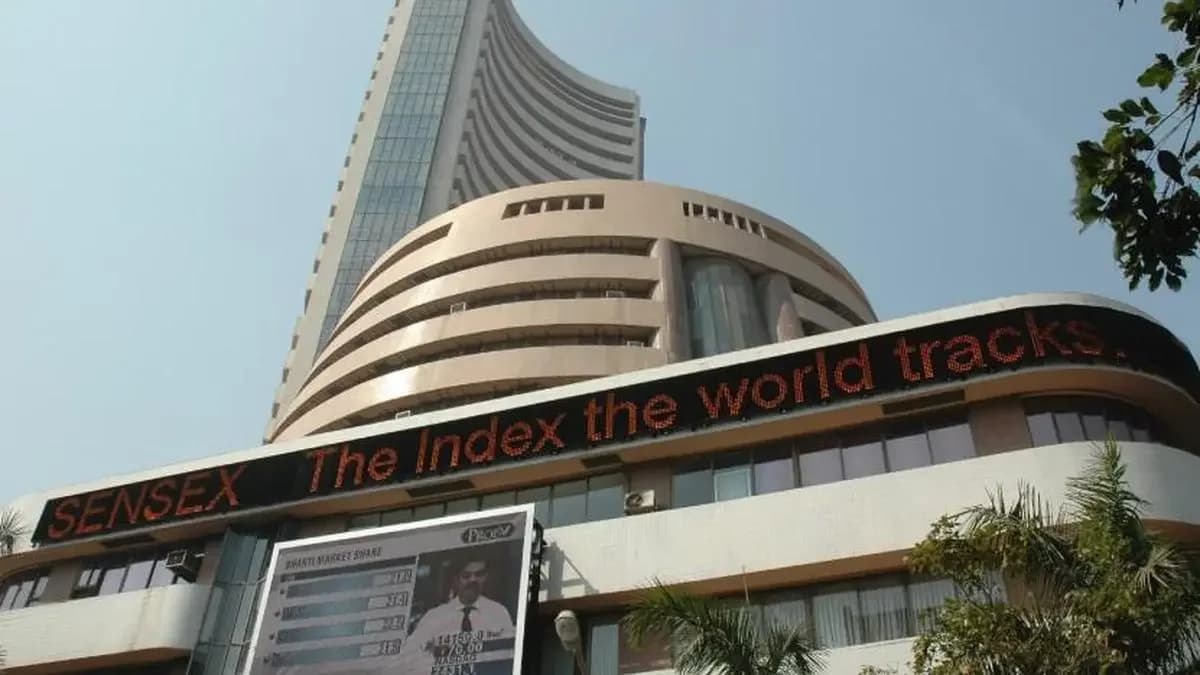
The Securities and Exchange Board of India (SEBI) is exploring the introduction of longer-duration derivatives contracts, with Chairman Tuhin Kanta Pandey recently stating the regulator would engage with market participants to understand what is holding them back from introducing longer-duration products. According to reports from The Financial Express, Indian stock exchanges currently offer derivatives contracts with weekly and monthly expiries, and even the exchanges believe that longer-term term contracts are needed. Sundararaman Ramamurthy, MD and CEO of BSE, has supported the introduction of longer-term derivatives, stating that such products could diversify participation by attracting larger investors and bring greater stability to both the derivatives and underlying markets. As reported by The Financial Express, Ramamurthy emphasized that "A longer-term approach in derivatives is important. Longer expiry contracts can allow investors' views and strategies to play out over time at a lower cost."
Legal and market experts have identified liquidity fragmentation as the primary challenge in introducing longer-tenure derivatives. As reported by The Financial Express, Ketan Mukhija, partner and co-head of private equity and venture capital at Kochhar & Co, noted that the conversation around longer-tenure derivatives is not really about regulation but about liquidity. The introduction of multiple expiry dates could result in trading activity staying concentrated in near-term contracts, while longer-duration products may see limited participation, potentially leading to wider bid-ask spreads and weaker price discovery. Nirali Mehta, partner at Mindspright Legal, highlighted that liquidity fragmentation remains a major concern, with the dominance of short-dated options in India's derivatives market making it uncertain whether retail investors would shift to longer-duration products. According to The Financial Express, Mukhija pointed out that "Sebi has made it clear that there is no regulatory prohibition on launching such products, and the real challenge is whether exchanges can attract sufficient participation to create a liquid market."
The retail investor preference for low-cost, high-leverage weekly options poses a significant challenge to longer-tenure derivatives adoption. According to The Financial Express, Pulkit Sukhramani, partner at JSA Advocates & Solicitors, noted that retail investors are attracted to weekly options due to their relatively low cost and high leverage, making it uncertain whether they would shift to longer-duration products. Longer-tenure contracts also require greater capital commitment due to higher premiums and greater uncertainty from extended exposure periods, which could discourage retail investors and short-term traders further affecting liquidity. However, institutional investors are savvy and can adapt to new products quickly, with Sukhramani adding that they would welcome the introduction of such contracts, particularly from a hedging perspective. As reported by The Financial Express, Sukhramani noted that "Retail investors are attracted to low-cost, high-leverage weekly options. Aligning retail participation with longer-duration contracts will be a separate challenge for Sebi and market participants."

Experts believe the regulatory architecture already allows room for innovation in longer-tenure derivatives. As reported by The Financial Express, Pulkit Sukhramani noted that SEBI can approve new products under the existing regulatory framework, with the bigger challenge being ensuring transparent pricing, maintaining market integrity and protecting investor interests. Nirali Mehta suggested that risk management and surveillance systems may need to evolve to address specific risks associated with longer-tenure contracts, including the possibility of manipulation and enhanced monitoring requirements. The regulatory focus on speculative trading concerns may also be lower compared with shorter-dated contracts, with longer-term contracts better suited for institutional investors seeking to hedge and manage long-term positions. According to The Financial Express, Mehta emphasized that "Longer-tenure derivatives are more likely to be used by sophisticated investors for hedging and portfolio management rather than speculation."