Seafood exporters are emerging as unexpected winners in a market wary of export-driven businesses, with investors betting on limited West Asia exposure and strong global demand. According to reports from Mint, stocks such as Apex Frozen Foods (up 62% year-to-date), Avanti Feeds (up 65.6%) and Coastal Corporation (up 32%) have significantly outperformed the broader Nifty Smallcap 250, which is merely up 1.7%. This contrasts sharply with other export-oriented companies, as world's top gold processor Rajesh Export saw shares fall about 34% over the same period, while Gokaldas Exports declined 3.4% year-to-date.
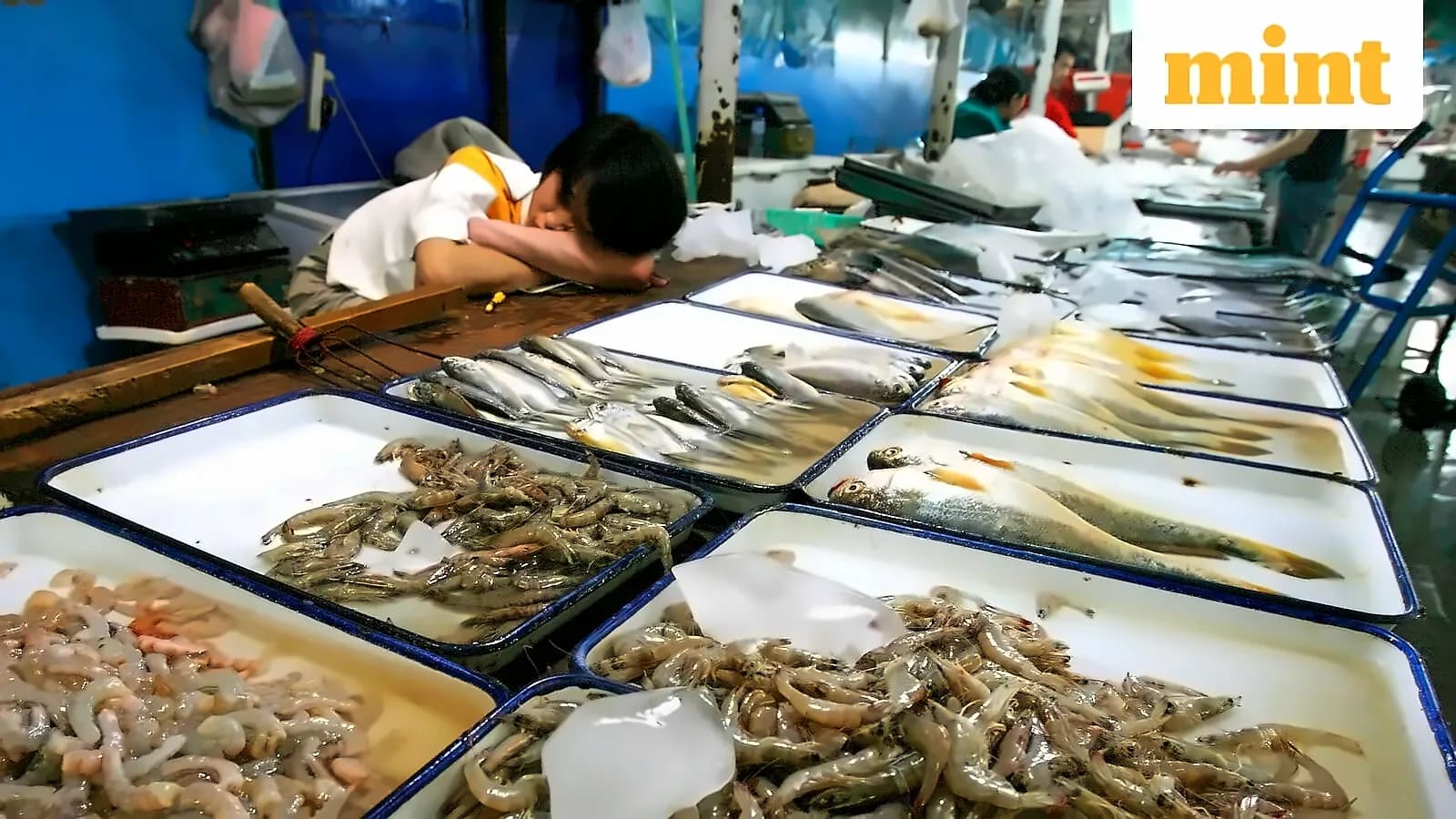
India's seafood exports reached a record ₹72,325.82 crore in FY26, according to provisional data from the Marine Products Export Development Authority as reported by the commerce & industry ministry. Frozen shrimp anchors India's seafood exports, comprising over two-thirds of export value and more than 40% of the volume. The US remains India's largest seafood export market, though shipments to the country declined after reciprocal tariffs, but this weakness was more than offset by growth in alternative markets such as China, the EU and Southeast Asia. As reported by Mint, the US and China continue to dominate demand, offering the sector protection from disruptions in the Gulf region.
Most seafood exports to China, the US, Europe and Japan move through Sri Lanka and Singapore, making West Asia a relatively small revenue contributor for these firms. According to Sonam Srivastava, founder and fund manager at Wright Research as reported by Mint, India's seafood exports to China and Southeast Asia bypass the Gulf region via the Malacca Strait, while Europe-bound shipments are more prone to Red Sea-Suez disruption issues. The impact of Strait of Hormuz disruption is more indirect than it appears, with the bigger financial risk being rising energy costs as crude oil prices topped $100 per barrel after the closure.
Despite maintaining strong credit ratings, Gulf economies are expected to face short-term pressure from regional instability. According to latest reports, UAE's real GDP is projected to contract by 4.8% in 2026, while Dubai's economy could shrink by close to 7% amid disruptions to tourism, logistics, aviation, and non-oil sectors. However, the UAE retained its long-term issuer default rating of AA-, supported by strong oil export revenues and substantial sovereign wealth assets. Saudi Arabia also maintained stable ratings, with analysts projecting a temporary economic slowdown in 2026 followed by a sharp recovery in 2027 as regional trade flows normalise. The Gulf economies' ability to redirect oil exports away from the Strait of Hormuz has been identified as a major factor supporting resilience during the conflict period.
Karthick Jonagadla from Quantace Research identifies Avanti Feeds as the cleaner institutional play with 9MFY26 consolidated PBT rising 33% to ₹698 crore, though elevated fish meal and soymeal prices limit margin optimism. Apex Frozen Foods is positioned as an operating-leverage recovery story with October-December revenue at ₹264 crore and non-US exports near 51%. However, some participants believe much of the sector optimism has already been priced in, with forward revenue growth estimates remaining in low double-digits amid ongoing concerns about shrimp price volatility, disease cycles and currency risks. Market analysts believe that while regional economies continue to face elevated geopolitical risks, the GCC's substantial financial reserves, diversified energy infrastructure, and strategic policy responses are helping cushion the impact of prolonged uncertainty.