Oil and gas stocks experienced significant selling pressure on May 18, with the Nifty Oil & Gas index plunging by nearly 1.6% to hit a low of 11,071.45 during intraday trading. According to reports from Goodreturns, this represented a substantial decline from the previous session's closing price of 11,250.70. At the time of writing, the index had recovered slightly to trade at 11,165.30, down 0.8% from the previous close. Majority of oil and gas companies were trading in the red, with Oil Marketing Companies (OMCs) like Indian Oil, HPCL, and BPCL taking the worst hit. The latest market data shows continued pressure on energy stocks amid volatile global cues.
The government imposed a Special Additional Excise Duty (SAED) or windfall tax of ₹3 per litre on petrol while simultaneously reducing windfall taxes on other fuel products. As reported by Goodreturns, the windfall tax on diesel exports was reduced to ₹16.5 per litre from the earlier ₹23, and windfall on jet fuels was lowered to ₹16 from the earlier ₹33 per litre. The companies pay windfall tax to the government during the export of fuel products, with these taxes typically imposed during unprecedented times such as geopolitical crisis, pandemics, wars, or supply shortages.
Among the worst performers, Chennai Petroleum Corporation led with a decline of over 2.5%, followed by Indian Oil with a 2.4% drop. According to Goodreturns, Adani Total Gas, HPCL, Mahanagar Gas, Aegis Vopak Terminals, Oil India, BPCL, and GAIL India dropped by 1.5% to over 2%. Natural gas companies including MGL, GAIL, Adani Total Gas, and IGL also tumbled after hike in CNG rates by ₹2 per Kg across major metro cities. Heavyweight stocks ONGC, Petronet LNG, and Indraprastha Gas declined by 0.1% to 0.5% accordingly. The current market data shows continued weakness across the sector with most oil and gas companies maintaining their negative trajectory.
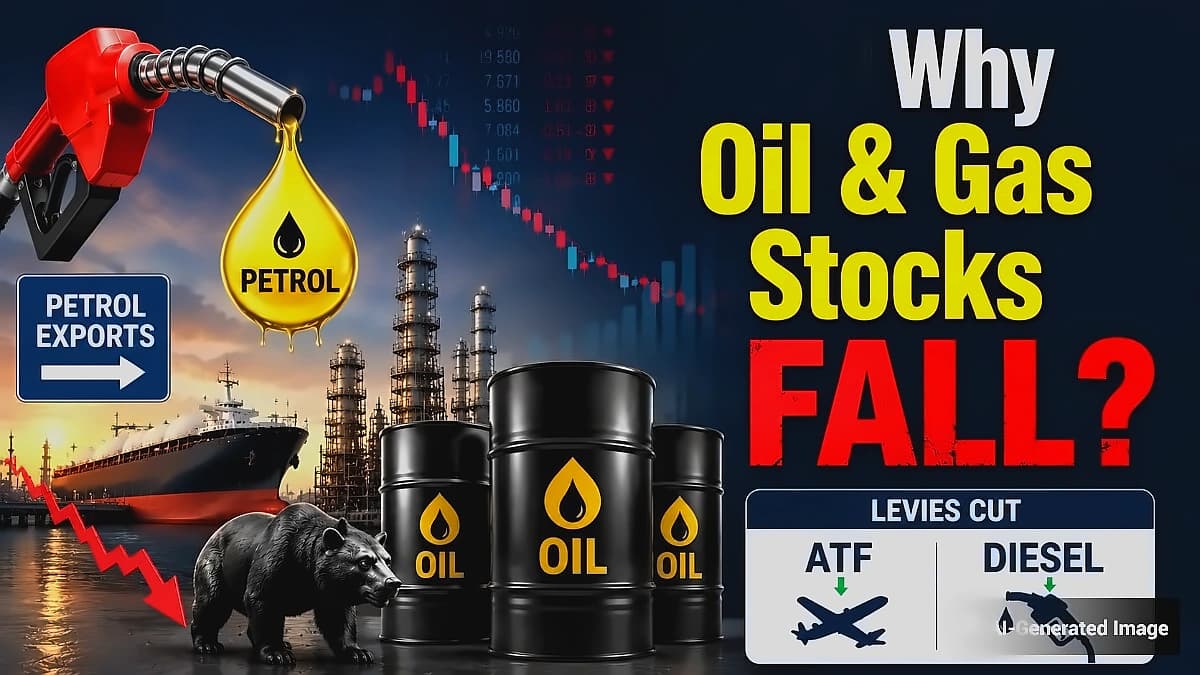
As per analysts at Systematix Institutional Equities reported by Goodreturns, the latest ₹3 per litre fuel prices hike following the Prime Minister's austerity appeal is just the beginning of a larger correction. Analysts explained that the initial adjustment covers only 7-8% of the cumulative under-recoveries from three months of selling fuel at unchanged prices, a burden estimated at ₹1.7-1.8 trillion. The analysis suggests several more rounds of hikes will be needed to recover past losses, particularly against the backdrop of crude potentially remaining anchored above $100 per barrel. However, some stocks showed resilience, with Castrol India and Reliance Industries trading marginally up as they recovered early losses, while Aegis Logistics emerged as the top performer with 1.25% upside.
Current crude oil prices provided additional pressure on oil companies, with US WTI Crude oil trading near $108 per barrel with nearly 2.5% gains from the previous session. According to Goodreturns, Brent Crude surged by 2% to above $111 per barrel. The elevated crude prices, combined with the new windfall tax implementation, create a challenging environment for oil and gas companies as they navigate the complex dynamics of fuel pricing adjustments and global energy market conditions. As per latest reports, crude oil prices are back on the surge amid stalled peace deal between US and Iran, with US WTI Crude Oil up by 2.5% and Brent Crude soaring by 2%.