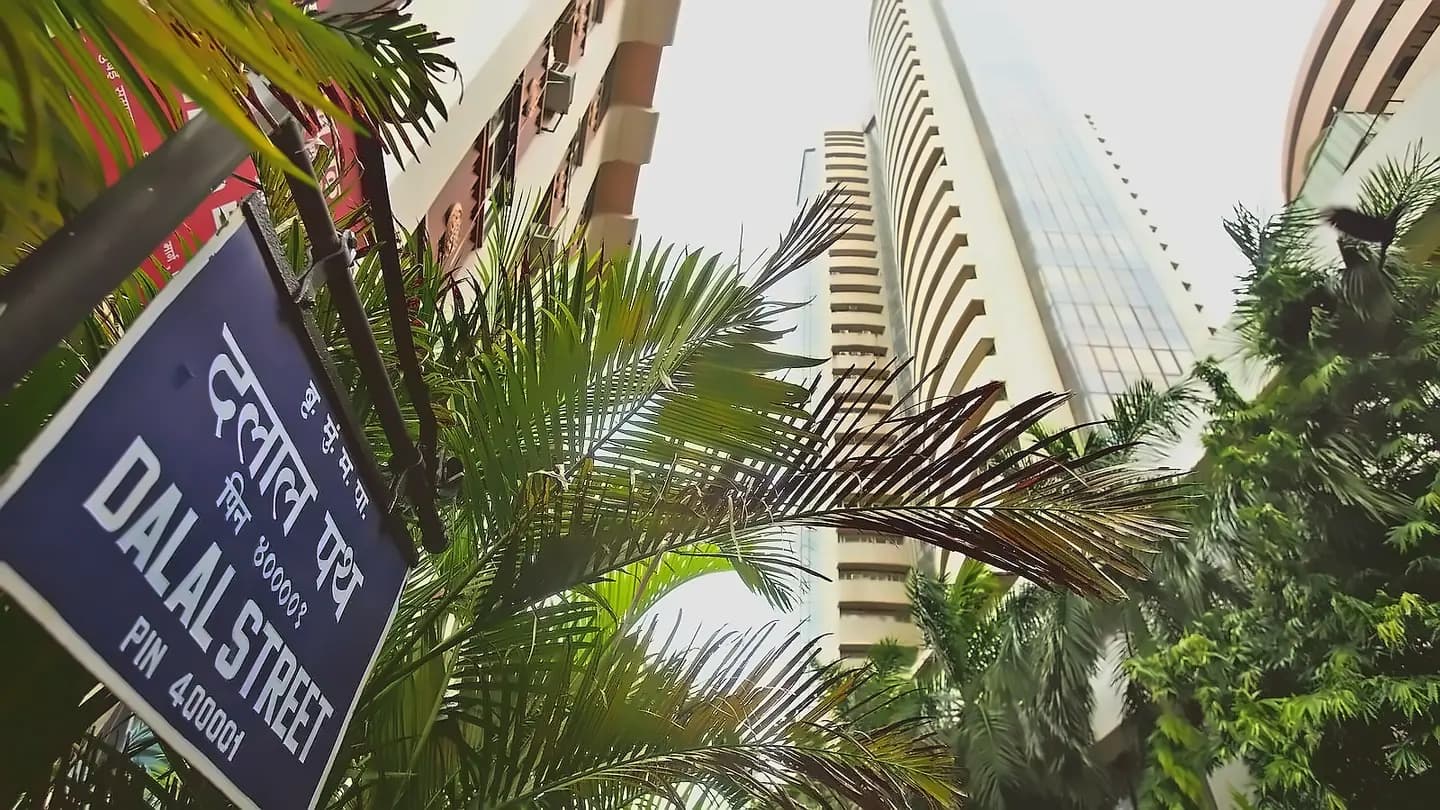
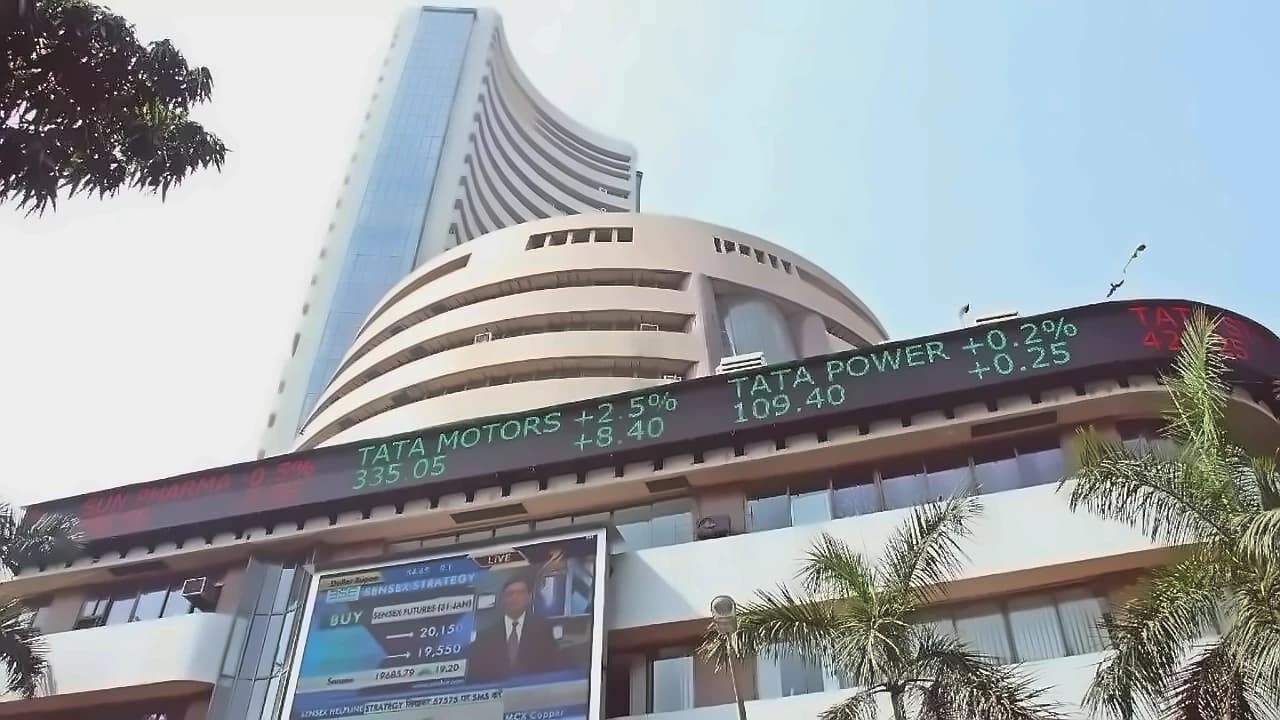
Indian benchmark indices tumbled sharply on Thursday, with BSE Sensex closing at 73,519, declining 450 points or 0.6%, while NSE Nifty 50 settled at 23,072, falling 140 points or 0.6%. The decline extended the weakness seen at the opening bell, with both indices remaining under pressure throughout the session. The Sensex hit an intraday low of 73,318.94 during the session before recovering slightly. Broader markets continued to record losses, with the Nifty Midcap 100 and Nifty Smallcap 100 indices also falling around 0.6% each. Around 1,740 stocks declined on the NSE, while 696 advanced and 97 remained unchanged. Thirteen of the 16 major sectors declined with high-weightage financials and IT losing 0.9% and 1.7% respectively. The India VIX volatility index jumped 8% tracking weak global cues, while the broader small-caps and mid-caps witnessed even steeper losses with Nifty MidCap declining 1.66% and Nifty SmallCap falling 2.88%. At 9:16 AM, TCS, Mahindra and Mahindra, Bajaj Finance, and HCL Technologies were among the top laggards on BSE, while Sun Pharma and Axis Bank bucked the trend. The Indian rupee opened at ₹95.32 per US dollar index compared to Friday's close of ₹94.95 per US dollar, falling 17 paise to ₹95.35 against the US dollar in early trade.
Geopolitical tensions escalated sharply after Iran closed the Strait of Hormuz following US strikes, raising concerns over the fragile security situation in the region and dampening hopes of any immediate peace breakthrough between Washington and Tehran. The latest developments fuelled uncertainty across global financial markets, with investor confidence taking a hit after reports suggested that Iran closed the Strait of Hormuz following US strikes, raising concerns over the fragile security situation in the region and dampening hopes of any immediate peace breakthrough between Washington and Tehran. The geopolitical flare-up also overshadowed positive domestic macroeconomic indicators, including India's strong GDP growth performance in the March quarter. Iranian Parliamentary Speaker MB Ghalibaf had earlier said on X that the US naval blockade and alleged violations of agreements regarding Lebanon amounted to breaches of the ceasefire. Trump separately said new strikes by Israel and Iran would not derail his administration's peace talks with Tehran, adding that Netanyahu "doesn't call the shots." President Donald Trump said on Wednesday that Tehran had been given ample time to negotiate a deal but had chosen not to, adding that the US would now hit Iran "very hard." Iran responded by targeting US military bases in the Gulf region in retaliation for the latest American strikes, significantly heightening tensions in one of the world's most strategically sensitive regions.
Brent crude climbed above $95 per barrel after fears of prolonged instability in the region raised concerns about potential disruptions to global oil supplies. For India, elevated crude oil prices remain a key risk factor as they can widen the import bill, exert pressure on the rupee and complicate the inflation outlook. The rise in oil prices added another layer of caution to market sentiment already affected by geopolitical uncertainty. As per latest reports, Brent June futures contract rose 1.3% to $94.38 per barrel on the Intercontinental Exchange, gaining more than $2 a barrel during the session. The renewed hostilities weakened expectations of a broader regional peace settlement and raised concerns about the resumption of oil shipments through the Strait of Hormuz. As per VK Vijayakumar, chief investment strategist at Geojit Investments, "The escalation of conflict in West Asia, with Iran firing missiles at Israel in retaliation for Israel's aggression in Lebanon, has hardened crude prices."
All sectoral indices opened in the red, with Nifty IT plunging more than 2% to lead losses. Nifty Auto, Nifty Consumer Durables, and a few other sectoral indices fell around 1% each. IndiGo, Kotak Mahindra Bank, HCLTech, Infosys, TCS, and SBI shares were the top losers on the Sensex, falling up to 3%. Power Grid, ICICI Bank, and a few other stocks, meanwhile, recorded marginal gains. The Indian rupee opened at ₹95.32 per US dollar index compared to Friday's close of ₹94.95 per US dollar, falling 17 paise to ₹95.35 against the US dollar in early trade.
Nifty 50 closed the recent week with a bearish candle but managed to hold above the lows of the previous three weeks despite sweeping them intraday, signalling continued consolidation rather than a decisive trend. According to technical analysis, the index remains well supported in the 23,200–23,100 zone, with the short-term setup suggesting that a move above 23,550 could trigger fresh upside momentum. Commenting on Nifty technical outlook, experts said that the 23,250–23,300 zone now acts as the immediate resistance area, followed by 23,450 where the latest breakdown originated. A decisive move above these levels will be required to improve market structure and trigger any meaningful recovery, as per analysts. On the downside, 23,100 remains the immediate support to watch, with a breakdown below this level potentially accelerating selling pressure towards the crucial 23,000 mark. For bulls to regain control, the index needs to decisively reclaim the 20-day SMA at 23,645, while the 24,000–24,126 zone is expected to act as stiff resistance. Aakash Shah from Choice Broking noted that "The immediate trading range for Nifty is seen between 23,000 and 23,500, and a decisive breakout on either side is likely to determine the next directional move."