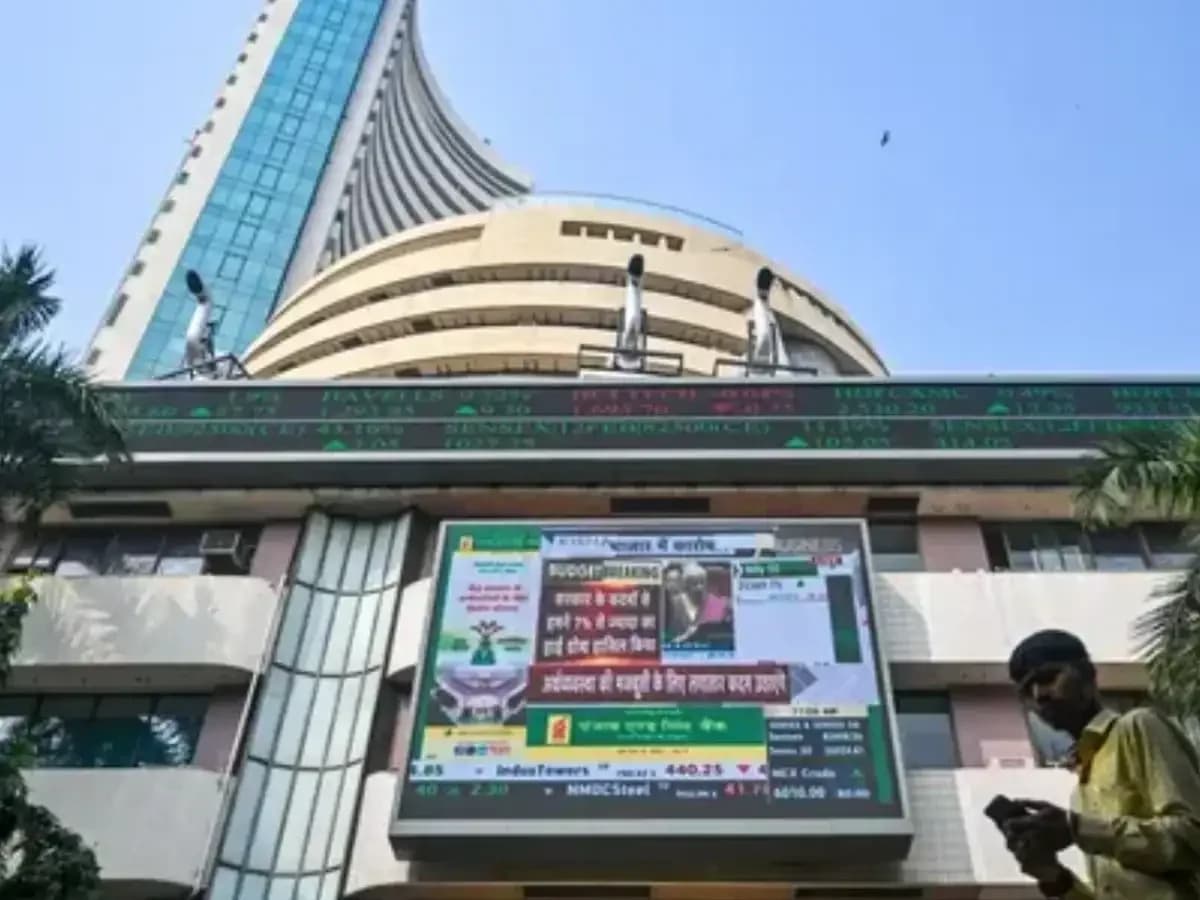
Indian benchmark indices experienced a significant downturn on Friday, with the Nifty closing 1.5% lower at 23,547 amid broad-based profit booking and increased volatility from MSCI index rebalancing. The sharp decline came after GIFT Nifty futures were trading at 23,890.05 as of 7:52 am, indicating the benchmark Nifty 50 would open near Wednesday's close of 23,907.15. The pressure intensified during the final hours of trade after the MSCI Global Standard Index rebalancing came into effect, triggering heightened volatility in select stocks amid expected passive fund flow adjustments and portfolio rebalancing activity. India VIX rose 8% to settle at 16.18 levels, reflecting increased market fear and volatility. The rupee jumped sharply to log its best single-day gain in nearly two months as likely intervention by the central bank converged with a drop in oil prices, which also briefly lifted the local currency above the 95/USD mark.
The US and Iran reached an agreement on Thursday to extend their ceasefire and lift restrictions on shipping through the Strait of Hormuz, sources told Reuters, though US President Donald Trump has yet to approve it, and Iranian state media said it had not been finalized. This development comes after Iranian state TV claimed it had obtained a draft unofficial framework for a memorandum of understanding, but the White House quickly rejected the report as fabricated. The reported outline called for US forces to pull back from areas near Iran and lift a naval blockade, while Iran would restore commercial shipping through the Strait of Hormuz to pre-war levels within a month. President Trump told PBS that Iran would not receive sanctions relief in exchange for giving up highly enriched uranium, signaling Washington is resisting a simple quid pro quo. US Secretary of State Marco Rubio proclaimed that the two sides would need 'a few more days' to iron out the details of a deal, with traders likely to hold their resolve if no clear signs of progress emerge by the weekend. Some relief has emerged in global market sentiment after reports suggested a 60-day US-Iran ceasefire, raising hopes of easing geopolitical tensions and gradual normalisation of shipping flows through the Strait of Hormuz.
Foreign investors sold Indian shares worth ₹1,040 crore on Wednesday, as per provisional data, adding to the ongoing selling pressure. They have offloaded $24.3 billion of shares so far this year, already surpassing 2025's record annual outflows. This sustained foreign selling has contributed to the cautious market sentiment and the two-session decline in benchmark indices. Despite the weak sentiment, broader markets closed on a mixed note with the BSE SmallCap Select index declining 0.15% and MidCap Select index gaining 0.42% in the previous session.
Heavy selling pressure was seen in major financial counters, with banking and financial stocks leading the market decline. HDFC Bank emerged as the biggest drag on the Sensex, falling 2.63%, while Infosys, ITC, Hindustan Unilever, Reliance Industries and ICICI Bank were also among the major laggards. The weakness in financial stocks kept the broader Indian stock market under pressure throughout the session, with Nifty Bank declining 0.90% and Private Banks index dropping 0.83%. Top 10 Banks edged lower by 0.90%, Private Banks index dropped 0.83%, Financial Services by 0.64%, Bankex by 0.48%, Focused IT by 0.26% and IT by 0.26%. However, metal and auto shares gained significantly, with Nifty Metal emerging as the top gainer at 1.74% and Nifty Auto trading in the green at 1.33%.
Analysts say benchmark indices are likely to remain range-bound this week, although select midcap and smallcap stocks could continue to outperform on the back of healthy earnings momentum and strong domestic liquidity. On the downside, the correction may extend further in the near to short term, with the index potentially drifting towards the 23,250 mark and lower levels. Immediate resistance is placed near 23,700, and selling pressure is likely to persist as long as the index remains below this level. Tech View analysis suggests that the India VIX, which measures market fear, rose 8% to settle at 16.18 levels, indicating elevated volatility. Investors are expected to remain cautious as mixed signals from the ongoing negotiations and recurring geopolitical flare-ups continue to keep volatility elevated across global financial markets.