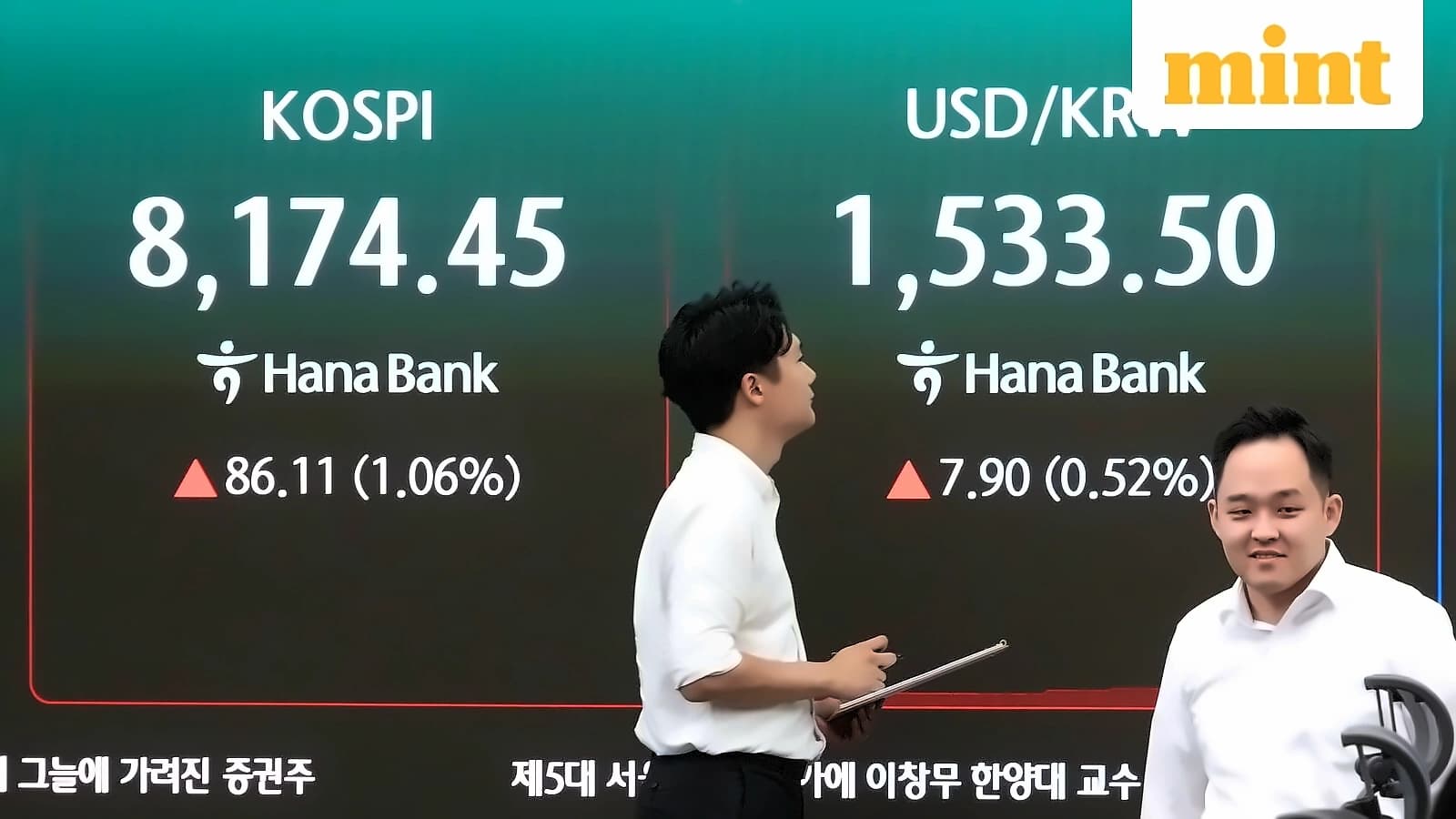
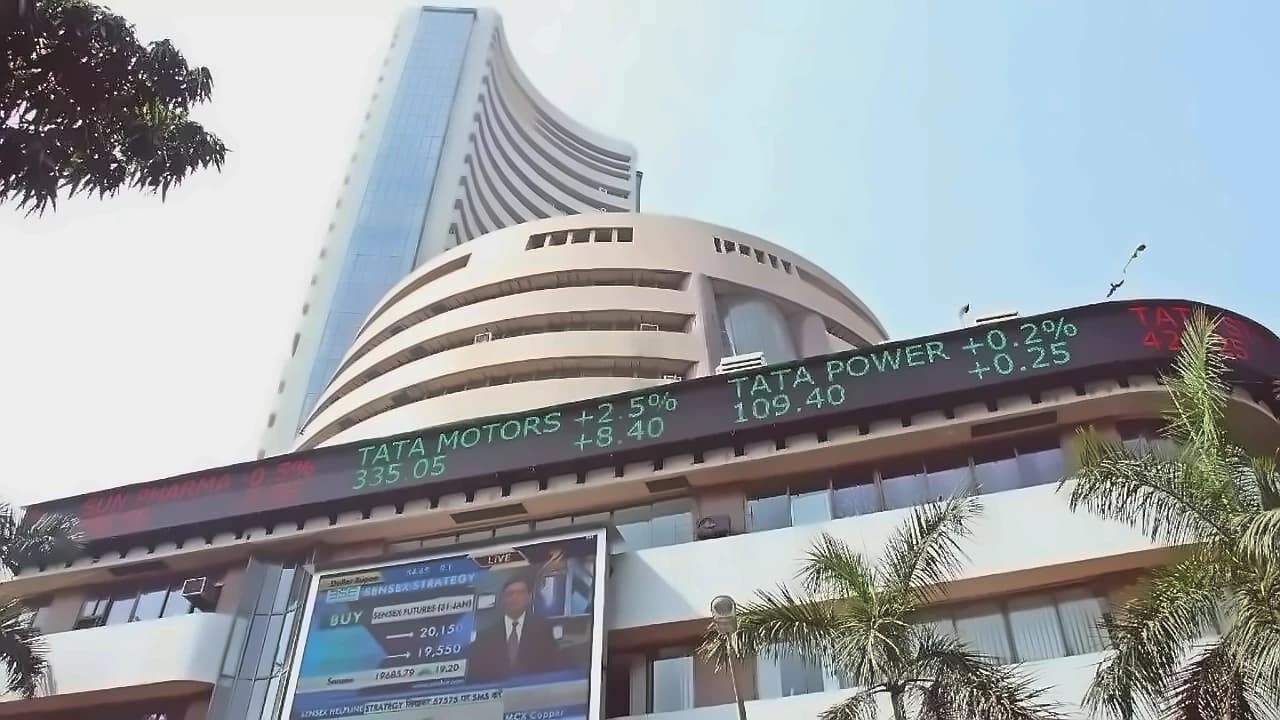
Indian equity markets opened sharply lower on Monday with BSE Sensex plunging as much as 2.16% or 1,675 points to an intraday low of 75,874.85, while Nifty 50 dropped around 2.05% or nearly 500 points to trade at 23,555. The sharp decline came after US-Iran peace talks failed over the weekend, triggering a global risk-off sentiment and renewed geopolitical tensions. According to Hariprasad K, SEBI-registered Research Analyst and Founder, Livelong Wealth, the negative start is largely driven by deteriorating global sentiment following fresh geopolitical escalation in the Middle East. The failure of US–Iran negotiations has heightened concerns of a prolonged conflict, further intensified by reports of a US naval blockade on Iranian ports. This development has triggered a clear risk-off sentiment across global markets, with Asian markets trading lower, with Japan's Nikkei, Hong Kong's Hang Seng and South Korea's KOSPI all declining over 1% each. For India, higher oil prices remain a critical risk given its import dependency, as they directly feed into inflation, currency pressure, and sectoral margin stress.
Crude oil prices have rebounded sharply as supply concerns resurfaced after earlier easing from above $110 to the $94–100 range. Brent crude surged to $103.40 per barrel, up 8.61%, while US WTI crude jumped 9.38% to $105.63. Asit Manohar, market analyst, noted that rising crude oil prices would renew inflation fears, trigger a slowdown in the national economy, and prompt a hawkish central bank. European gas futures also spiked almost 18% at one point. India's energy vulnerability is particularly acute, with over 85% of crude requirements imported and approximately 35–40% of crude demand and 54% of pre-war LPG flows routed through the Strait of Hormuz. Market experts warned that rising crude prices could have significant macroeconomic implications for India, which imports over 85% of its oil requirements, with higher prices expected to widen the current account deficit, weaken the rupee, and increase inflationary pressure. The International Energy Agency has described the situation as "the greatest global energy security challenge in history."
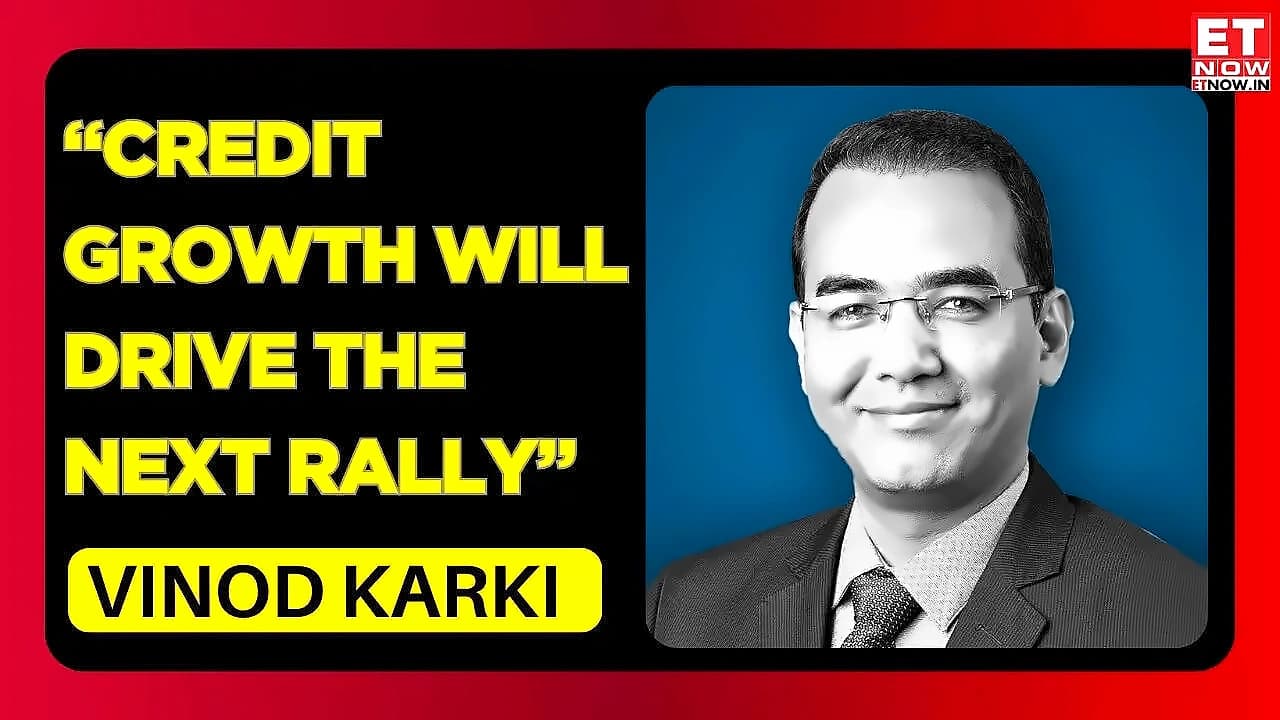
Heavy selling pressure was seen across banking, financial services, auto, realty and energy stocks, with top laggards including Eicher Motors, Maruti Suzuki, Shriram Finance, Bajaj Finance and HDFC Bank. All sectoral indices were trading in the red, indicating widespread risk-off sentiment across domestic equities. The Nifty Smallcap 100 fell around 2% while the Nifty Smallcap 250 also declined nearly 2%, mirroring losses in midcap and large-cap segments. Market volatility surged significantly, with the India VIX rising more than 13%, signalling heightened investor fear and uncertainty. Vinod Karki, Head of Strategy at ICICI Securities, noted that the sharp sell-off was the market's way of discounting a short-term disruption rather than a structural economic shock, with market-cap erosion of close to ₹51 trillion from the day the conflict started to the end of March. Despite the current weakness, India VIX, which closed at 18.8 on Friday, is expected to move higher and potentially reclaim levels above 20 amid rising uncertainty. However, the overall tone of markets this Monday, after the initial fall, is one of cautious hope rather than outright panic, with oil prices beginning to pull back after their initial surge.
The crisis extends far beyond India, with the Philippines declaring a state of national energy emergency as the country imports 98% of its oil from the Middle East. Thailand has seen diesel prices rise by nearly 70%, prompting the government to draw up a three-stage fuel rationing contingency plan. Bangladesh faces public disorder with daily reports of raids on petrol stations and fuel trucks. The Gulf states, despite sitting on massive hydrocarbon reserves, face a different crisis as the blockade has created a grocery supply emergency, with 70% of the region's food imports disrupted by mid-March, forcing retailers to airlift basic staples and pushing consumer prices up by 40% to 120%. Europe enters this phase structurally weak, with gas storage levels at 46 billion cubic metres at the end of February, compared to 60 bcm in 2025 and 77 bcm in 2024. The European Central Bank has warned that a prolonged conflict is likely to push Germany and Italy into technical recession by the end of the year and trigger a period of stagflation across the broader eurozone. Finance ministers from Germany, Spain, Italy, Portugal, and Austria have already written jointly to the European Commission, calling for a bloc-wide windfall tax on energy companies.
Despite the challenging global backdrop, experts view the current market weakness as an opportunity rather than a setback for long-term investors. Motilal Oswal's Group CEO notes that India's macroeconomic fundamentals have remained more resilient than the price action might suggest, with the valuation reset creating meaningful entry points for medium-term investors. The structural case for India remains intact with growth at 7.6% for FY26 and 6.9% projected for FY27, supported by strong policy measures including RBI's 100 basis points cumulative rate cuts and fiscal reforms like GST rationalization. Earnings remain the key medium-term driver with Nifty EPS expected to grow from ₹1,060 in FY26 to ₹1,440 in FY28, implying 16% CAGR over FY26-28. The market's underperformance in FY26, falling 14% in USD terms versus a 27% rise in MSCI EM, was driven by record FII outflows of ₹3.3 lakh crore, including ₹1.2 lakh crore in March 2026 alone, while domestic flows provided strong support with DIIs investing a record ₹8.5 lakh crore. Sectors best positioned include financials, consumption, and capital goods, with the most attractive valuation case concentrated in large-cap equities.