Indian benchmark equity indices witnessed their worst fall in over three months on Wednesday, 8 July, with the BSE Sensex plunging 1,677.12 points, or 2.15%, to close at 76,503.60, while the NSE Nifty 50 fell 516.65 points, or 2.12%, to settle at 23,882.05. The market decline was triggered by US President Donald Trump's declaration that the peace ceasefire with Iran was 'over,' following renewed military action between the two countries. According to latest reports, investor wealth was eroded by about ₹8 trillion as selling swept across large-caps, mid-caps and small-caps, reflecting the broad-based nature of the selloff. The crash came after Trump signalled an end to the temporary understanding with Iran, raising fears of renewed conflict in the Middle East and weighing heavily on investor sentiment across sectors.
The market crash was primarily driven by escalating US-Iran war tensions and rising crude oil prices following Trump's confirmation that the ceasefire is 'over'. As reported by The Times of India, Trump stated 'For me, I think it's over. It's just a waste of time dealing with them.' The renewed military action has heightened concerns over regional stability and raised fears of potential disruptions to global energy supplies. The US strikes targeted more than 80 targets inside Iran in retaliation for attacks on commercial tankers in the Strait of Hormuz, prompting Washington to revoke a sanctions waiver on Iranian oil exports. The breakdown revived fears of a wider conflict around the Persian Gulf, a region central to global oil and gas flows, with traders now pricing in fresh risks to supply from the Middle East. In a flare-up of hostilities, Iran said it targeted U.S. military sites in Bahrain and Kuwait after U.S. forces struck Iranian targets in response to attacks on tankers in the Strait of Hormuz. Trump also delivered sharp criticism of Iran's leadership, stating 'I don't want to deal with them, but they're scum. They're sick people, they're led by sick people, and they're vicious, violent people. If they had a nuclear weapon, they'd use it.'
Oil prices climbed dramatically, with Brent crude for September delivery gaining 2.75% to $76.18 a barrel, while West Texas Intermediate for August rose 2.87% to $72.46 a barrel. The surge was particularly significant for India, as the country depends heavily on imported crude, making it more vulnerable to supply disruptions. According to market analysts, the spike in crude prices has contributed significantly to the broad-based market selloff across sectors, with investors concerned about potential disruptions to global energy supplies and their impact on inflation. The move was sharp enough to hit India harder than many other markets due to its heavy reliance on imported crude oil. Higher oil prices hurt India, the world's third-largest oil importer and consumer, by widening the import bill, stoking inflation and squeezing growth, said Kranti Bathini, director of equity strategy at Wealth mills Securities.
The sell-off was not confined to equities, with the rupee falling 0.62% to close at 95.5550 against the dollar, its weakest level in nearly a month. Indian government bond yields rose as investors reassessed inflation, import costs and the possibility that higher crude prices could complicate the interest-rate outlook. Bond prices fell, sending the benchmark yield up over 7 basis points to 6.7692 by 3:40 p.m. IST. All major market sectors ended in the red, with financials, information technology, oil and gas, autos and fast-moving consumer goods among the hardest hit. The decline reflected both immediate risk aversion and deeper worries that higher energy prices could hurt margins, consumption and earnings. For India, every oil shock quickly becomes a macroeconomic story, as higher crude prices raise the import bill, widen pressure on the current account, weaken the rupee and feed into inflation through fuel, transport, logistics, fertilizers and industrial inputs.
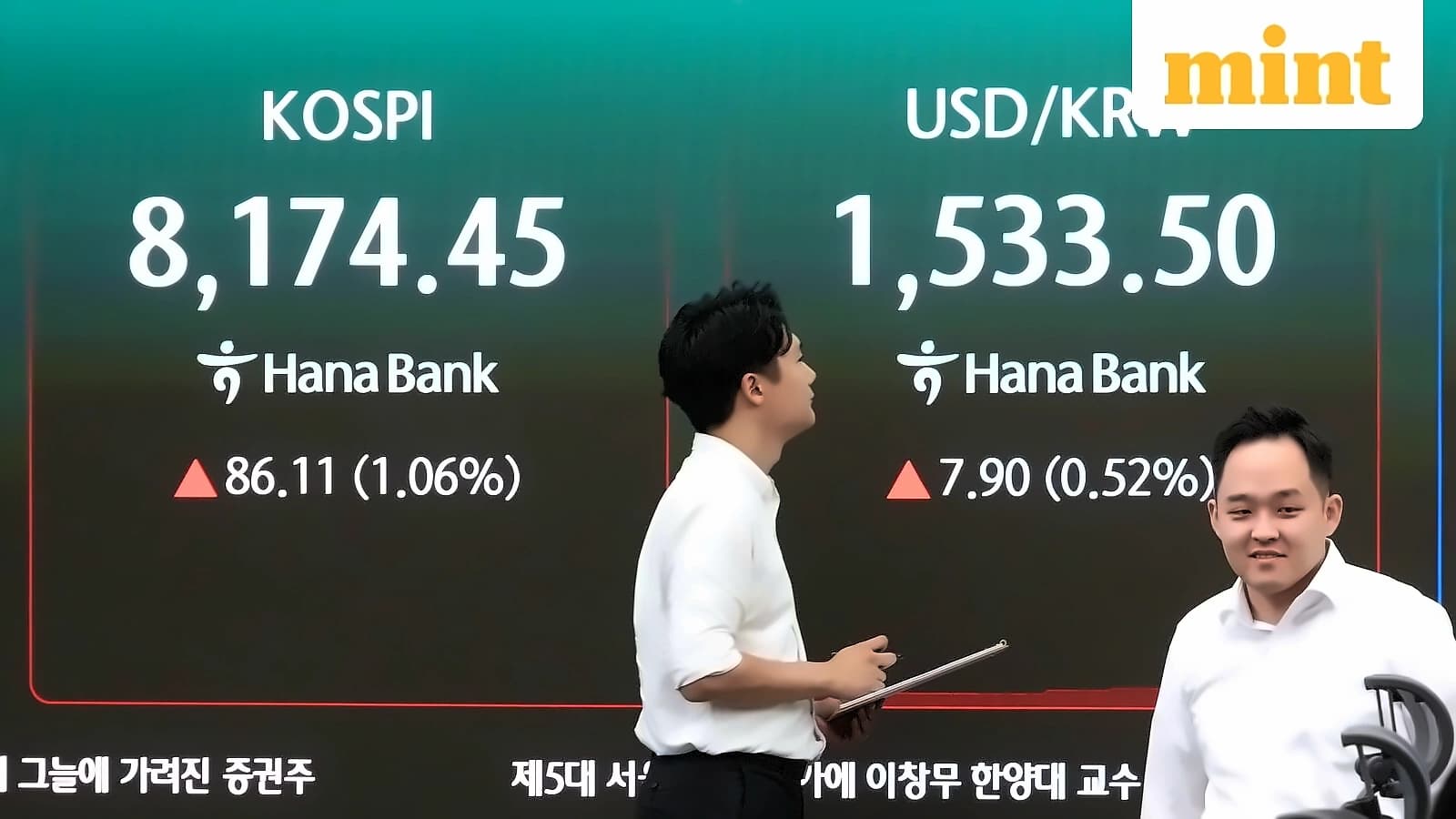
The late-session slide was likely driven by foreign investors selling stocks after three sessions of inflows, as higher crude prices have revived macro concerns. Two traders confirmed this assessment, highlighting the impact of geopolitical tensions on foreign investor sentiment. Foreign investor favourites, financials and IT, lost 2.5% and 1.4%, respectively. The developments have reignited worries over energy supplies and oil prices, a key pressure point for India's markets and macros. This could also spark fresh foreign outflows, potentially slowing a market that was on the verge of recovery, according to market experts. The combination of geopolitical tensions and rising crude prices has created a perfect storm for Indian markets, with investors reassessing both immediate risks and longer-term implications for the country's economic outlook.