Indian shares have delivered a remarkable 11% surge in November, marking the biggest gain among major equity gauges globally after months of underperformance. According to reports from The Economic Times, this rebound has come despite ongoing challenges including foreign outflows and the implementation of a new closing auction system that initially caused market chaos. The recovery has attracted investors seeking shelter from AI-related market volatility elsewhere, though beneath the surface, traders are showing signs of caution through increased hedging activities. As Foram Chheda, founder of Mumbai-based research house ChartAnalytics, noted, "Investors were simultaneously chasing upside opportunities and buying downside protection to hedge against the risk of a sharp reversal." The sudden reversal in foreign institutional investor flows triggered a sharp short squeeze, while retail participation and fear of missing out amplified the near parabolic rise in the Nifty.
Traders have responded to the market volatility by significantly increasing their derivatives activity, with average daily turnover in futures and options reaching ₹280 lakh crore ($3 trillion) in November through Friday. As reported by The Economic Times, this marks the third consecutive month of increases and represents the highest level since March. The benchmark NSE Nifty 50 Index and India NSE Volatility Index have moved in tandem more than any time since December 2023, indicating investors are simultaneously buying upside opportunities while purchasing downside protection through options. According to exchange data, traders spent the most on derivatives since March, with the combination of surging market and rising protection suggesting that few participants trust the rally to run without a setback.
The market recovery comes after a challenging period of regulatory changes that began with a severe clampdown to control speculation at the end of 2024. According to The Economic Times, the government implemented additional measures including raising securities transaction taxes on equity derivatives in February and tighter bank guarantee rules in July that increased funding costs for proprietary trading firms. Despite these challenges, the return of derivatives activity is benefiting brokers including Angel One Ltd., Motilal Oswal Financial Services Ltd., and Nuvama Wealth Management Ltd., as well as exchanges. The reversal was particularly sharp, with foreign institutional investor flows turning around suddenly, triggering a short squeeze while retail participation and fear of missing out amplified the near parabolic rise in the Nifty.
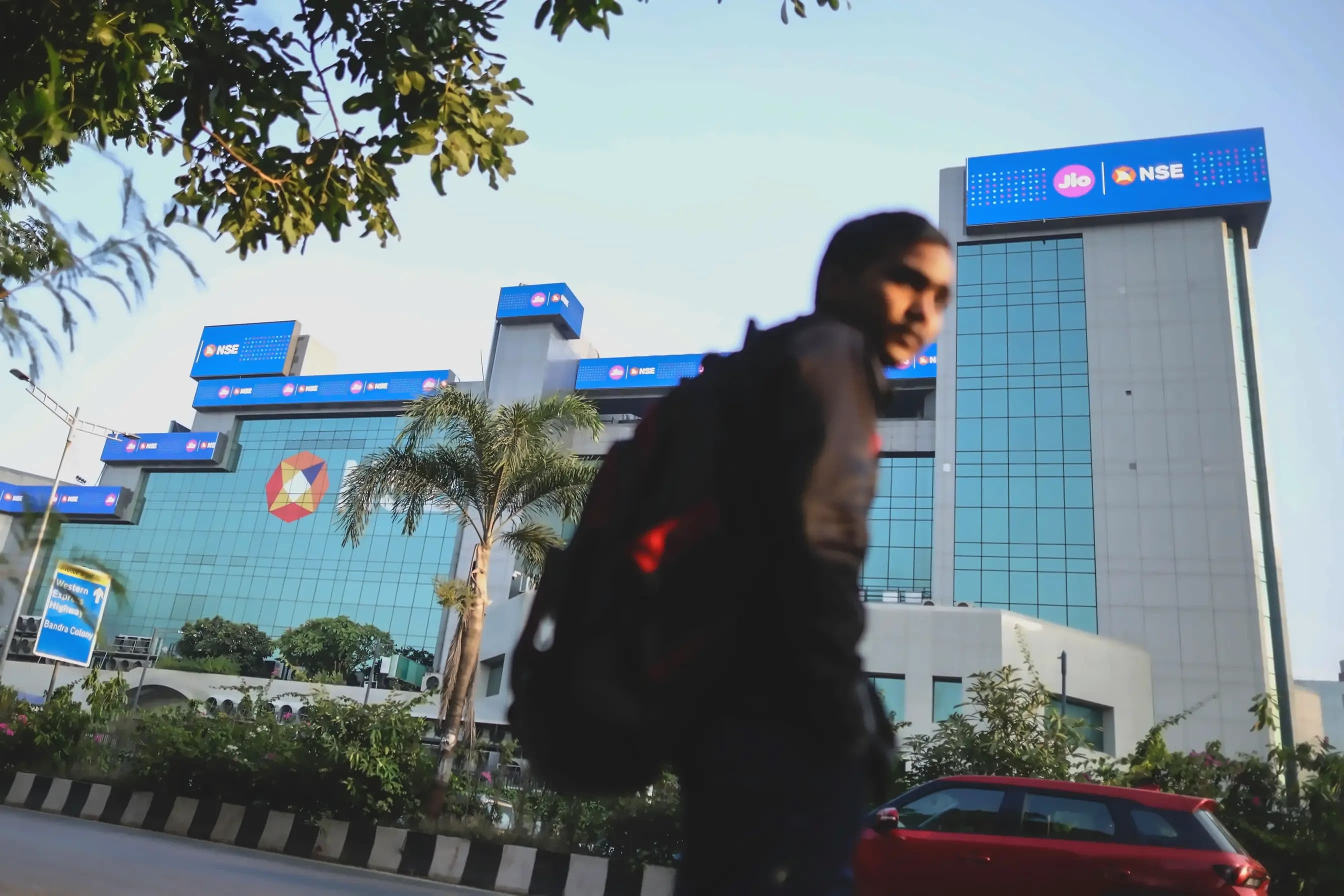
The recovery has been particularly beneficial for NSE, which went public in September and has rallied more than 40% from its October low, making it the world's fourth-largest exchange by market value. As reported by The Economic Times, smaller exchange BSE Ltd. saw options trading decline 5.6% in November after a 51% jump in October. Market strategists suggest that while some investors remain wary of the latest Indian rally, the worst of the derivatives volume shock is likely over, with revised closing-auction rules taking effect on December 7 expected to restore familiar settlement mechanisms. The new rules will restore a more familiar settlement mechanism, so expiring contracts will no longer depend on prices established solely through the auction, a feature that had kept market makers and proprietary firms away. According to Maurya Ghelani, a derivatives strategist at Kai Securities in Mumbai, "After everything that hit this market this year, simply getting traders back to the screen consistently would be a powerful recovery."