Indian equities extended their decline for a fourth consecutive session on May 12, 2026, with the BSE Sensex losing 893 points, or 1.17%, to reach 75,121.66 and the NSE Nifty 50 hitting an intraday low of 23,577.85, down 1%. According to latest reports, investors lost about ₹3.6 trillion during this widespread sell-off, with the total market value of all companies listed on the BSE falling to ₹462.98 trillion. The BSE MidCap index declined 2.56% and the SmallCap index slumped 2.95%, highlighting aggressive profit-booking across broader markets. Market breadth remained extremely weak, with more than 3,400 stocks ending lower against fewer than 900 gainers on the BSE, underlining the broad-based nature of the sell-off.
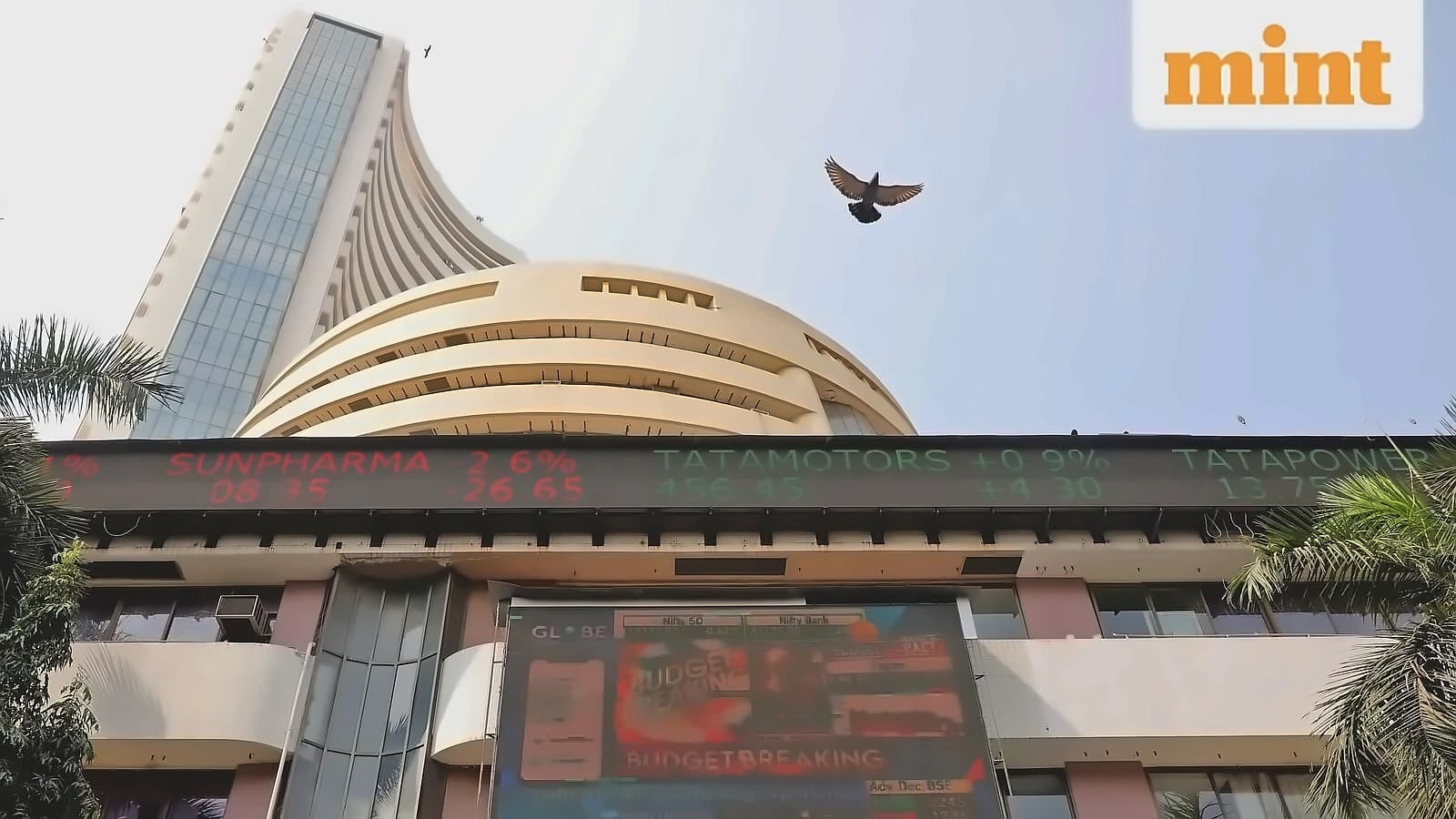
The latest market turbulence has been driven primarily by OpenAI's announcement of its new 'Deployment Company' aimed at building and deploying AI systems directly for businesses, which directly challenges the traditional IT services model. As reported by multiple sources, major IT companies such as TCS, Infosys, and Wipro saw their stock prices fall by 3-5%, pushing the Nifty IT index down over 3.5%. The Nifty IT index now trades at a P/E of about 19.96, suggesting a mature services sector rather than the high-growth valuations typical of US AI infrastructure companies. Analysts believe this move will increase competition and could lead to lower profits for Indian IT firms, as they will need to move from simply providing staff to developing their own AI solutions and services. The Nifty IT index slumped nearly 4% in previous sessions, making it the worst-performing sector amid concerns that clients remain uncertain about AI's final outcomes.
Brent crude trading around $105 per barrel has created major challenges for India, which imports about 85% of its oil. Increased US-Iran tensions near the Strait of Hormuz fueled ongoing supply worries, pushing Brent up 0.66% to $104.90. The Indian rupee has fallen 1.27% over the past month, reaching about ₹95.6 per dollar on May 12, 2026, reflecting persistent demand for the U.S. dollar amid rising oil import costs. Analysts estimate that every $10 increase per barrel in oil prices could widen India's current account deficit by 0.4-0.5% of GDP and raise inflation by 30-50 basis points. The Reserve Bank of India faces a difficult choice: fighting inflation with interest rate hikes could harm the country's already weak economic growth. Projections suggest that prolonged high oil prices could slow GDP growth by up to 0.7 percentage points and significantly reduce corporate earnings before interest, taxes, depreciation, and amortization (EBITDA) by 15-25%.
The sell-off has been worsened by consistent outflows from foreign institutional investors (FIIs), which have already exceeded ₹2 lakh crore this year. The ongoing FII outflows, already at record levels in 2026, signal a global shift away from riskier assets and a re-evaluation of emerging market stock values, especially given geopolitical instability and currency weakness. The India VIX climbed nearly 4% to 19.28, reflecting heightened uncertainty among traders and institutional investors. Market experts warn that unless crude prices stabilise and geopolitical tensions ease, emerging markets such as India could continue to face pressure from foreign fund outflows, currency weakness and rising input costs in the coming weeks. The short-term outlook remains cautious, heavily dependent on the future path of crude oil prices and the easing of geopolitical tensions.