Shares of major hospital companies rallied up to 4% on Friday following reports that the government has extended the 30% trade margin cap to all non-scheduled anti-cancer medicines, covering branded and generic, domestic and imported, patented and non-patented products. According to reports from CNBC TV18, Apollo Hospitals shares were trading 3.4% up at ₹7,926, Fortis Healthcare gained nearly 4% to ₹793.10, Manipal Health Enterprises advanced 3% to ₹703.95, and Aster DM Healthcare climbed 2.5% to ₹693.85. However, Healthcare Global Enterprises (HCG) was the outlier, falling around 5.2% to ₹605.70 after the company flagged concerns over the economics of supplying certain cancer drugs. The BSE Hospitals index was up 1.5% at 09:25 AM, significantly outperforming the BSE Sensex's 0.32% rise. The Economic Times reports that Fortis Healthcare gained over 5% to ₹805 per share, while Dr Agarwal's jumped 2% to ₹478, Apollo Hospital rose 4%, Manipal increased 3.5%, and Medanta climbed 3.1%. Max Health climbed over 4% to ₹915 per share.

The National Pharmaceutical Pricing Authority (NPPA) has approved in principle a proposal to cap trade margins at 30% on identified non-scheduled anti-cancer medicines under Paragraph 19 of the Drug Price Control Order, 2013. The Directorate General of Health Services (DGHS) is expected to submit a list of medicines to be covered by October 14. The move is expected to cover 110 non-scheduled cancer drugs, including branded, generic, domestic and imported drugs, with 35 of these being patented cancer medicines. According to CNBC TV18, the government estimates that trade mark-ups on non-scheduled anti-cancer drugs average around 170% and can reach as high as 700%. The policy extends the government's earlier trade-margin cap which applied to only select oncology drugs. The National Pharmaceutical Pricing Authority (NPPA) had capped trade margins on 42 non-scheduled anti-cancer drugs in 2019, which reduced maximum retail prices by up to 91% with reported annual savings of ₹984 crore across 526 brands. The government has confirmed that manufacturers' selling prices and revenues will remain unaffected, as the intervention targets margins across the distribution chain rather than the prices charged by manufacturers.
Following the cancer drug margin cap announcement, medical device industry players have sought discussions with the government to introduce trade margin rationalisation (TMR) for medical devices, calling for a uniform framework covering both imported and domestically manufactured products. According to Business Standard, domestic medtech manufacturers had asked the Department of Pharmaceuticals (DoP) and the NPPA to consult stakeholders on the framework, proposing that the policy be piloted on selected high-volume consumables, including intravenous (IV) sets and catheters. The demand came after Maharashtra Food and Drug Administration (FDA) Commissioner Tukaram Mundhe flagged mark-ups of nearly 1,000 per cent and wrote to the Centre on the issue. Rajiv Nath, forum coordinator at the Association of Indian Medical Device Industry (AIMED), noted that the design of the proposed policy would determine whether it delivers affordability without disadvantageous domestic manufacturers. An example illustrates the disparity: a domestic manufacturer selling a device at ₹100 with 5% GST would have a maximum retail price of ₹143 at 30% trade margin, while an importer with the same ₹100 landed cost and 30% gross margin would sell at ₹204 with an additional 30% trade margin, creating a 43% higher MRP for imported products.
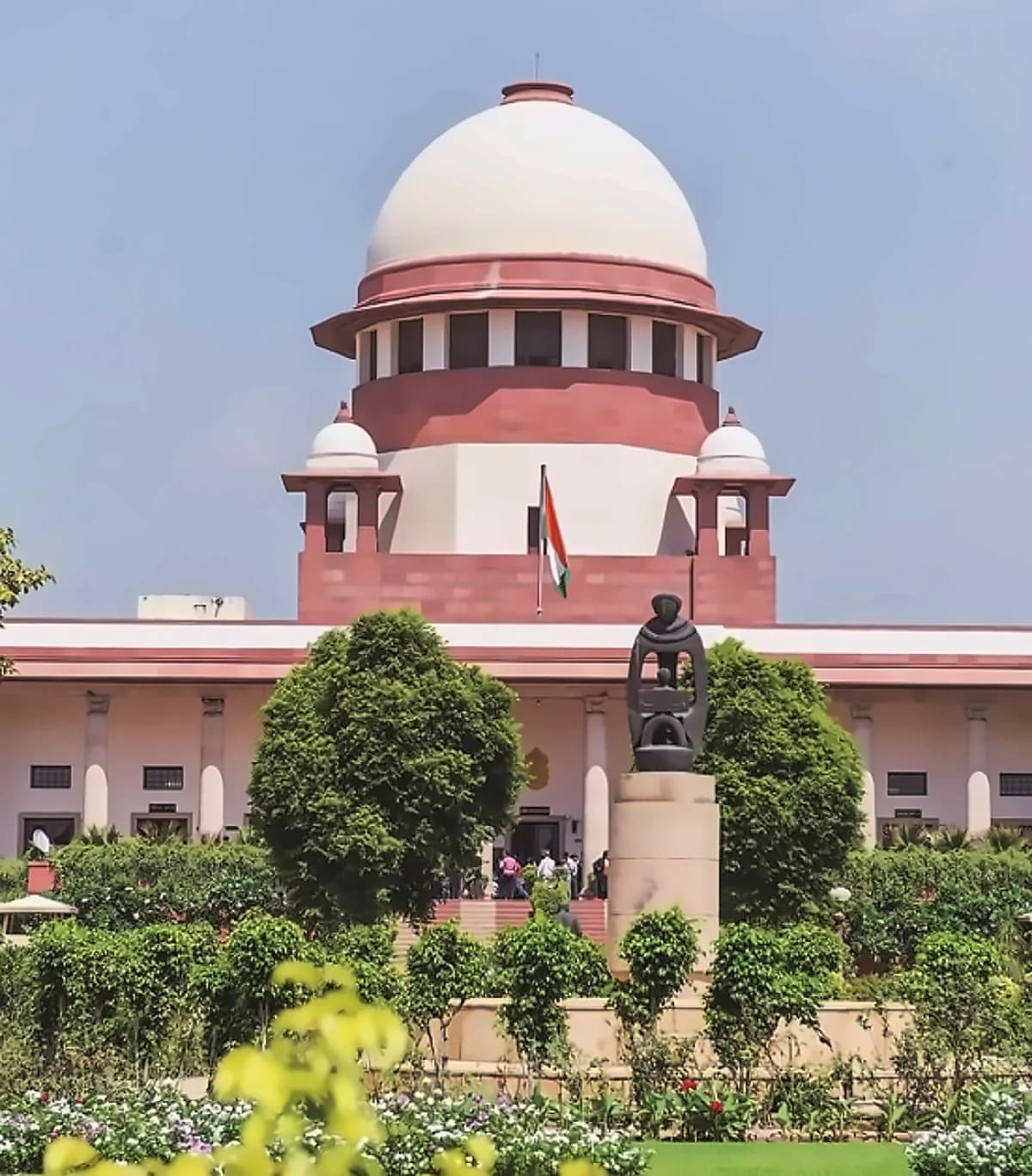
The regulatory decision comes after the Supreme Court questioned the tenfold gap between cancer medicine prices during a September 29 hearing, describing such markups as "broad daylight dacoity with patients" and questioning why the government could not limit the gap between retailer prices and consumer charges. As reported by CNBC TV18, the Supreme Court had recently questioned how a cancer drug bought by a retailer for around ₹2,700 could carry a maximum retail price (MRP) of nearly ₹27,000. The October 8 government decision to extend the 30% trade margin cap ahead of the October 12 hearing represents a significant escalation in regulatory intervention. According to Trilegal's Ashwin Sapra, the October 12 Supreme Court hearing will be crucial as the court is set to hear petitions challenging steep mark-ups on cancer drugs, with discussions around trade margins on medical devices and consumables remaining unresolved. The October 12 hearing could provide greater clarity on whether the government will be given more time to consult stakeholders and consider additional categories for price regulation. The court's position could influence the extent of government intervention in drug pricing, with Sapra noting that "if this is how the government is going to go forward, and they're going to keep on putting more and more drugs under trade margins with rationalisation of, say, 30%, I think the industry would need to take a concerted call."
Trilegal's Ashwin Sapra warns that the proposed 30% cap on cancer drug mark-ups could set a precedent for other medicines, urging policymakers to consult the entire healthcare supply chain before imposing isolated price controls that may disrupt the broader market. According to CNBC TV18, Sapra said the key question is whether the current move is a targeted intervention or part of a broader strategy to reduce drug prices across selected treatment categories. He noted that the government may seek more time from the court to study the range of drugs available in the market and consider bringing more non-scheduled formulations under price controls. Sapra cited the example of cardiac stents, whose prices were capped by the National Pharmaceutical Pricing Authority (NPPA), but said the overall cost to patients did not decline and instead increased. He emphasized that "an act of fixing prices in isolation is really going to have an effect elsewhere in the chain" and argued that policymakers need to assess the broader implications of price controls rather than focus on individual products. The process should involve drug importers, manufacturers, supply chain intermediaries, hospitals and patients, with hospitals potentially facing further financial pressure if government intervention eventually extends beyond cancer drugs to treatment charges and other services. Senior officials aware of the matter told Business Standard that margin capping could eventually be extended beyond cancer drugs to other non-scheduled formulations, medical consumables and devices.