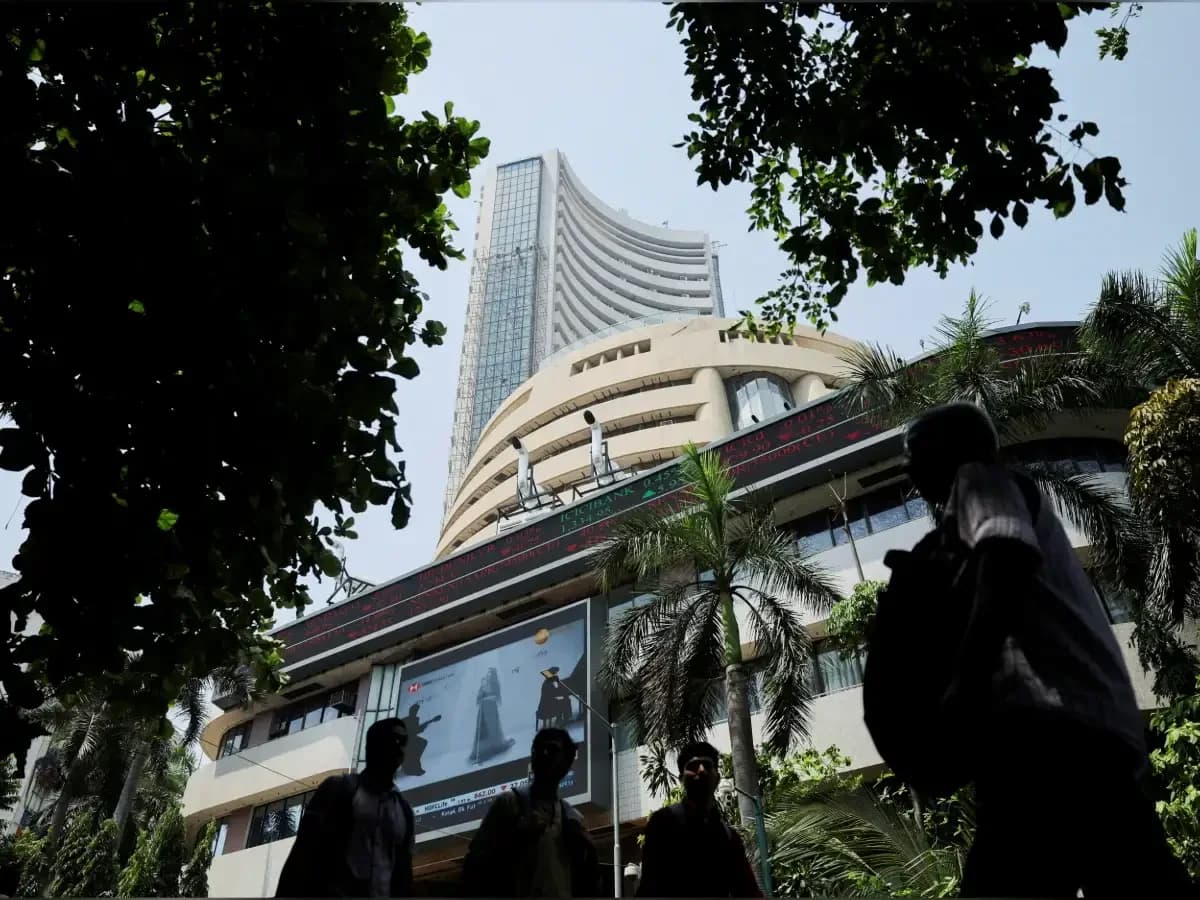
Goldman Sachs and BNP Paribas executed a significant divestment of BSE shares through bulk deals on Tuesday, selling a combined 68.33 lakh shares worth ₹2,186.44 crore ahead of the stock exchange operator's inclusion in the benchmark Nifty 50 index. According to NSE bulk-deal data, Goldman Sachs Investments Mauritius I Limited sold 23,81,571 BSE shares at ₹3,200 apiece, while BNP Paribas Financial Markets divested 44,51,693 shares at a weighted average price of ₹3,199.54 per share. The total sale represented approximately 1.67% of BSE's equity for the combined value of around ₹2,186.44 crore. These are disclosed bulk-deal transactions and do not represent the total trading activity in BSE shares during the session.
BSE's entry into the Nifty 50 follows a six-month average free-float market capitalisation of ₹1,40,879 crore, which was at least 1.5 times that of Wipro, the smallest constituent in the eligible universe. According to Axis Capital estimates, index funds could buy around 15.7 million BSE shares, translating into potential inflows of $657 million. The semi-annual rejig of the Nifty 50 constituents took effect on September 30, with BSE shares replacing Wipro in the flagship index. BSE started trading on the Nifty 50 index from Wednesday, marking the first time in nearly 10 years when BSE will trade on Nifty 50, with BSE shares replacing Wipro which will be excluded from the Nifty 50 for the first time since the index inception.
BSE shares experienced significant volatility following the major stake sale and Nifty 50 inclusion, with the stock falling 3.5% to ₹3,092 on Wednesday, surrendering all previous gains. According to NSE data, BSE was trading 3.03% lower at ₹3,103.10 per share at 2:30 PM on Wednesday, having touched an intraday high of ₹3,149 and a low of ₹3,075. The stock had previously hit its 52-week high of ₹4,446.80 on May 27, 2026, but at Tuesday's closing price of ₹3,200, BSE shares were around 28% below their 52-week high. Despite the bulk deal activity, BSE shares moved sharply higher during the session and hit the 10% upper circuit at ₹2,067.40 compared with the previous close of ₹1,879.50. In the previous session, BSE shares had rallied 3% ahead of the index adjustments.
BSE share price has been consolidating within the ₹3,075–3,308 range since mid-September, with technical indicators suggesting continued weakness. According to SBI Securities, the stock continues to trade below its key short- and long-term moving averages, indicating that the broader trend remains weak. The RSI has remained largely flat, suggesting a sideways bias, while the MACD line has also flattened and continues to remain below the zero line, reinforcing the prevailing lack of momentum. On the downside, the ₹3,050–3,060 zone is likely to act as an immediate support, and a decisive break below this level could trigger fresh selling pressure. On the upside, the ₹3,300–3,320 zone is expected to act as a key resistance area. My Advisor Alpha technical analyst Rajesh Bhosale notes that the stock remains below all key moving averages, indicating near-term weakness, with the stock potentially remaining under pressure until it decisively crosses ₹3,300.
On the buying side, UTI Mutual Fund acquired 27,12,950 BSE shares at ₹3,200 apiece, while Nippon India Mutual Fund purchased 25,29,550 shares at ₹3,200 per share. Together, the two mutual funds bought 52.43 lakh shares worth around ₹1,677.60 crore. The counter traded in the range of ₹3,100-₹3,200 on the NSE during Tuesday's session, with BSE shares posting a 21.77% gain for the year till date as per NSE data. The buy-side transactions involved two buyers and two sellers, with the two mutual funds accounting for 52,42,500 shares worth ₹1,677.60 crore. As per Trendlyne shareholding data, general retail investors continued to remain the largest shareholders in the company, with a cumulative stake of 54.4%, while DIIs and FIIs owned 24.2% and 21.3% respectively at the end of the June quarter.