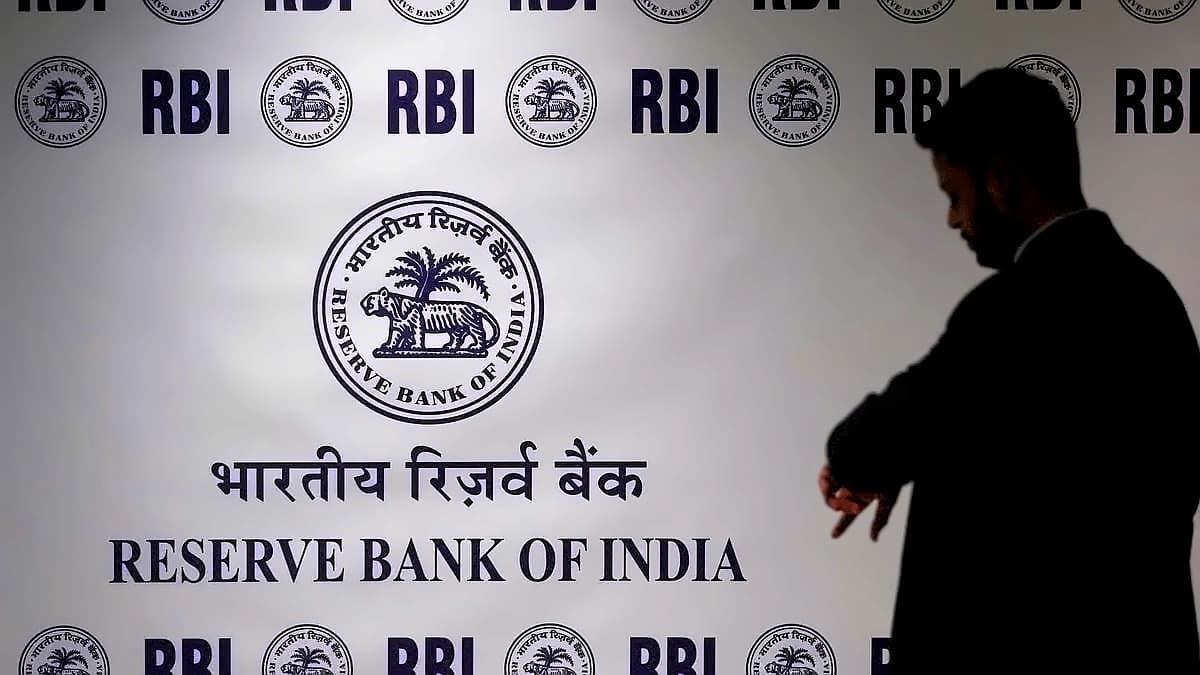
The RBI raised its key repo rate by 25 bps to 5.5% for the first time since February 2023, as sticky inflation and elevated global bond yields prompted the central bank to change its policy stance. The hike was unanimously agreed upon by all members of the Monetary Policy Committee (MPC), with the RBI governor explicitly stating that any rate cuts are off the table and that the committee will be considering rate hikes and pauses in coming policy meetings. Indian benchmark indices opened in red on Wednesday ahead of the policy outcome, with the NIFTY50 opening over 80 points lower and extending the fall in early hours, while the SENSEX opened nearly 200 points lower. However, after the RBI announced its policy outcome, the indices regained some ground and bounced back from intraday lows. Rate hikes in the past 15 years have shown that markets have reacted positively during periods of rate hikes, with historical data showing that NIFTY50 delivered 41% returns during the 2022-2023 rate hike cycle period.
October has delivered an average return of 3.0% in midterm years and finished higher 73.7% of the time going back to 1950, according to Carson Investment Research. This pattern is roughly a 3-in-4 historical win rate for two consecutive months right in the heart of Q4. November has been almost as strong, averaging 2.7% with a 78.9% win rate, creating a powerful seasonal tailwind for the fourth quarter. However, this year presents unique challenges as Treasury yields around 5.3% create a very different environment from prior midterm cycles. The latest market analysis suggests that November will see a second Russell realignment, with stocks added to the Russell 2000 and 1000 indices expected to surge from institutional buying pressure, similar to how Bloom Energy soared after being added to the S&P 500 last month.
Global geopolitical tensions, elevated oil prices and the prospect of further US rate hikes could keep equity positions in India under pressure in October, according to a report from OmniScience Capital. The report maintained that the September sell-off was not India-centric and that investors should watch the Reserve Bank of India monetary policy committee meeting, interest-rate trajectory and liquidity conditions as key domestic triggers. The biggest challenge to the bullish seasonal setup is the bond market, with Treasury yields around 5.3% creating pressure on equity multiples, particularly affecting growth and technology stocks. However, recent developments show multiple positive catalysts converging, including quarter-end window dressing, seasonal strength, anticipation of third-quarter announcements, positive analyst earnings revisions, and confirmation from Fed officials that the FOMC will not hike key interest rates at its October meeting. A rate hike is largely seen as a sentiment dampener for the economy as borrowing costs increase, followed by curtailed credit growth and slower expansion in economic activity, with heightened borrowing costs impacting overall margins of companies and thereafter profits.

Navratri, Dussehra and Durga Puja related festive consumption could spike positive sentiment for the markets domestically or at least for consumption-related stocks, including consumer staples, consumer durables and automobiles, as reported by OmniScience Capital. Related positive opportunities are likely for financial services companies, including banks and NBFCs which are active in consumer financing, while housing finance could also see demand spiking during the festive period. The contrast between volatility and performance is especially striking in midterm years, where investors remember crash sessions far more vividly than the recovery that follows. Recent analysis suggests that an "early January effect" is expected in November that will set the stage for a potentially even stronger January effect in the New Year, with investor optimism rising since 2027 is the third year of a Presidential election cycle, which is the best-performing year for the S&P 500 during the Presidential election cycle.
The report flagged that ongoing US-Iran war is likely to continue in October and probably even escalate further, which could keep crude oil elevated. The war could sustain US inflation concerns and raise the likelihood of further Federal Reserve hikes, supporting high bond yields and discouraging equity additions. However, investors should consider the possibility that US-Iran reach some kind of ceasefire deal just before mid-term elections in the US, which is likely to push bond yields lower and equity markets higher across the board. Recent developments show that after the mid-term elections, all the bickering about data centers and high energy prices will diminish, with the data center narrative being seeded by Chinese bots planting false stories that were designed to hinder America since the U.S. is winning the AI race.
The report also noted that AI-led earnings concentration in Taiwan and Korea drew some emerging market funds away from fairly valued Indian stocks, creating a rotation that affected foreign investor flows into India. Despite these challenges, the report suggested that equities should probably be slightly overweight, tactically, compared to their long-term strategic allocation framework because of markets being undervalued. The market already entered Q4 with strong gains behind it, raising questions about how much of the normal post-election optimism may already be priced in. Recent analysis indicates that the AI race is being won by the U.S. with China in a distant second position, which could support domestic market sentiment. Markets may absorb the higher borrowing costs and perform well, in line with the historical trend, if earnings growth remains intact and global uncertainty subsides in coming months, though historical instances may not provide a true picture for the future.
From a mid-term perspective of 3-5 years, Indian banks, both PSU and private look attractive, according to the report. Power companies from mid-term demand perspective driven by EVs, Railways and most importantly AI data centers, housing finance companies, infrastructure and EPC companies, and logistics and business services companies look attractive from a mid-term perspective. The report emphasized that these sectors offer attractive opportunities for long-term investors despite current market pressures. The real question for Q4 is not simply whether history repeats, but whether 70% seasonality can beat 5.3% yields. If Treasury yields stabilize or start to fall, the historical October-November tailwind has room to work, but if yields continue climbing, the bond market could overpower even one of the strongest seasonal periods on the calendar. Recent market conditions suggest that we are in the midst of economic nirvana, with a series of positive events converging to propel fundamentally superior stocks higher.