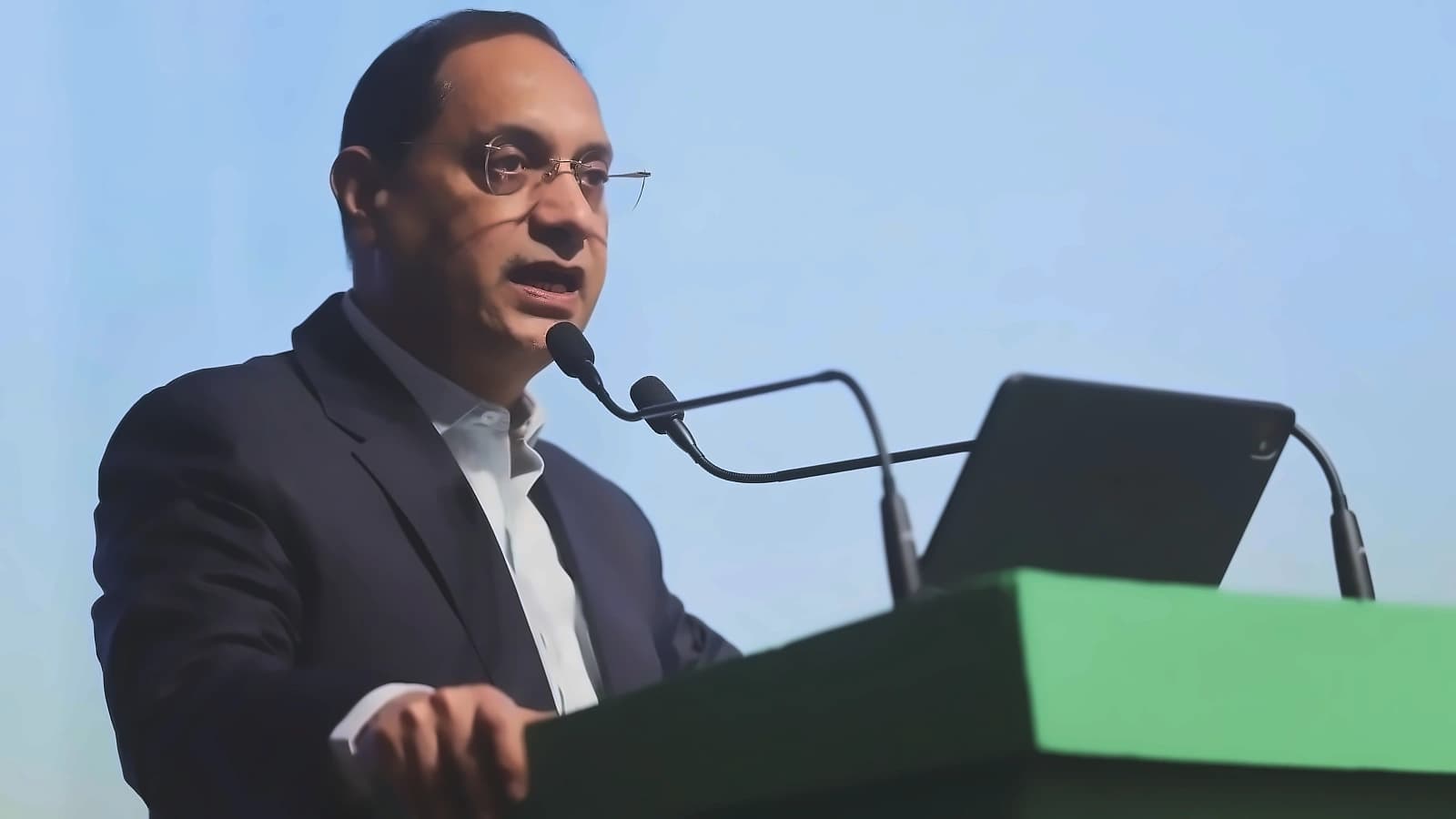
Foreign institutional investors (FIIs) are unlikely to return to Indian equities soon due to structural and cyclical forces, according to Yes Securities Executive Director Amar K Ambani. Speaking at the firm's flagship investor conference, Ambani outlined several factors pushing global capital away from India. Returns in dollar terms have been modest, the rupee has steadily depreciated, and the Magnificent Seven US tech stocks delivered outsized gains that made India look pedestrian. The AI revolution has added a new layer to this skepticism, with global funds increasingly viewing India as an 'old economy' market that lacks the AI-native growth stories available in the US, Taiwan, and South Korea. As Ambani noted, 'That is where the money is going right now.'

Despite continued foreign portfolio outflows from Indian equities, global investors are increasingly viewing India as a 'no longer optional' market for long-term investment. According to Mint reports, Sundeep Sikka, managing director and CEO of Nippon Life India Asset Management, emphasized that while global investors may be in a temporary 'wait-and-watch' mood, India is clearly not a market they can afford to overlook. Stefan Hoops, member of the management board at Deutsche Bank AG and chief executive of DWS, reinforced this sentiment, stating that overseas investors increasingly want a seat at the table when it comes to India's growth story and do not want to miss the next phase of expansion.
The broader market has significantly outperformed large-caps over the past five years, with the Nifty Midcap 100 surging 141.8% and the Nifty Smallcap 250 rallying 114.7%, compared to the Nifty 50's 57.1% climb. As reported by Mint, investors are increasingly drawn to long-term durable themes rather than temporary innovations. Hoops pointed to growing interest beyond large-caps, particularly in emerging small- and mid-cap businesses and unlisted opportunities, areas investors are expected to access through the AIF (alternative investment funds) route under the Nippon-DWS joint venture. However, midcap and smallcap players may navigate the AI transition more nimbly than large-cap incumbents, though Ambani noted the majors will eventually adapt.
DWS agreed to acquire a 40% stake in Nippon Life India AIF Management in November, with the partnership extending beyond alternatives to focus on offshore ETFs. According to Mint reports, Sikka stated the larger objective is to create a broader investment platform spanning listed and unlisted opportunities, private assets and high-yield debt, while also enabling capital flows in both countries over time. The partnership could open up greater access for Indian investors to DWS's suite of global and government ETFs through its international network.
Hoops highlighted that the attraction for investors extends beyond corporate India to the country's infrastructure buildout, with global investors convinced India will continue investing heavily in infrastructure, backed by clear government intent. As reported by Mint, he noted that India is increasingly being viewed as a 'standalone investment case' that global investors need to understand better, though he believes current global understanding of the country still lags its growing economic relevance. The idea is to gain exposure to businesses and sectors that may not yet be represented in public markets but could become key beneficiaries of India's long-term growth story.