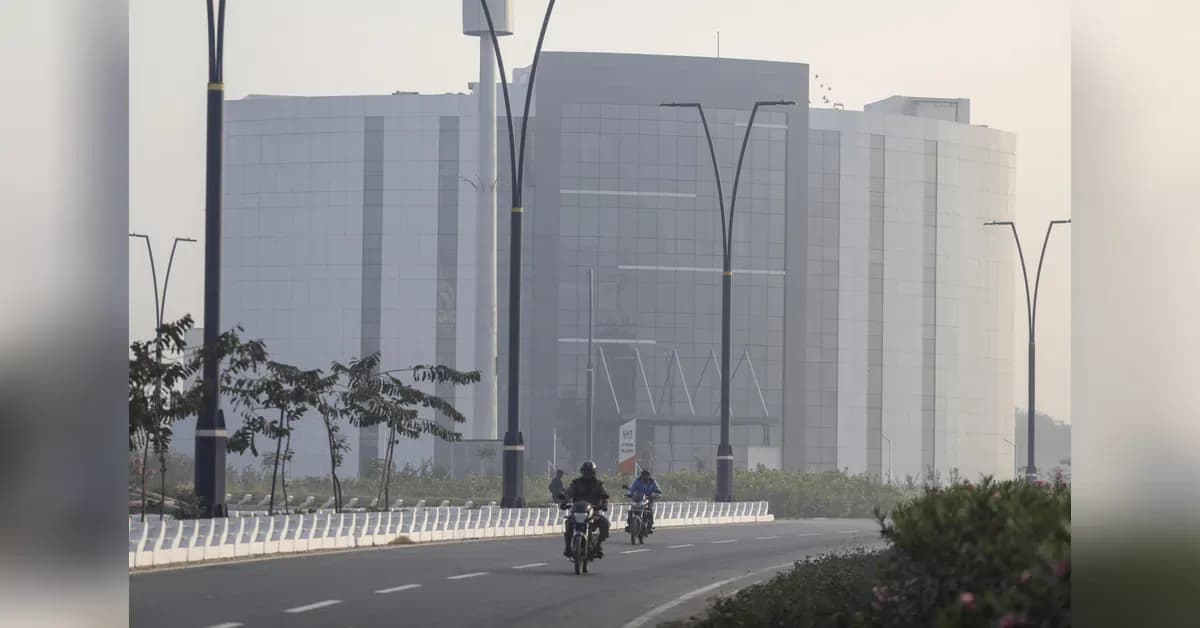
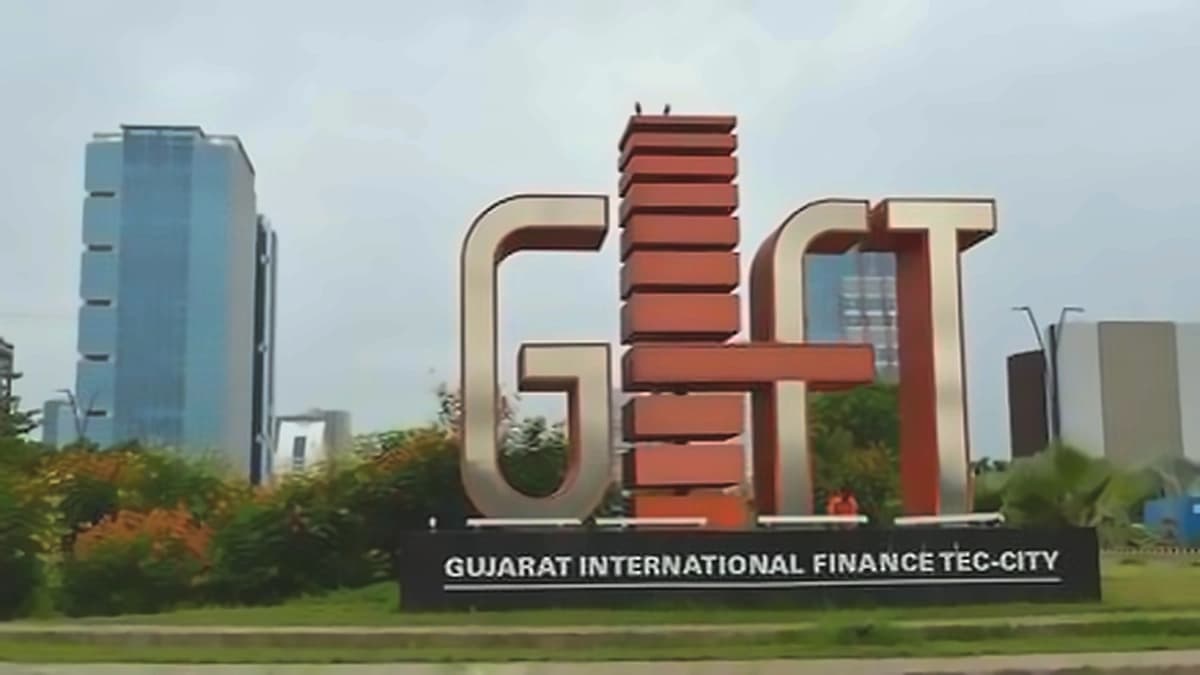
Plans to allow listed Indian companies to raise capital from global investors through dual listing at GIFT City are gaining significant momentum, with the Securities and Exchange Board of India (Sebi) and International Financial Services Centres Authority (IFSCA) holding multiple meetings last month to work out the contours of the framework. According to reports from Business Standard, these discussions, which began more than two years ago, are now focusing on key modalities including potential changes to Sebi regulations governing listing, insider trading, buybacks and takeovers. The committee discussing the measures includes members of both regulators and market infrastructure institutions.
As reported by Business Standard, companies may be allowed to raise capital from non-residents and other global investors in dollar denominations, while domestic investors may not be allowed to trade in these securities listed on international exchanges at GIFT City. However, Sebi has raised several concerns including price variations and minimum public float requirements. Legal experts note that Indian listed companies are required to maintain at least 25% minimum public shareholding under the domestic framework, but shares held by investors on the IFSC platform may not count toward this domestic threshold.
According to Business Standard reports, authorities are examining how capital raised will be monitored, with custodians at GIFT City likely to play a key role. Other areas under consideration include minimum public float, currency fluctuations, depth of investor participation and tax implications. Legal experts emphasize that Sebi's regulations may take primacy as companies are already listed on domestic exchanges, requiring robust data sharing between both regulators along with strong surveillance to cover trading activity on both platforms. Tax-related matters fall outside Sebi's purview and will need clarification by the government at GIFT-IFSC.
Last month, the IFSCA proposed allowing companies to list their equity shares directly on stock exchanges in GIFT City without any public offer, as reported by Business Standard. Under the draft framework, issuers not listed in India or abroad can list directly if they meet at least one of three financial criteria: minimum operating revenue of $20 million, pre-tax profit of $1 million, or post-listing market capitalisation of $50 million. Currently, US-based Tryfacta Inc is awaiting approval from the IFSCA for its IPO, estimated at $100-150 million. The first IPO at GIFT City, that of XED Executive Development, launched in March but was withdrawn due to low subscriptions.

The development comes as global markets are witnessing significant digital transformation initiatives. London Stock Exchange Group announced a parallel partnership with Payward, the parent of crypto exchange Kraken, to bring the 100 largest London-listed companies onto Payward's xStocks tokenization framework and, subject to regulatory approval, to list and trade those xStocks on LSEG's new 24-hour venue LSE 24 beginning in 2027. The partnership will explore natively LSE-issued equity tokens that would be fully fungible with traditional shares and carry the same shareholder rights. This global push toward digital securities and tokenization frameworks provides additional context for the GIFT City dual-listing initiative as international markets increasingly embrace digital asset infrastructure.