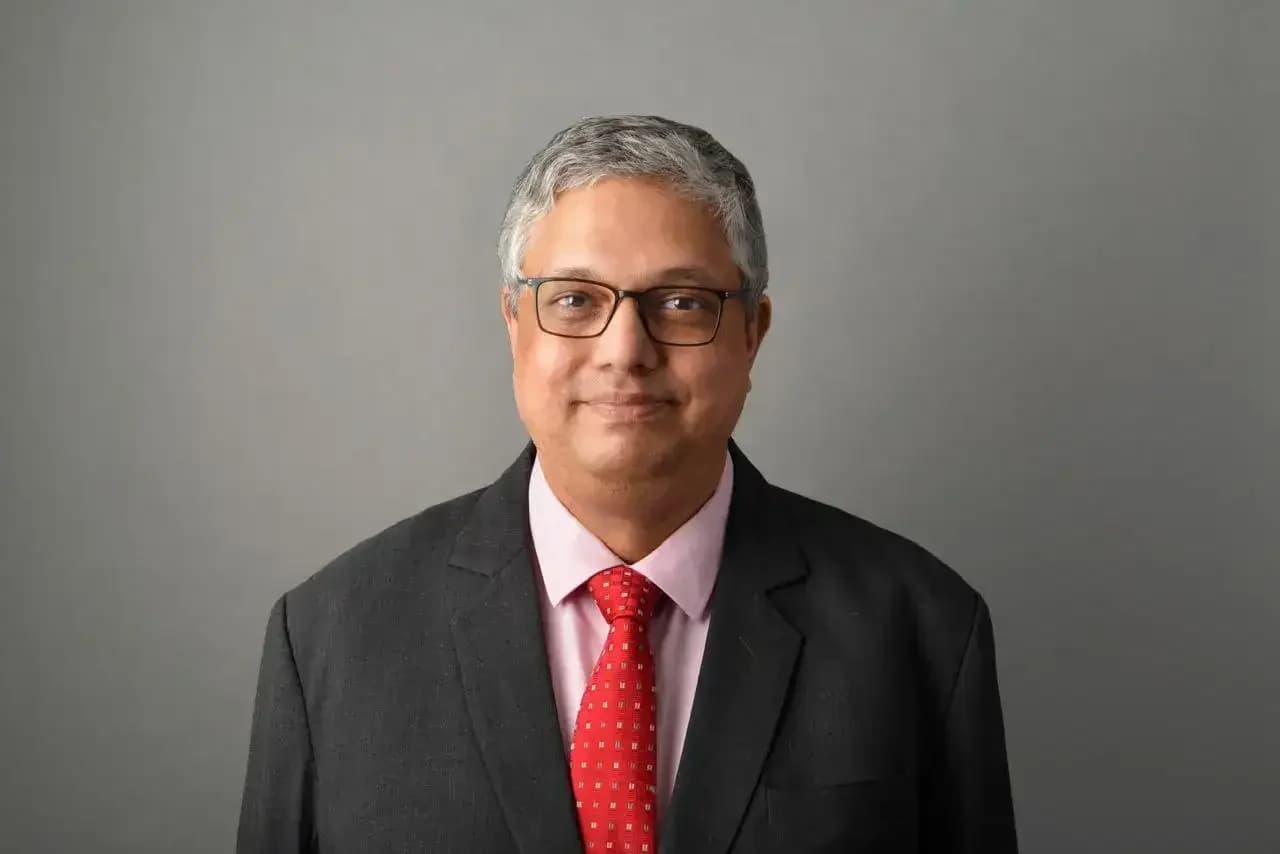
Anand Shah, CIO of PMS & AIF at ICICI Prudential AMC, warns of cracks emerging in the artificial intelligence investment boom as revenue generation fails to keep pace with spending on infrastructure. According to CNBC TV18, Shah noted that "Today, the boom is in AI investment. We are not seeing a big boom in terms of revenue." He pointed to pressure on companies supplying AI infrastructure, including chip manufacturers and businesses benefiting from electrification, alongside revenue concerns among AI companies. Shah said the emerging weakness challenged the broader narrative that a massive AI build-out would eventually disrupt and wipe out several other industries.
Gary Marcus, American cognitive scientist and entrepreneur, has emerged as one of the world's most widely recognised critics of current generative-AI hype, warning of potential financial contagion. As reported by The Economic Times, Marcus compared the current climate to WeWork's disastrous decline, suggesting that Microsoft might pick up OpenAI at a bargain. He warned that the fall of even one major AI company could lead to a contagion effect and create a 2008-like crisis. Marcus called for "recall" of autonomous AI agents, arguing they are dangerous and unsafe, while predicting that OpenAI could possibly struggle to justify its spending and eventually fail to secure the public listing it hopes for. He suggested Microsoft could acquire OpenAI for $200 billion rather than the $1 trillion valuation the company might seek in an IPO.
Arvind Sanger, Managing Partner at Geosphere Capital Management, advises that the AI investment theme remains intact but requires selective investment amid current market consolidation. According to CNBC TV18, Sanger expects investors to get greater clarity after the US midterm elections, particularly around AI infrastructure and semiconductor demand. He identifies opportunities beyond the AI theme, including specialised IT services, financial companies, and domestic demand businesses in India. Despite elevated valuations in mid- and small-cap segments, Sanger believes IPO-related liquidity absorption is creating stock-specific opportunities.

Despite AI concerns, ICICI Prudential AMC has started increasing its exposure to IT stocks after remaining underweight for a prolonged period, though the fund house will remain marginally underweight for now. As reported by CNBC TV18, Shah sees potential opportunities for Indian IT services companies as businesses move towards integrating AI into their operations. IT companies had been cutting prices and passing on a significant part of the benefits from AI to customers while still managing their top line. As companies seek to integrate AI into their systems, IT services providers could benefit from the implementation work, with Shah noting that "The next leg is when we will gain the confidence to increase our weightages."
Shah remains overweight on manufacturing across large-, mid- and small-cap stocks, pointing to improving earnings and a changing competitive environment for Indian businesses. According to CNBC TV18, Shah said Indian manufacturers had faced pressure from Chinese competition for 15-20 years, but the situation was changing at the margin. Metals offered another indication of opportunity, with earnings growth of more than 30% over the previous few quarters, alongside strong cash-flow generation. He highlighted that rupee depreciation against the Chinese yuan had created a tailwind for Indian manufacturers competing with China, while making Chinese goods and raw materials more expensive for Indian buyers.