The Indian rupee has hit a fresh record low of 96.05 against the US dollar, marking a significant escalation from previous levels. According to Business Today, the rupee weakened 0.3% to 96.05 against the dollar, crossing its previous all-time low of 95.9575 touched in the previous session. This sharp depreciation comes amid rising crude oil prices, high US bond yields, and a stronger US dollar amid geopolitical tensions, raising serious concerns over inflation, import costs, and pressure on India's external finances. In response to these mounting pressures, the Government of India and RBI are considering reducing or even eliminating withholding tax for forex management to attract foreign capital inflows. The rupee's decline represents a continuation of the currency's weakness, which has been compounded by Foreign Portfolio Investors selling equity worth ₹2.2 trillion up to May 14th, 2026, adding to the ₹1.66 trillion net selling in the previous year. Global markets remain volatile over the Iran crisis, with analysts warning that higher energy prices could further weaken the currency in the coming weeks. As reported by The Pioneer, experts say India is currently among the weakest-performing Asian currencies as foreign investors reassess risks in emerging markets.
Foreign Portfolio Investors have net sold equity worth ₹2.2 trillion up to May 14th, 2026, adding to the ₹1.66 trillion net selling in the previous year. According to the Financial Times, this massive outflow represents the sharpest capital outflow since India opened its markets to global investors in 1993, highlighting the severity of the current crisis. As reported by Business Standard, this massive outflow has been depreciating the rupee, creating a vicious cycle that has made the rupee one of the worst-performing emerging market currencies globally. The RBI's forex reserves reportedly declined during this period, highlighting the urgency of policy interventions. Currently, foreign investors pay around 20% tax on gross income with losses not adjustable against gains, which reduces the attractiveness of Indian debt markets. Senior policymakers believe easing tax-related friction may improve India's appeal to foreign investors, with proposals under discussion to reduce or eliminate withholding taxes for forex management.
The government has implemented petrol and diesel price increases of ₹3 per litre and CNG price hikes of ₹2 per kg, effective from May 15th. According to reports from Business Standard, oil marketing companies require much larger price hikes to achieve break-even levels, suggesting further increases are likely. The excise duty cut on petrol and diesel by ₹10 per litre will result in a revenue shortfall of approximately ₹1.5 trillion. The fertiliser subsidy burden is expected to rise due to higher input costs, while corporate tax and dividends from oil marketing companies will be minimal this year. According to The Pioneer, the fall in rupee could increase imported inflation and pressure corporate earnings, especially for oil-dependent sectors, though export-oriented industries may gain some benefit from the weaker currency.
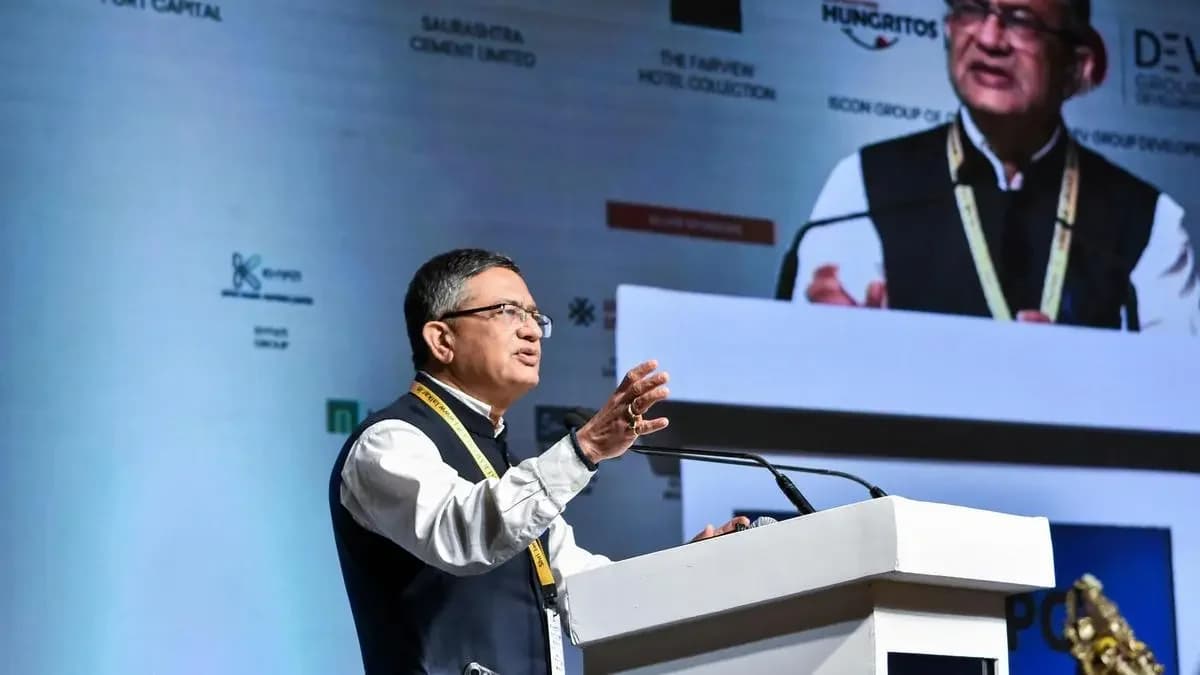
According to Business Standard, India is facing what Chief Economic Advisor Anantha Nageswaran calls a 'live Balance of Payments stress test,' which will impact CAD, rupee, and inflation. The fiscal deficit in FY27 will be significantly higher than the budgeted target of 4.3%, with the potential to reach 5% of GDP. The cut in excise duty on petroleum products will result in substantial revenue shortfall, while fertiliser subsidy costs are rising due to higher input prices. The government's fiscal consolidation programme after the Covid shock faces potential impairment from these developments, with policymakers currently rejecting similar schemes due to changing global conditions and associated risks. As reported by The Pioneer, while the Reserve Bank of India may step in to control volatility, continued global uncertainty could keep the rupee under pressure in the near term.
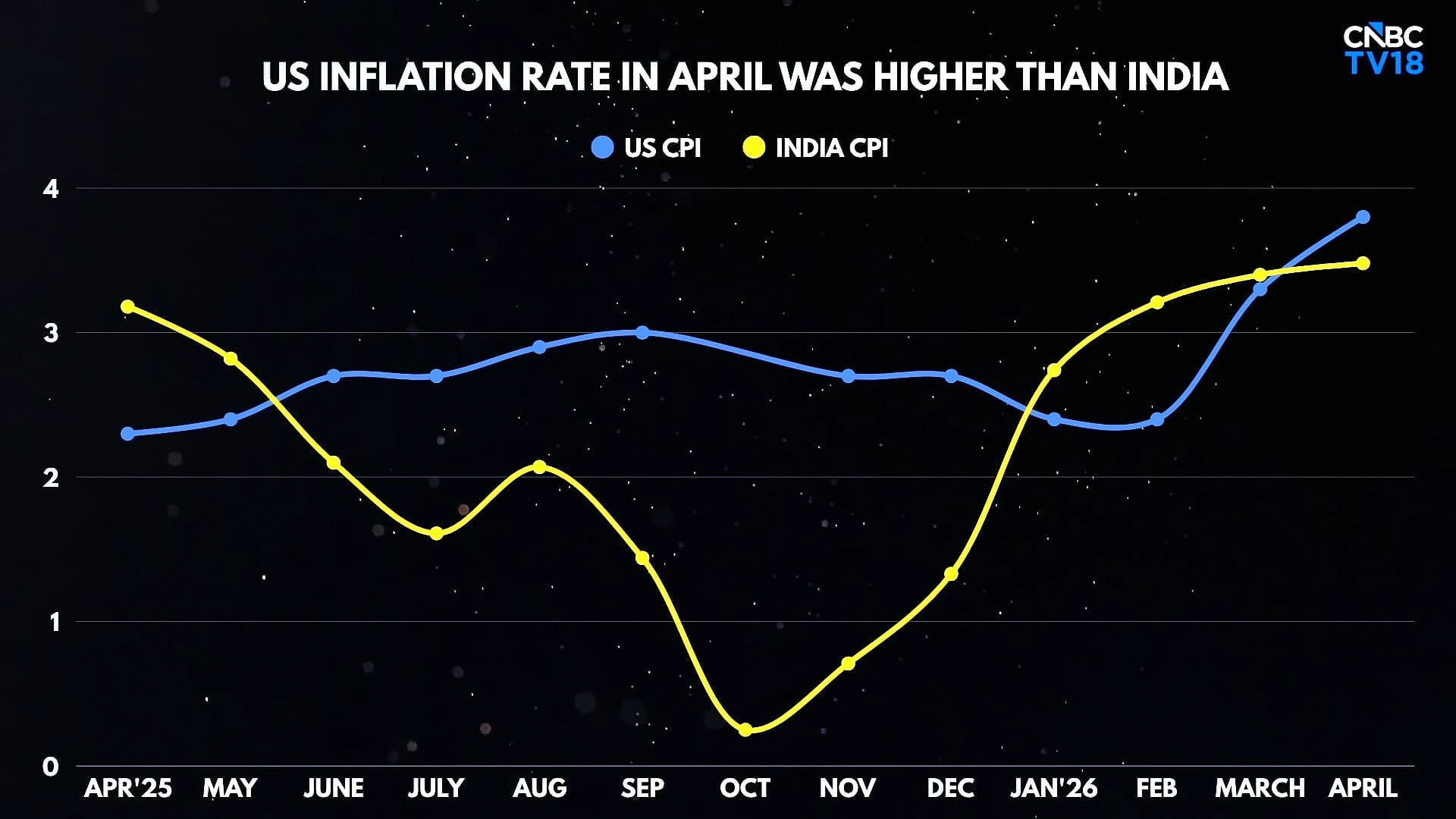
As reported by Business Standard, if crude prices remain elevated for an extended period, trade and current account deficits will further widen, impacting the rupee more significantly. The April CPI inflation print came at 3.48%, which is within the RBI's tolerance band, though inflationary expectations are rising. The 10-year US bond yield has risen to 4.6%, making EM equities less attractive, particularly when their currencies are depreciating. Market momentum is clearly with performing markets like the US, Japan, South Korea, and Taiwan, where earnings growth expectations remain much higher than in India. The current record low of 96.05 against the dollar reflects these mounting pressures on the Indian economy, with policymakers actively considering measures to stabilize the currency and attract foreign capital.