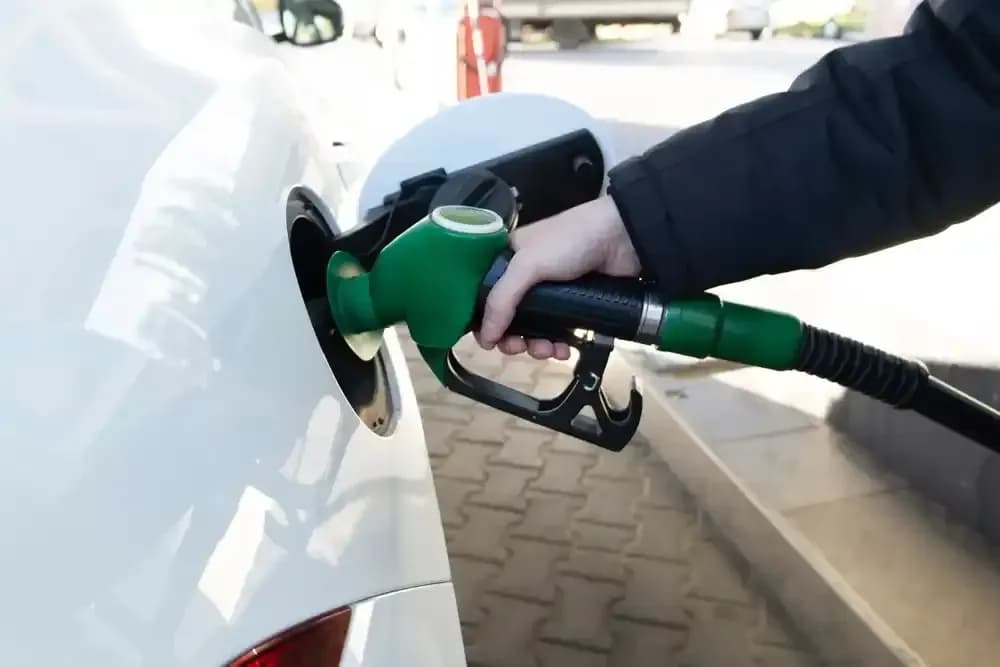
Fuel prices witnessed their second hike in a week, with petrol and diesel increasing by around 90 paise per litre across major metros. According to the latest data, Delhi petrol climbed by ₹0.87 to ₹98.64 per litre while diesel rose by ₹0.91 to ₹91.58 per litre. Mumbai saw petrol prices touch ₹107.59 per litre and diesel reach ₹94.08 per litre after increases of ₹0.91 and ₹0.94 respectively. Kolkata recorded the steepest petrol hike of ₹0.96 to ₹109.70 per litre, making it the costliest among metros, while diesel there rose to ₹96.07 per litre. The fresh revision follows an earlier ₹3 per litre hike announced just days ago, indicating sustained pressure on domestic fuel pricing.
Union Petroleum Minister Hardeep Singh Puri recently warned that state-run fuel retailers could collectively face losses of nearly ₹1 lakh crore in a single quarter if fuel prices were not revised. According to estimates, oil marketing companies including Indian Oil Corporation, Bharat Petroleum Corporation Limited and Hindustan Petroleum Corporation Limited are reportedly losing around ₹1,000 crore every day due to the widening gap between international crude prices and domestic retail rates. The India's crude basket, which averaged nearly $69 per barrel earlier this year, has surged to around $113-114 per barrel amid the ongoing West Asia conflict. Since India imports nearly 90% of its crude oil requirements, fluctuations in international oil prices directly affect domestic fuel rates. India raised petrol and diesel prices by about ₹0.90 per litre to offset rising global crude oil costs, with the revision reflecting continued pressure from volatile international oil markets.
With the Iran war nearing its third month, investors are waking up to the worry that the conflict may deliver a lasting inflationary shock, with sovereign bond yields racing to decade highs and threatening a severe hit to the spending power of governments, businesses and households. According to Reuters, G7 finance ministers acknowledged mounting concern over public debt and bond market volatility as they met in Paris on Monday and sought common ground on tackling global economic tensions. The average rate at which governments in the G7 nations pay to borrow for 10 years is approaching 4%, up from around 3.2% before the war started in late February. Market sentiment remained fragile on Tuesday even after U.S. President Donald Trump claimed he had paused a planned attack against Iran and that there was now a 'very good chance' of reaching a deal limiting Tehran's nuclear programme, sending oil prices falling though remaining more than 50% above their levels prior to the Middle East war.
The cumulative fuel price hike of ₹3.90 per litre in recent days due to the West Asia war is creating significant headwinds for consumption-focused stocks. According to reports from Business Standard, the Nifty India Consumption index has declined around 8% versus the Nifty 50's near 10% fall thus far in calendar year 2026. Consumer sector stocks including *ITC, Maruti Suzuki, Godrej Consumer Products, Mahindra & Mahindra, Interglobe Aviation, The Indian Hotels Company, Britannia Industries, United Spirits, Asian Paints and Hindustan Unilever (HUL) have slipped up to 23% during this period, as per ACE Equity data. Companies have already begun implementing price increases to offset rising input costs, with Amul and Mother Dairy hiking milk prices by ₹2 per litre on May 13, while Modern Bread increased rates by ₹5 per pack on basic variants last week.
According to G Chokkalingam, founder and head of research at Equinomics Research, if the West Asia war and Strait of Hormuz stalemate continue for another quarter, inflation may become a structural issue rather than a transitory problem. As reported by Business Standard, he warned that companies may fully pass on the rise in input costs to consumers, which could cause demand destruction. The repeated fuel price hikes are expected to have a cascading impact on inflation while higher petrol and diesel prices increase transportation and logistics costs, eventually making essential commodities, food items and consumer goods more expensive. Public transport fares, cab services and freight charges may also witness upward revisions in the coming weeks, with small businesses and middle-class households likely to bear the brunt as fuel expenses continue to climb.