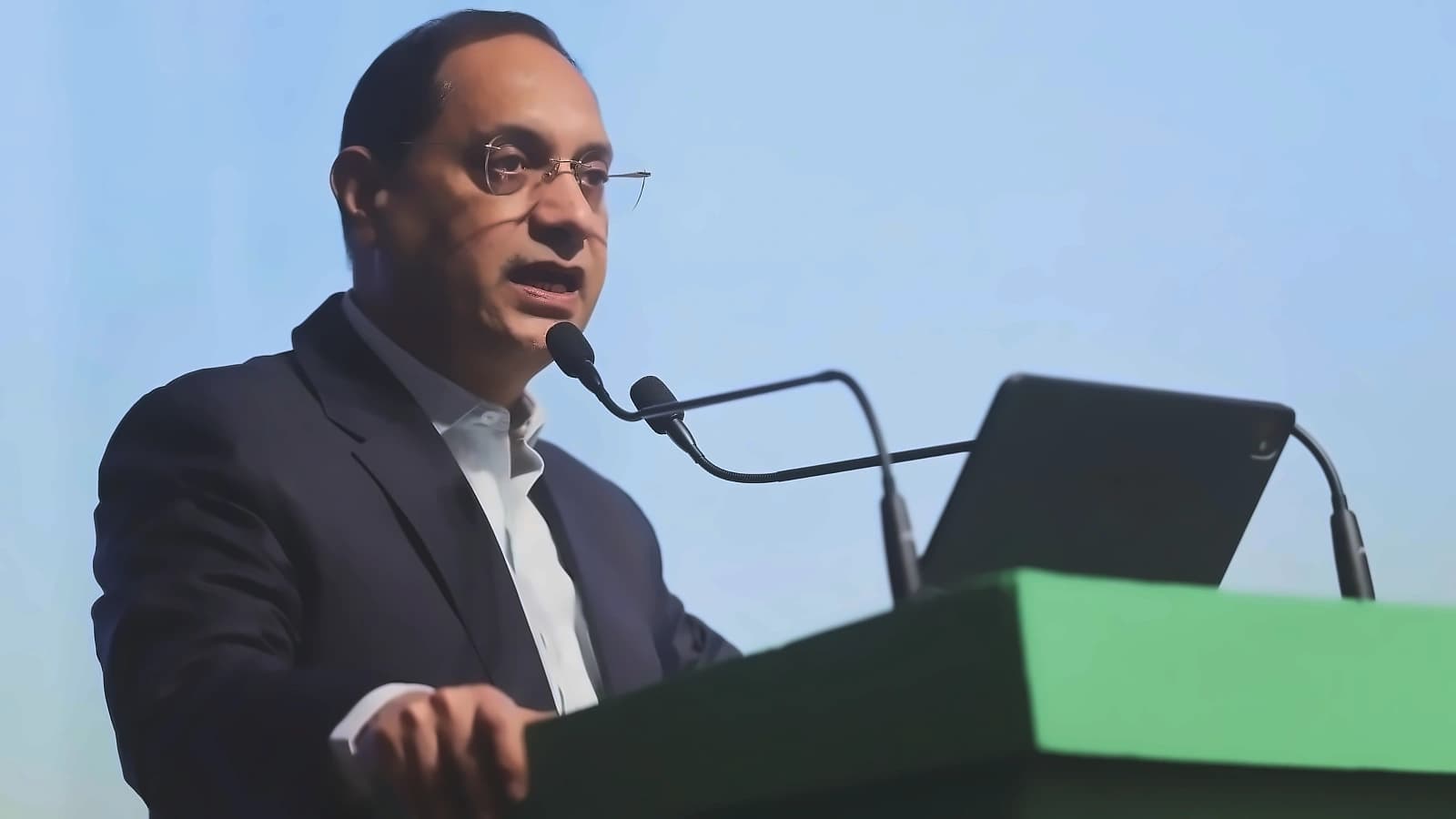
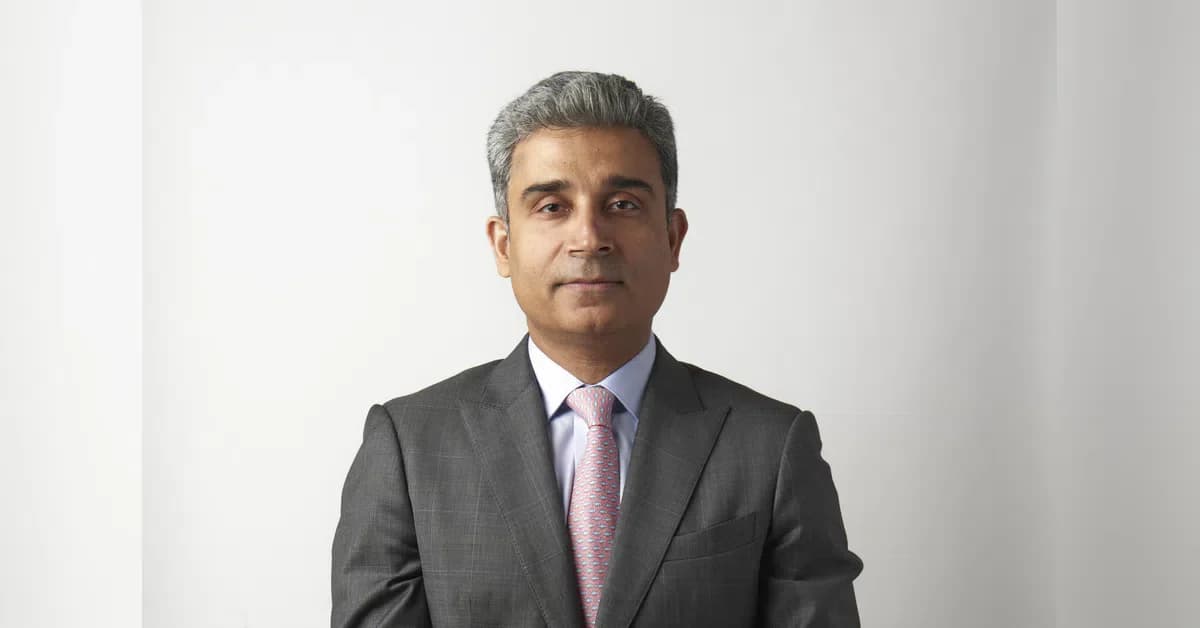
According to reports from ANI, Raamdeo Agrawal, Chairman of Motilal Oswal Financial Services, believes foreign investors are beginning to turn more positive on India after months of sustained selling. Speaking to news agency ANI, Agrawal said that equities are now 'probably oversold' and that a large amount of foreign portfolio investor (FPI) capital had already left India over the past two years, making the recent shift in sentiment noteworthy. He noted that the trend has started to change over the past week with a reversal of trend where FIIs are actually looking at India more favourably. However, he warned that geopolitical uncertainties and elevated oil prices continue to cloud the outlook.
As reported by ANI, Agrawal identified automotive and manufacturing sectors as leading growth drivers for the Indian corporate sector. He highlighted that July automotive volumes are up between 20% to 50% by major producers, demonstrating strong momentum in the sector. The June GST collection increased 15.5% despite rate slab cuts from 28% to 18%, indicating robust economic activity. According to Agrawal, credit flow stands at approximately 18%, reflecting healthy economic conditions across the country. He emphasized that the domestic economy is booming with a good pickup, though the forex situation remains dicey due to high oil prices and geopolitical tensions.
According to LiveMint research data, the Indian stock market has demonstrated resilience despite various challenges. The Nifty 50 gained 2.2% in July, marking the second consecutive month of gains, with the Nifty Midcap 100 rising 1.8% and the Nifty Smallcap 100 outperforming at 2.5% for the month. However, the Nifty 50 is down nearly 7% year-to-date, though it has posted gains in three out of the last four months. Agrawal acknowledged that while India is performing well, the forex situation remains dicey due to high oil prices and geopolitical tensions.
On monetary policy, Agrawal expects the Reserve Bank of India to broadly remain on the same path as the US Federal Reserve since the US has kept rates on pause. However, he cautioned that the sharp rise in credit growth compared with last year could create short-term inflationary pressures. As reported by ANI, credit growth has increased from 9-10% last year to 17-18% currently, which may require moderation to control inflation in the short term. He noted that these are Indian government bonds, global benchmark providers take a short-term, cautious assessment before full inclusion in international indices.
Agrawal addressed Bloomberg's decision to defer the inclusion of Indian Government Securities (G-Secs) in its Global Aggregate Bond Index, stating that the move reflects a cautious approach by global benchmark providers rather than concerns over India's sovereign debt. According to ANI, he said that India remains on the watchlist and global benchmark providers take a short-term, cautious assessment to ensure operational systems function smoothly. Despite volatility in global capital flows and portfolio realignments by foreign investors, India's domestic economic fundamentals and market structure remain resilient. Market veterans at MOBIC 2026 noted that temporary delays in benchmark index inclusion are unlikely to alter the long-term structural flow of foreign capital into India's debt markets.