The Indian stock market closed in red for the second consecutive week, with Sensex declining 2.3% and Nifty falling 1.9% on a weekly basis. According to Lokmattimes, benchmark indices ended lower amid escalating tensions in West Asia, sharp spike in crude oil prices, and heavy selling in IT stocks weighing on sentiment. The Nifty 50's intraday low of 22,472.50 establishes critical support levels to monitor, with a breach below these levels potentially signaling further downside. Broader markets showed relative resilience, with BSE Midcap and Smallcap indices slipping just 0.6% and 0.2% week-on-week respectively.
The Federal Open Market Committee (FOMC) is set to meet on April 28–29, with markets expecting interest rates to be kept unchanged for a third consecutive meeting. As reported by Mint, the Federal Reserve's benchmark rate currently stands between 3.5% and 3.75%, with policymakers having already opted to pause in January and March following three quarter-point rate cuts during their meetings last fall. According to Ajit Mishra, SVP Research at Religare Broking, the US Federal Reserve's policy decision will be a key event providing cues on interest rate trajectory and liquidity conditions. CME FedWatch assigns an 83% probability to the Fed holding rates steady at 3.50–3.75%, with only a 15% probability of a 25 basis-point cut. The policy outcomes will be declared on Wednesday, April 29.
The earnings season is set to continue for the third week as more than 200 companies are scheduled to release their financial results for the quarter ending on March 31, 2026. According to Mint, marquee companies including Maruti Suzuki, Eternal (Zomato), Ultratech Cement, Vedanta, Adani Enterprises, and Hindustan Unilever are among those to report their Q4 results next week. The ongoing Q4 earnings season is expected to act as a key catalyst for stock-specific price action, with market participants closely tracking reported numbers, forward guidance, and sectoral outlooks.

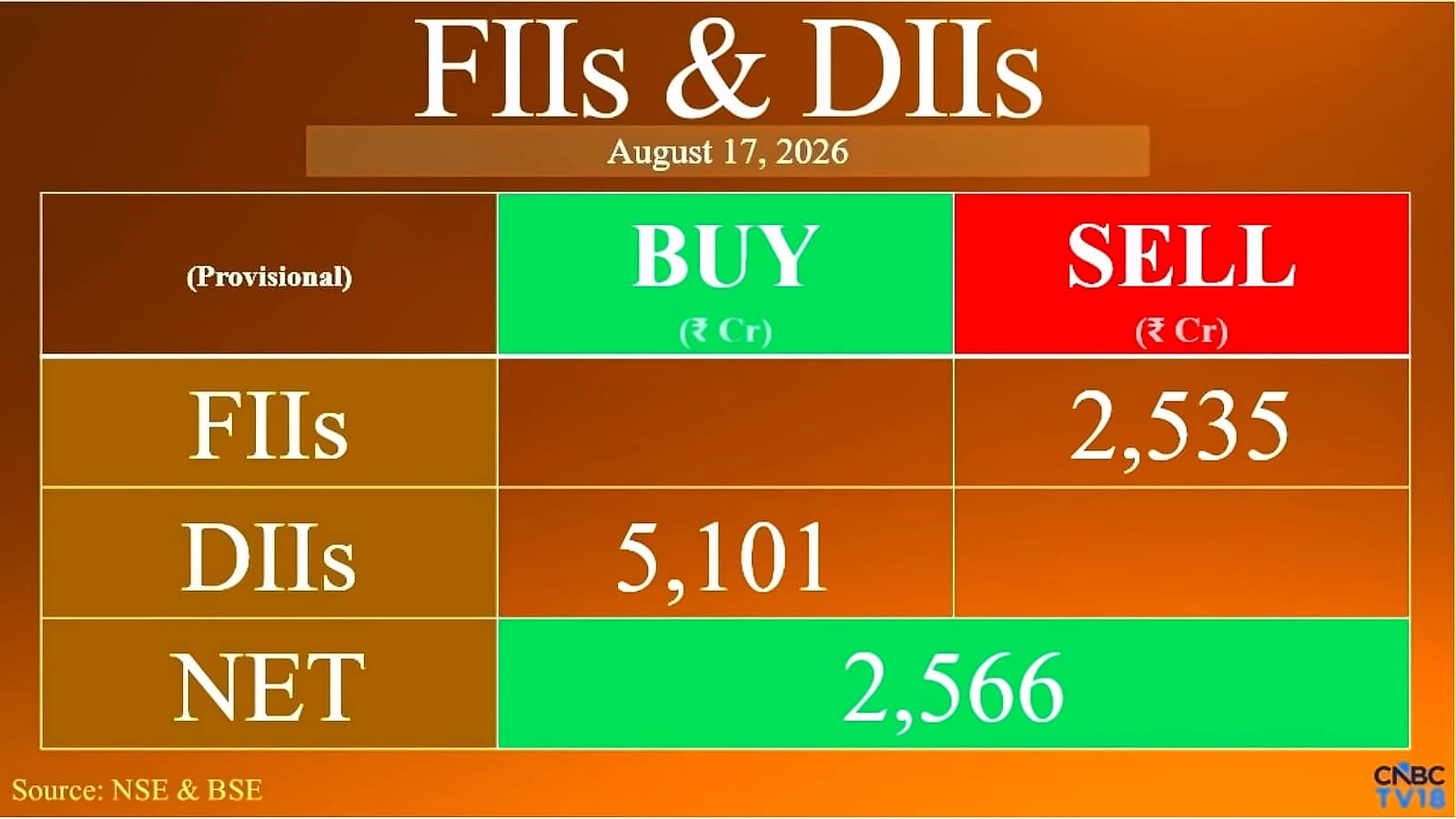
Foreign institutional investors have significantly intensified their selling pressure on Indian equities, with FIIs offloading Indian equities worth ₹1.369 crore during the week, as reported by Lokmattimes. The primary driver behind this aggressive outflow is identified as a combination of geopolitical concerns and a lack of clear sectoral leadership. Stocks with high FII ownership or those that have seen substantial foreign inflows in previous periods are more susceptible to continued selling pressure, with large-cap and highly liquid stocks typically part of FII portfolios experiencing sustained downward momentum. War-induced sell-off in March made it the worst month this year, witnessing an exodus worth ₹1.17775 crore, while Foreign investors turned net buyers in February, buying shares worth ₹22,615 crore. In contrast, domestic institutional investors (DIIs) bought equities worth ₹9,782 crore during the week, providing some support to the market.
The IT pack emerged as the biggest laggard, plunging about 10% on the BSE during the week, according to Lokmattimes. The sell-off came after weaker-than-expected management guidance triggered fresh concerns over the FY27 earnings outlook, despite in-line quarterly earnings from Infosys and TCS. In contrast, consumption-oriented sectors such as FMCG delivered a positive performance, with companies reporting double-digit volume growth. The BFSI segment has also posted steady results so far, with asset quality remaining stable despite concerns stemming from the West Asia crisis, particularly in MSME and commercial vehicle segments.
The ongoing US-Iran war continues to be a key driving factor for the stock market, with Donald Trump calling off a planned visit by US officials to Pakistan for discussions on the Iran conflict on Saturday. As reported by Mint, Trump said special envoy Steve Witkoff and his son-in-law Jared Kushner would be wasting "too much time," adding that if Iran wished to engage, "all they have to do is call." Earlier, Iran's Foreign Minister Abbas Aragchi met with Pakistani mediators, stating he had conveyed Iran's stance on ending the war but remained uncertain whether the US was "truly serious about diplomacy." The rate setting committee of the US Federal Reserve will meet on April 28 & 29 to mull on policy moves in light of the ongoing US-Iran war, with global news flows including US FOMC and Bank of Japan rate decisions expected to influence future institutional activity.