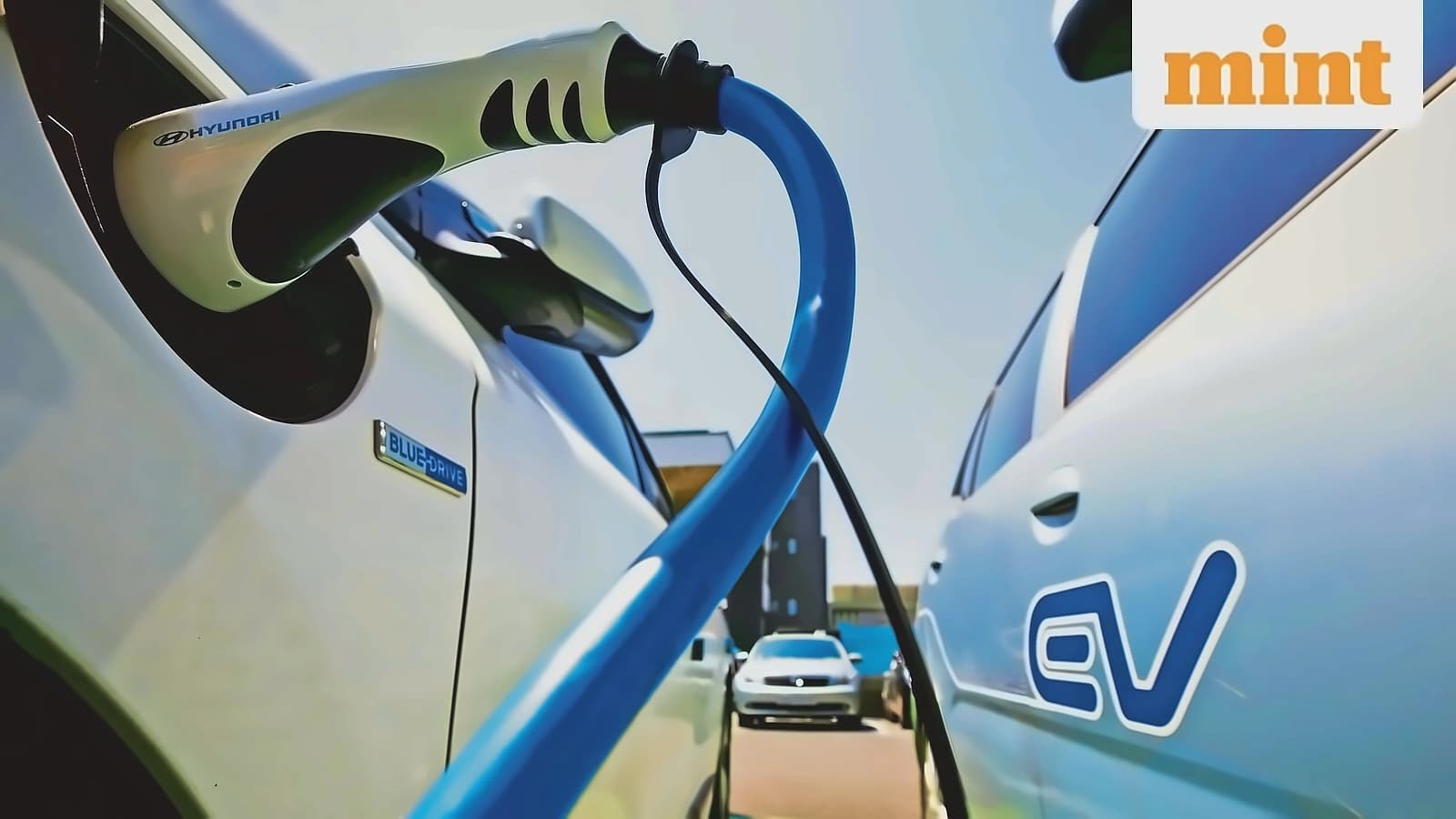
Indian equity markets experienced significant volatility on Monday with the Sensex crashing over 1,000 points to 76,258.40 and the Nifty falling below 23,900 to 23,876.90, declining 1.24% amid multiple headwinds. According to NewsX, the market sell-off was driven by Iran-US tensions, rising crude oil prices, rupee weakness, and PM Modi's fuel conservation appeal. The Nifty Next 50 dropped 1.47% to 70,446.00, while the Nifty Smallcap 100 fell 1.30% and the Nifty MidSmallcap 400 declined 1.11%. Despite the broader market weakness, EV stocks continued their rally with JBM Auto jumping 7.26%, Ola Electric surging 4.49%, Ather Energy spiking 5.6%, and Olectra Greentech rallying 4.9%.
The market decline was significantly impacted by Brent crude prices shooting up 3.5% to $104.80 per barrel and WTI prices standing around the $99 mark following the US rejection of Iran's latest peace proposals. As reported by NewsX, the Indian rupee weakened to 94.88 against the dollar, losing 40 paise from Friday's closing of 94.48. The weakening rupee is expected to increase import costs, particularly for crude oil, leading to inflation fears that impact market sentiment. Aviation, jewellery, paint, logistics, and oil marketing stocks took a hard hit due to rising crude prices, while IT stocks held up relatively better with the BSE Focused IT index losing only 0.37%.
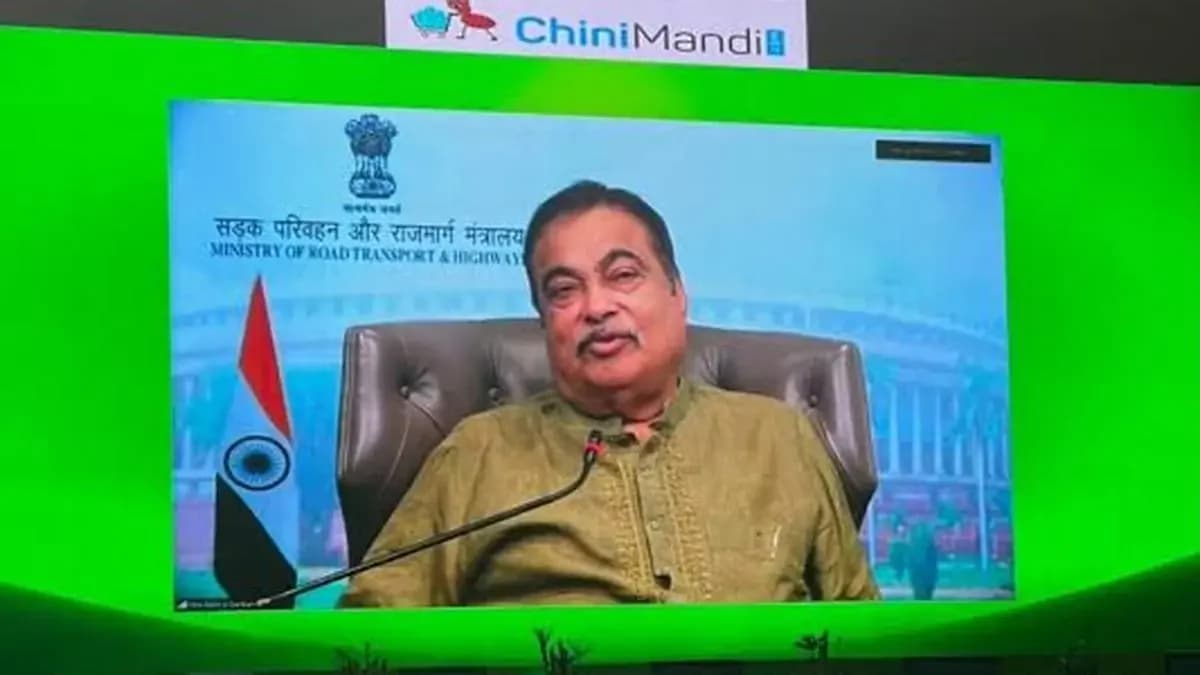
During his address on Sunday while inaugurating projects in Hyderabad, Telangana, Prime Minister Modi urged people to use petrol, diesel and gas with great care to save foreign currency reserves. As reported by Livemint, Modi emphasized that efforts should be made to use only as much fuel as needed to save foreign currency and reduce the adverse effects of the war. The appeal comes amid the ongoing West Asia crisis that has led to surging crude oil prices globally. Modi also called for work-from-home practices during the pandemic period, increased use of public transport and carpooling, and asked EV owners to maximise EV usage to reduce fuel consumption.
Alongside the fuel conservation message, Modi made seven comprehensive appeals to cushion consumers from soaring oil prices. According to Livemint, these included prioritizing work from home arrangements, conducting online meetings, limiting travel, avoiding non-essential gold purchases and foreign travel for a year, reducing petrol and diesel consumption by using public transport, cutting down cooking oil use, and reducing chemical fertilizer dependence. The appeals are designed to reduce India's dependence on foreign energy sources during the current crisis.
The West Asia crisis has created a mixed impact on the automotive industry, with EV makers benefiting from robust demand while traditional automakers face challenges in passing on rising input costs without impacting demand. As reported by Livemint, automakers are currently trying to absorb commodity inflation rather than passing it entirely to consumers by negotiating with suppliers, localizing components, cutting discounts, delaying discretionary spending, and stockpiling supplies. Analysts suggest Indian equity markets may continue to see continued volatility in the coming days due to growing geopolitical concerns and escalating crude oil prices. The BSE Bankex plunged 1.54% due to continued selling in financial stocks, while banking counters were the biggest drag on the market.