According to reports from The Economic Times, Citibank India has strengthened its institutional-banking franchise three years after exiting the consumer business. The bank's client-asset book crossed ₹1 lakh crore, demonstrating significant growth in its institutional focus. CEO K Balasubramanian expressed optimism about India's IPO revenue stream and highlighted that foreign investors continue to favour markets offering 'disproportionate returns'. The bank has been actively identifying companies that could benefit from trade agreements and engaging with clients to capitalize on these opportunities.
As reported by The Economic Times, Balasubramanian acknowledged that foreign investors have pulled money out of India due to lack of disproportionate returns compared to other markets. He explained that investors compare P/E ratios across multiple markets and currently prefer markets like Taiwan and Korea that have been among the biggest draws this year. The US market continues to grow strongly despite inflation and unemployment concerns, with AI being a very big play in the US market. However, no new foreign capital is coming in currently, with this situation unlikely to change unless the global AI story evolves differently.
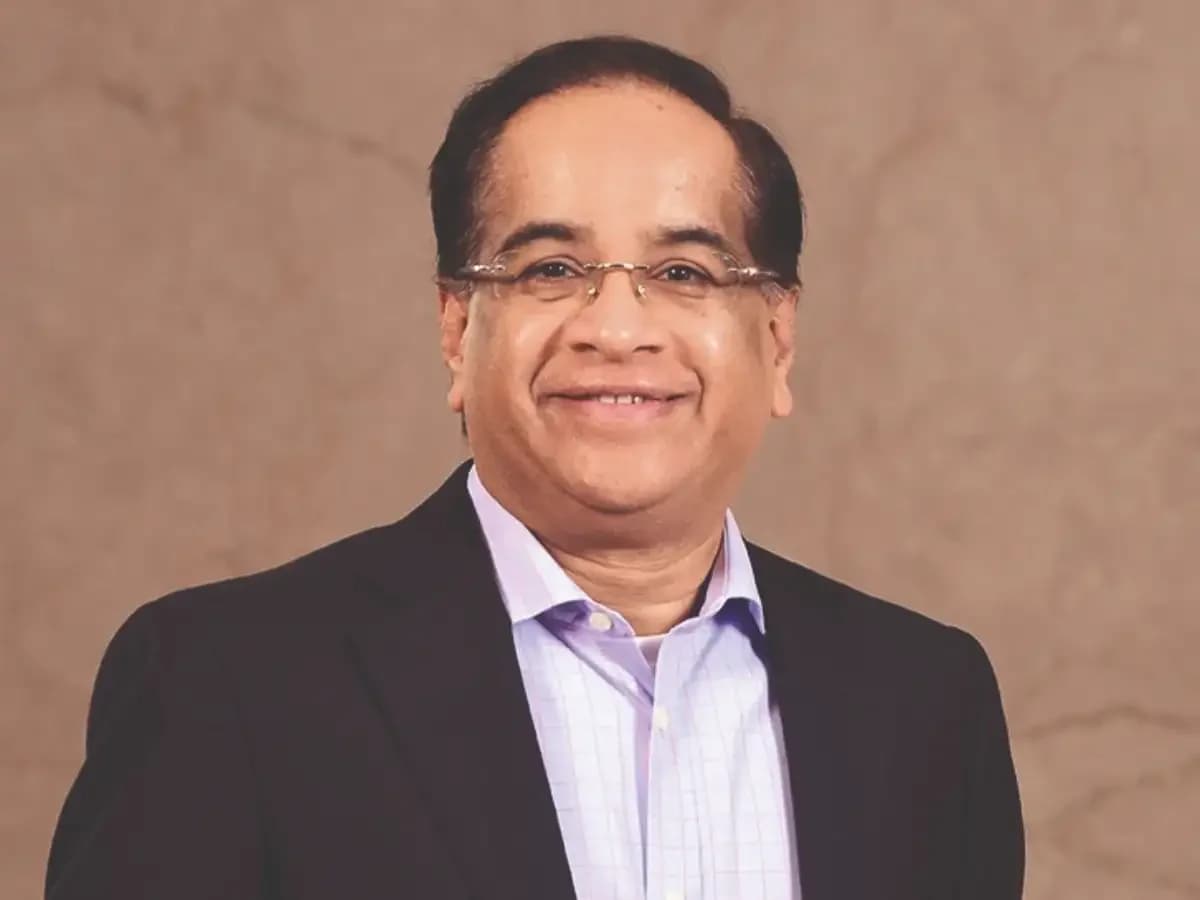
According to the interview with The Economic Times, Balasubramanian noted that India doesn't have too much to show on AI compared to other markets. He emphasized that India is often seen as a counter-trade to the AI story, which is limiting foreign investment attraction. The CEO indicated that no new foreign capital is coming in currently, but this situation could change if the global AI story evolves differently. He stressed that India needs to change its AI narrative to attract more durable foreign investment.
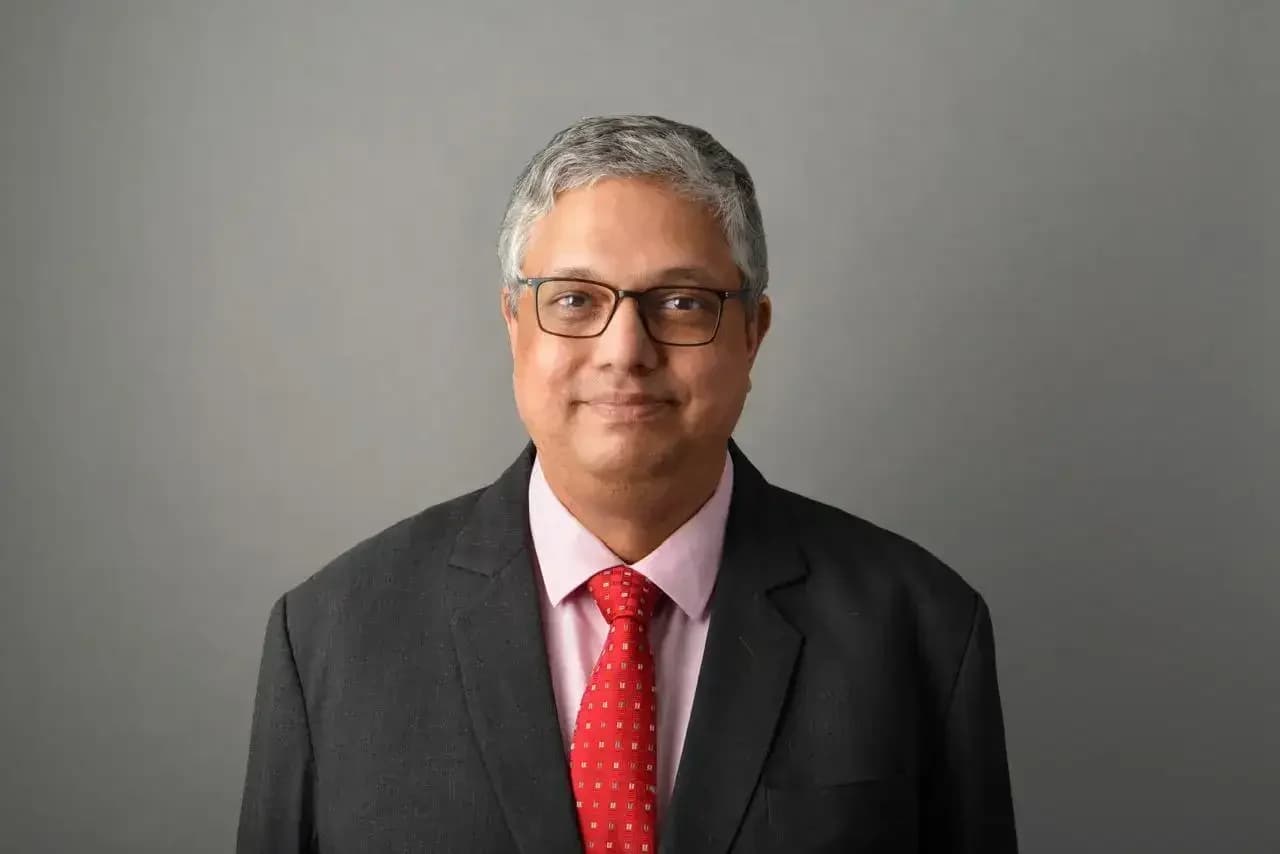
As reported by The Economic Times, Balasubramanian highlighted that trade agreements are going to be a big positive for direct investment in India. He explained that trade agreements create potentially important UK-India and EU-India corridors. For Citi, these opportunities can flow through services, markets and potentially through investment-banking transactions as multinational companies raise capital in India. The bank has been doing significant work identifying companies that could benefit from these trade agreements and engaging with clients to capitalize on these opportunities.