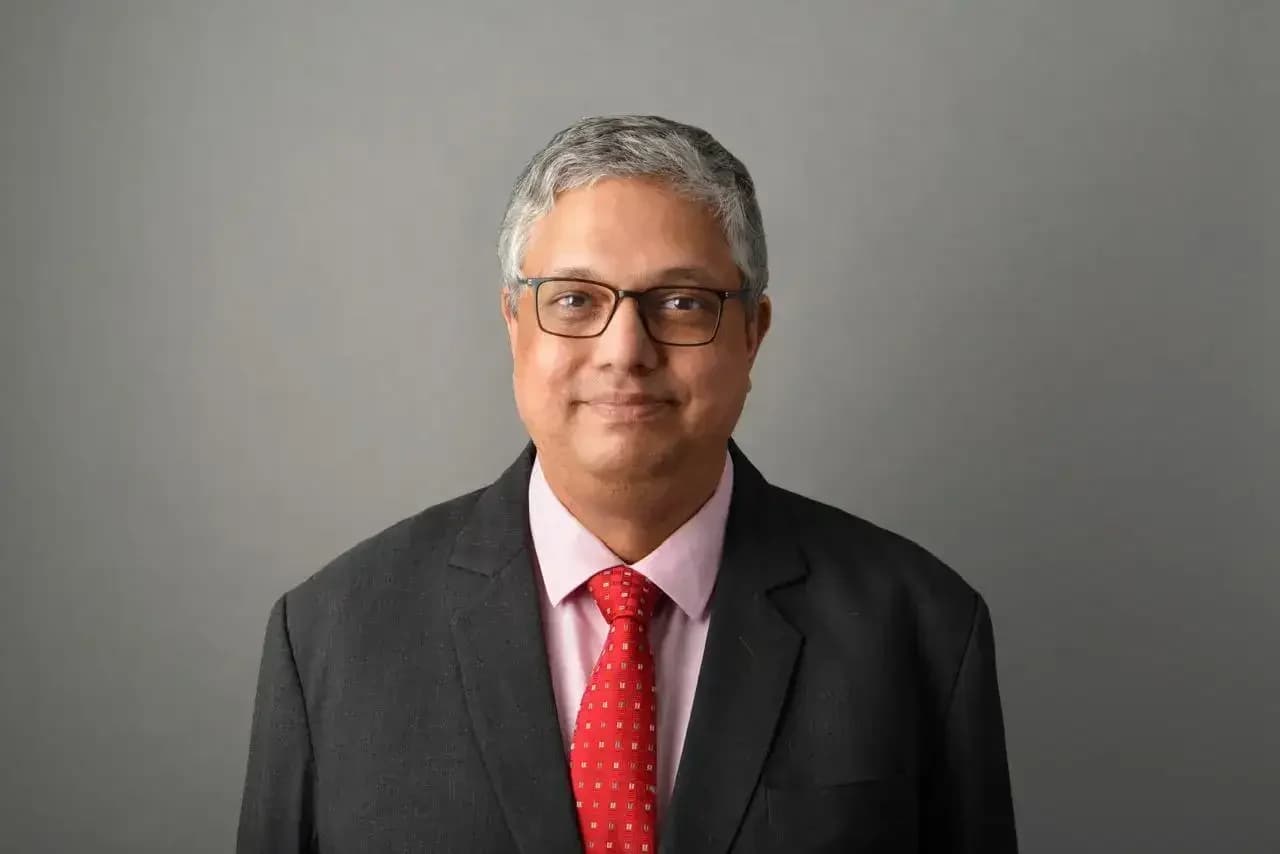
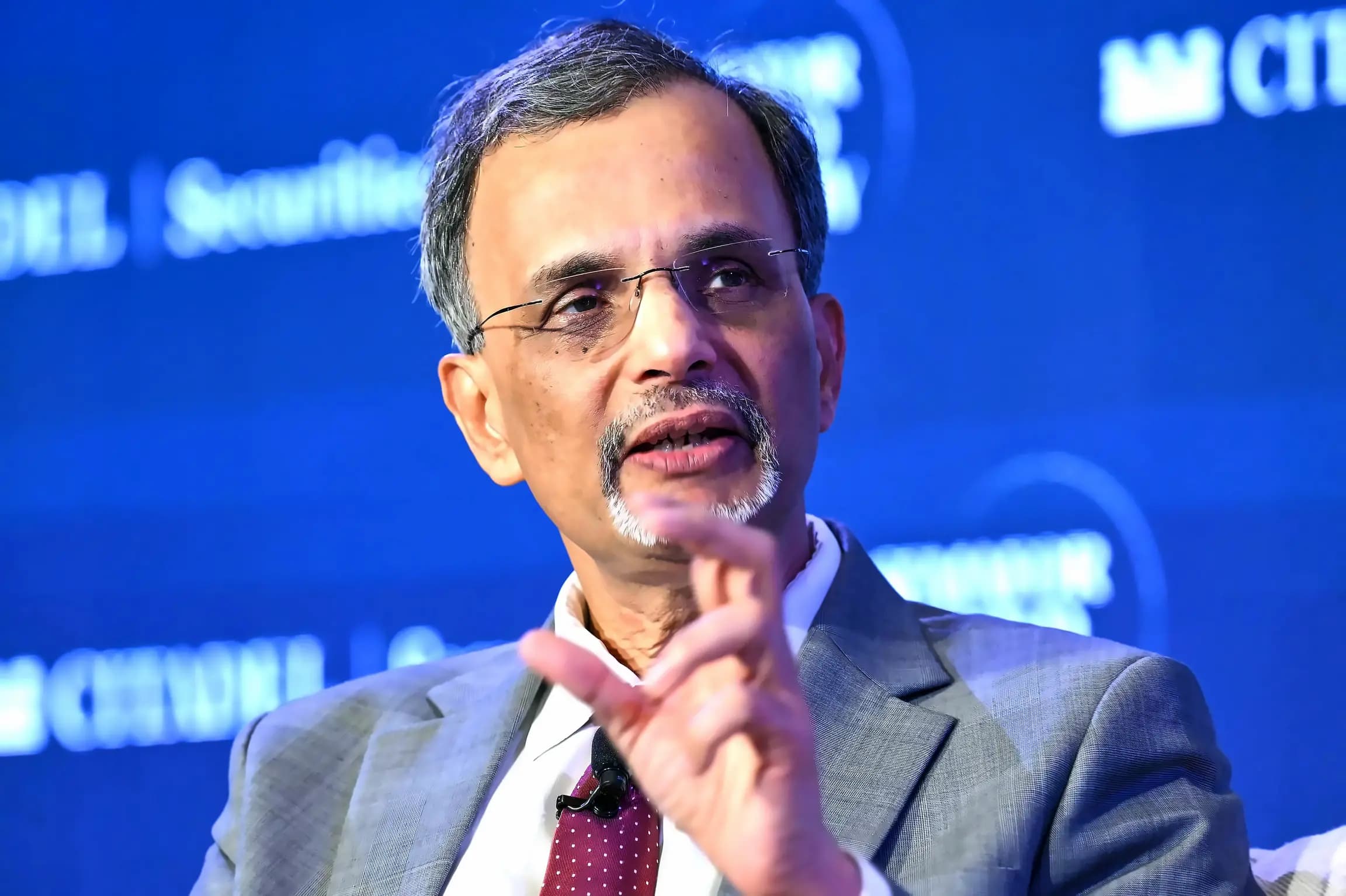
Chief Economic Adviser V Anantha Nageswaran has issued a stark warning that excessive financialisation at an early stage of development could undermine India's growth prospects. Speaking at the CII-DFS Financing Summit, Nageswaran emphasized that "Too much finance too early in the development cycle will pull that ladder back." He argued that capital markets should return to their original role of mobilising savings and directing them towards businesses that manufacture, build infrastructure and generate employment. According to The Economic Times, Nageswaran highlighted that "The depth of the market in India is an asset but whether it becomes a national asset depends on whether it is used to build things or only to trade claims on things already built." He stressed that technological advancements have made markets faster, cheaper and more accessible, but the key question is whether they channel capital into businesses that build capacity and generate employment. As reported by The Economic Times, he cautioned against a consumption-led economic model, stating "An economy that is consumption-oriented may not be the most suited one for India's development context."
The latest data reveals that equity market capitalisation has reached 130% of GDP, while the corporate bond market accounts for only 16% of GDP. As reported by The Economic Times, Nageswaran said "There is a certain asymmetry in this." He highlighted that projects such as factories, power grids, ports and fabrication plants depend largely on long-term debt, yet the corporate bond market remains significantly underdeveloped. The CEA called for pension funds, insurers, and other long-term investors to play a larger role in financing projects with long gestation periods, particularly in agriculture, manufacturing, and infrastructure sectors. While acknowledging that technology had improved market access, settlement systems and transaction security, Nageswaran said these advances had not necessarily translated into better outcomes for investors or the real economy, emphasising that "A safer machine is not the same as a better outcome."
Nageswaran emphasized the critical need for capital markets to provide patient capital for building cold chains, warehouses and food processing facilities in rural India. According to The Economic Times, he stated that "Our equity market capitalisation is around 130% of GDP and the corporate bond market is around 16%. Yet a factory, a grid, a port, or a fabrication plant is financed largely with long-term debt. There is a certain asymmetry in this." The CEA highlighted that capital markets should help lower the cost of capital for small manufacturers and food processors by assessing their creditworthiness based on cash flows. He raised concerns about the accessibility of capital markets for entrepreneurs seeking long-term financing, asking "Where is the technology that helps an Indian household hold a bond for 20 years?" Nageswaran stressed that "The question for capital markets 2.0 is therefore a simple one. Will finance once again serve the real economy or will it continue to rule the real economy?"
Nageswaran flagged significant risks from increased retail participation in equity derivatives, citing studies by the Securities and Exchange Board of India (Sebi). According to Business Standard, around 93% of individual traders in equity derivatives incurred losses in the three years ended March 2024, with combined losses of ₹1.8 trillion. More than three-fourths of individual traders had declared annual incomes below ₹5 lakh in 2023-24. The CEA noted that over 75% of traders who lost money for two consecutive years continued trading in the third year, reflecting human behaviour now amplified by faster trading tools. He emphasized that regulation alone could not address these concerns, and market participants, financial institutions and intermediaries needed to take greater responsibility. The Hindu BusinessLine reports that Anand Rathi, Chairman of Anand Rathi Group, suggested policymakers could consider measures to encourage participation in the cash market, including reviewing the Securities Transaction Tax (STT) structure, potentially eliminating it in the cash segment while retaining it in the derivatives market.
The CEA argued that finance has increasingly become an end in itself rather than supporting production, moving away from its original purpose of pooling household savings for enterprise development. According to The Economic Times, Nageswaran emphasized that India's strengths lie in agriculture, food processing, labour-intensive manufacturing, and human-centric services, all requiring patient capital to build capacity. He warned against short-termism in equity markets, arguing that companies need long-term capital rather than investors who exit at the first sign of disappointment. Gaurav Mathur, founder and managing director of SafeGold, called for tax incentives to encourage investors to hold financial assets for longer periods, stressing that savings policies should reflect individuals' financial circumstances and different stages of life. As reported by The Hindu, Mathur emphasized "It's a matter of constructive partnership between regulators and financial intermediaries, where you incentivise long-term saving behaviour at the appropriate stages in life," adding that incentives should particularly target wealthier individuals with greater capacity to save. Nilesh Shah, managing director of Kotak Mahindra Asset Management Company and part-time member of the Economic Advisory Council to the Prime Minister, underscored the need to strengthen financial literacy and encourage voluntary pension savings.
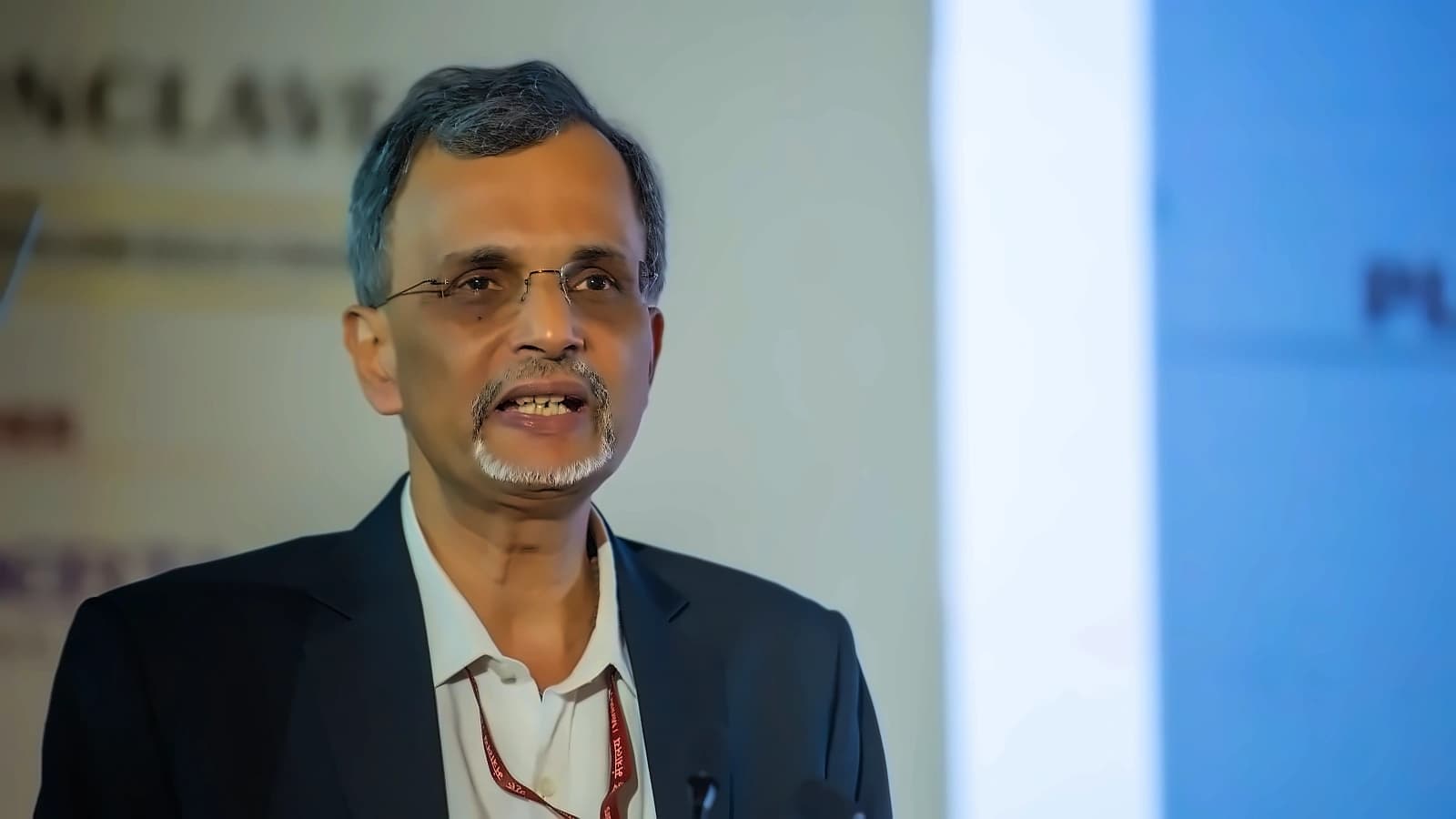
Nageswaran emphasized that whether finance would once again serve the real economy or continue to dominate it would determine the stability of markets and the strength and sustainability of India's economic growth. As reported by The Economic Times, he stated that "The answer will decide not only the stability of our markets but also the strength of our economy and the sustainability of our economic growth." The CEA's comments come as policymakers focus on building a financial system capable of financing productive capacity over 15 to 25 years, with the focus shifting towards using technology to benefit small businesses and manufacturers rather than enabling speculative trading activities. For India, the challenge is to ensure that its capital markets support strategic sectors, including manufacturing, agriculture, agro-processing, water management and services that require human skills and personal interaction, while noting that technology alone cannot address the challenges facing capital markets, particularly the growing participation of retail investors in the derivatives segment. Nageswaran said regulations alone cannot provide the answer which has to come from market participants and practitioners, emphasizing that the ultimate test will be whether it becomes easier or harder for entrepreneurs to raise 20-year funding for long-term projects.