Leading brokers associations have submitted a comprehensive proposal to the Industry Standards Forum (ISF) to address the impact of RBI's stringent lending norms for proprietary trading. According to reports from The Hindu BusinessLine, Business Standard, The Economic Times, and Mint, the Commodity & Capital Markets Participants Association of India, Association of NSE Members of India and Bombay Stock Exchange Brokers' Forum have requested formal recognition of liquidity providers (LPs) in the Indian market. Under the proposed framework, each LP would be assigned a dedicated unique trading code exclusively for LP activity, allowing banks to treat them more like market makers with less stringent cash collateral requirements. As reported by Mint, the matter is likely to be taken up by the ISF on Thursday, with the associations having made multiple representations to the RBI, exchanges, clearing corporations and the Industry Standards Forum (ISF).
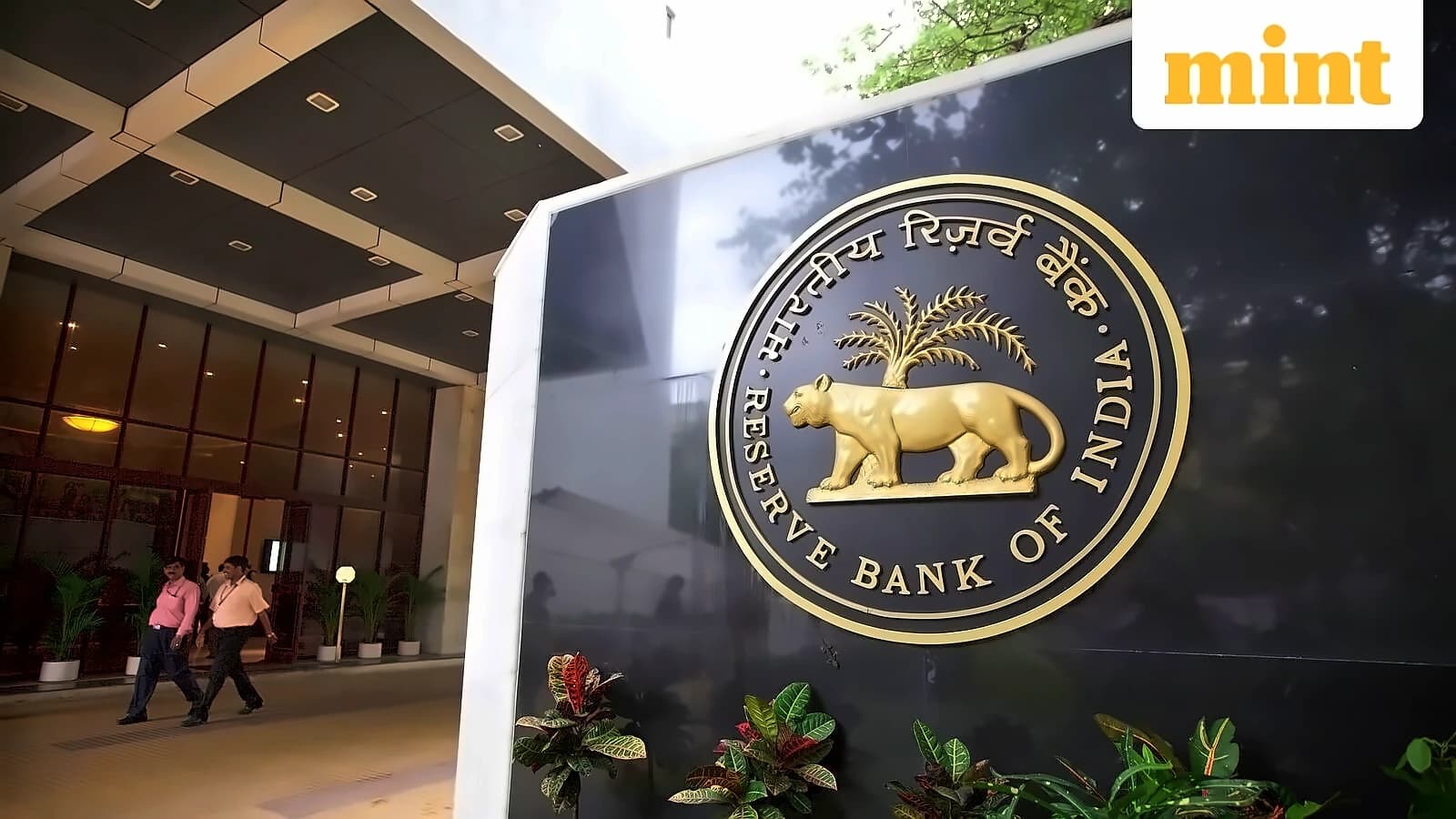
The RBI has implemented revised deadline for tightened bank lending norms for brokers' proprietary trading coming into effect from July 1, 2026. As reported by The Hindu BusinessLine, Business Standard, The Economic Times, and Mint, RBI has directed banks to seek full collateral against credit facilities for proprietary trading by brokers, raising concerns over banks' funds being used for speculations in equity markets. The RBI has mandated that banks lending to capital market intermediaries (CMIs) extend guarantees for proprietary trading subject to the facility being fully secured. The central bank has provided concessions for market makers in the new lending norms, but SEBI's market-maker framework is restricted to boosting liquidity in SME platforms and does not apply to equity derivatives markets. Industry participants say the objective of curbing bank-funded speculative trading is justified, but contend that the framework fails to distinguish between speculative proprietary positions and market-making or liquidity-providing activities.
To qualify as an LP, a proprietary trader must maintain a substantially hedged trading portfolio with limited market risk. According to the proposal submitted to ISF, LP risk can be measured using the ratio of SPAN (Standard Portfolio Analysis of Risk) margin to total margin. To qualify as an LP, the SPAN margin should be less than 50 per cent of the total margin requirement. For instance, a trader taking a long NIFTY position at 25,000 may require to maintain a total margin of 11.3 per cent, comprising 9.3 per cent SPAN margin and 2 per cent ELM. In this case, SPAN represents about 82 per cent of the total margin, indicating a largely unhedged position with significant market exposure. As reported by Mint, the industry estimates that bank guarantees account for roughly ₹1.2 trillion of the ₹11-12 trillion collateral pool maintained with clearing corporations, while intraday funding facilities contribute another ₹80,000 crore. For their margin to be below 50% of collateral parked with banks, the SPAN has to fall from 9.3% at present to below 2%.
With SEBI recognition, banks can treat LPs as market-makers whose guarantees require only 50 per cent cash collateral instead of 100 per cent as newly proposed by RBI. As reported by The Hindu BusinessLine, LPs benefit the market by improving liquidity, narrowing bid-ask spreads and enabling more efficient price discovery. According to Business Standard and Mint, industry representatives said liquidity providers play a critical role in maintaining bid-ask spreads and market depth by continuously quoting prices across market segments. These participants absorb buy and sell orders, helping institutional and retail investors enter and exit positions with minimal market impact. The CPAI has requested the ISF to recommend this framework, noting that major markets such as Hong Kong (HKEX), USA (CME, CBOE), Europe (Eurex, ICE) and Singapore (SGX) already have LP frameworks. The proposed framework aims to help domestic proprietary stock traders convince the Reserve Bank of India to permit lower margin for bank guarantees and enable them to trade higher volumes, as global traders are stepping up their presence in India.
The ISF is a forum that formulates standards for implementation of regulations in consultation with SEBI. According to The Hindu BusinessLine, Business Standard, The Economic Times, and Mint, following the development, the Commodity & Capital Markets Participants Association of India has submitted a note to the ISF requesting it to formally define and register liquidity providers like in global equity markets. The proposal aims to provide a structured approach to addressing the liquidity concerns raised by the new RBI lending norms while maintaining regulatory oversight through SEBI's framework. As reported by Mint, recognition as liquidity providers would involve exchanges, at SEBI's direction, giving them a trading account which is distinct from the speculative trading account they run presently. If SEBI accepts ISF's proposal, it will also have to request RBI to apply different funding rules for them. Clearing corporations will send margin files to banks daily, and if banks find a prop trader's SPAN margin exceeding 50% of total margin, they can call back the bank guarantee. However, the associations said they have received no indication from regulators on whether either the implementation timeline or the framework itself could be revised.