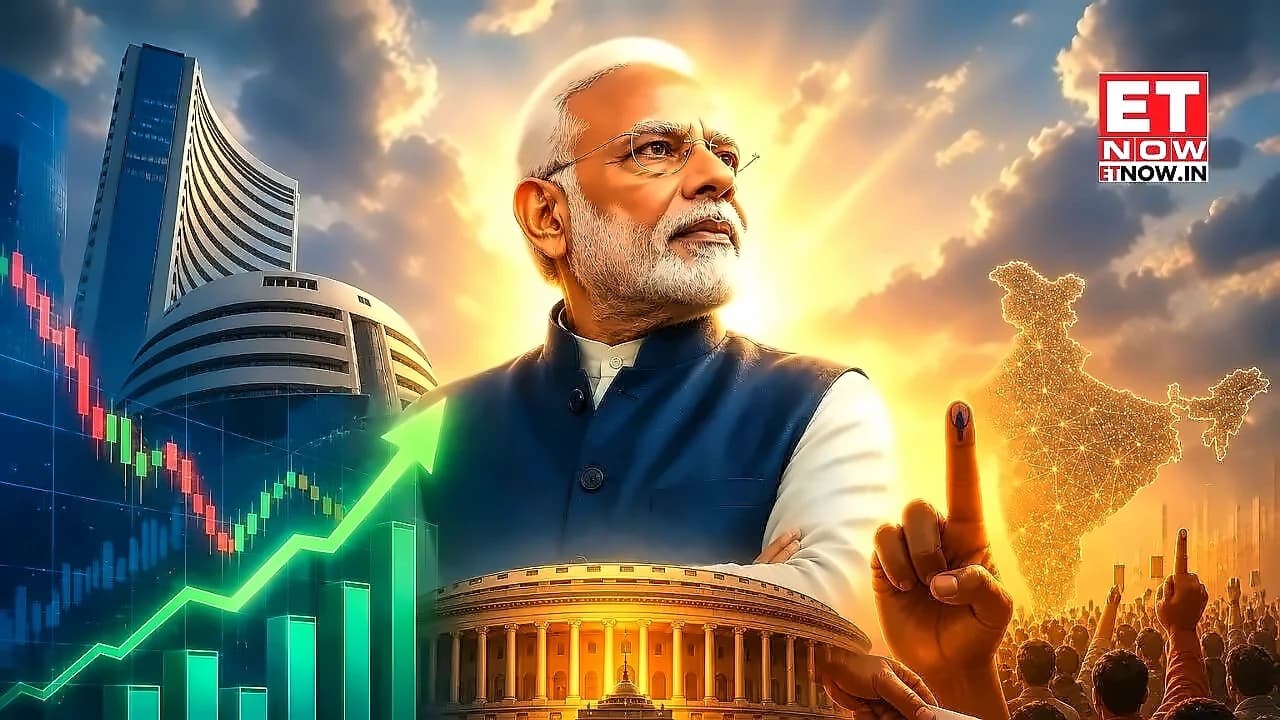
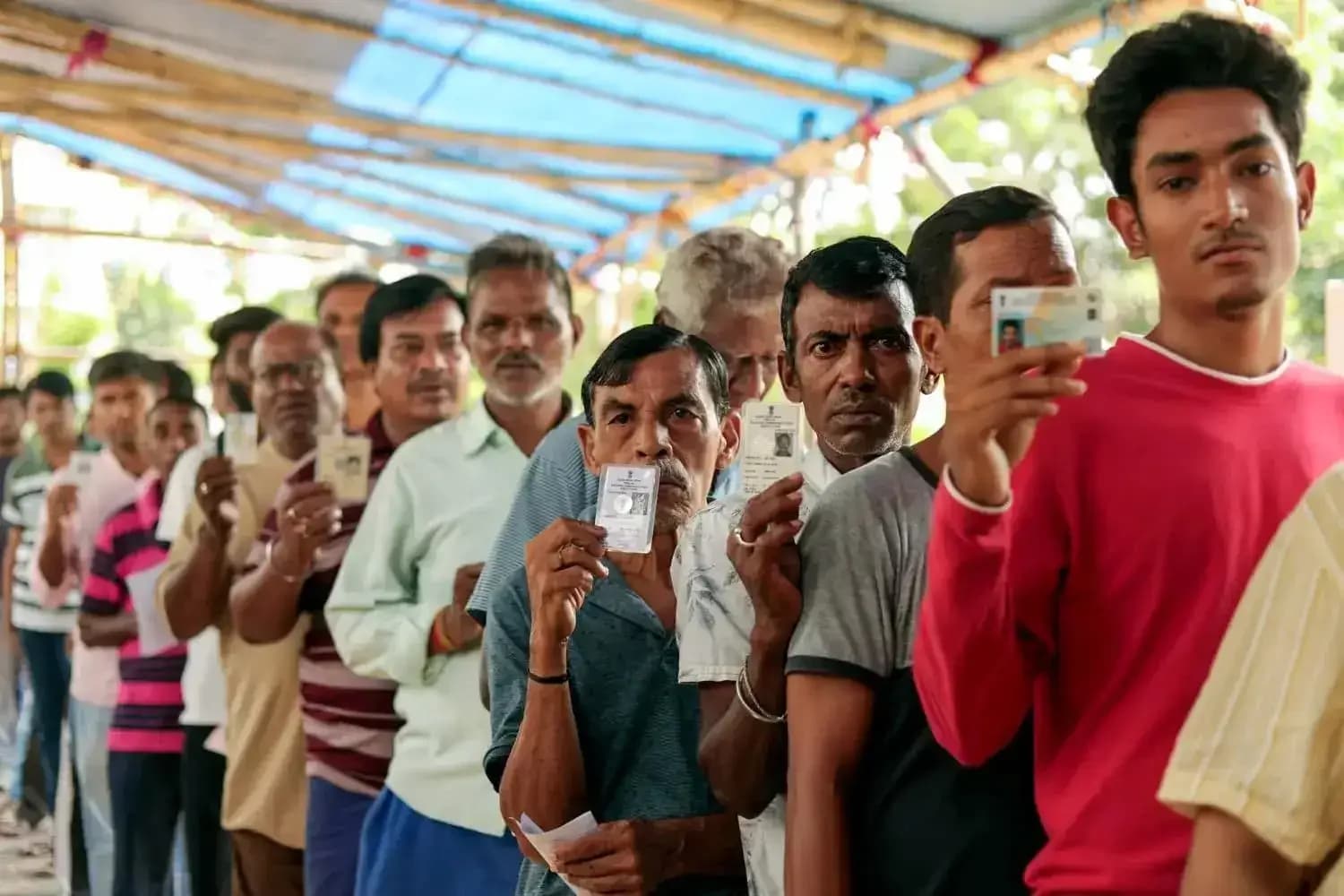
The BJP's decisive victory in West Bengal has triggered a significant market response, with Nifty and Sensex gaining close to 1% each on Monday before paring gains later in the day. According to Mint, the Sensex lost about half a percent in morning trade on Tuesday as the initial enthusiasm faded. Financial markets are interpreting this outcome as a net positive primarily due to political stability and policy continuity, with analysts noting that 'Today's multiple state election verdict will be viewed positively by the market, not only for the message of a progressive change but more from the lens of policy continuity as the hands of the ruling NDA have become stronger'. The strengthening of the central political framework is particularly important for markets that have been cautious since the 2024 general elections.
The most significant outcome has emerged from West Bengal, where the BJP has staged a dramatic comeback, winning 206 assembly seats compared to 81 seats won by the All India Trinamool Congress (TMC) led by Mamata Banerjee. This represents a 'game-changing moment for West Bengal' that could reshape the state's long-term economic trajectory. The brokerage firm describes this as a 'momentous day of change' in Indian politics, highlighting a structural shift in how elections are being fought and won. With expectations of a more business-friendly approach, the state may witness improved investment inflows and stronger growth over the coming years. Ashish Chhawchharia, Partner and Head - Eastern Region, Grant Thornton Bharat, told Mint that 'The regime change comes with the anticipation of a favourable environment for driving future investments and accelerating economic activity while seeing more effective actions on the ground, benefiting the people'. The BJP's entry into Bengal marks the first time the state will operate on a 'double-engine' model when the state and central government are both run by the same party, which may accelerate administrative clearances for central schemes and be positive for industrial policy.
G Chokkalingam, Founder and Head of Research at Equinomics Research, noted that West Bengal has lagged in private investment for some years, but BJP's win could reverse this trend as a shift toward more investor-friendly policies may encourage greater corporate participation. The state could position itself alongside states such as Uttar Pradesh, Maharashtra, Gujarat, and Tamil Nadu in driving higher economic growth, contributing to the broader ambition of building a $1-trillion state economy. However, analysts point out that the election outcome alone cannot drive markets, as headwinds from the West Asia war and surge in oil prices linger. Harshal Dasani, Business Head at INVasset, emphasized that 'The biggest takeaway is the possibility of stronger Centre-state alignment, faster project approvals, improved administrative execution and renewed focus on infrastructure, logistics, power, ports and urban development'. The state's industry share at 21.6% is lower than Assam (36.3%), Tamil Nadu (33.4%), and Kerala (23.9%) in 2024-25, highlighting significant potential for growth.

The BJP has committed to creating one crore new jobs and self-employment opportunities over the next five years, with ₹3,000 financial aid to every unemployed youth and ₹3,000 monthly financial support to women. The party has also promised 33% reservation for women in state jobs and women-only police battalions or Durga Surokha Squads to improve women's participation in the labour force. In its manifesto, the BJP vowed to clear all Dearness Allowance (DA) arrears and ensure the implementation of the 7th Pay Commission for state government employees and pensioners within 45 days of assuming charge. The party has committed to filling vacancies across various state departments through transparent, merit-based recruitment drives by December this year. RPG Group Chairperson Harsh Goenka posted on social media that 'Bengal's business community is absolutely delighted' with the results, citing development returning to the agenda, jobs and investments following, and a stronger social climate emerging.
Meanwhile, Kerala has returned to its alternating pattern, with the Congress-led alliance gaining ground. As reported by Motilal Oswal, this shift also marks a historic transition, as communist parties are no longer in power in any Indian state for the first time in nearly five decades. The shift to a non-communist government in Kerala represents a significant change in the political landscape of India's southern states.