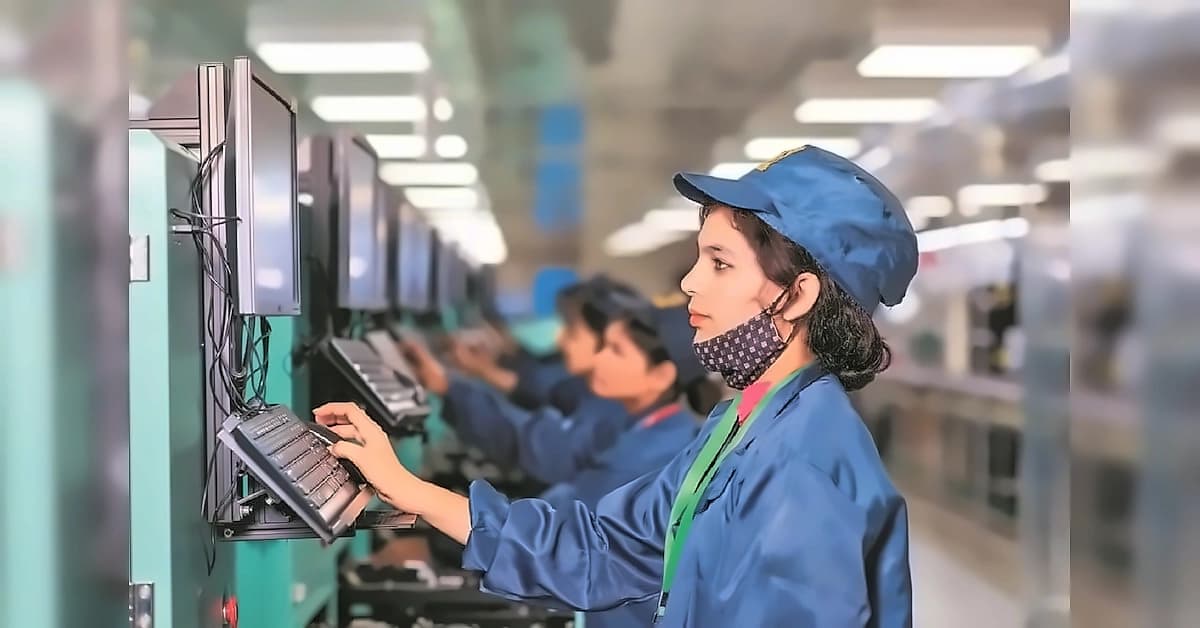
According to the latest National Family Health Survey (NFHS)-6 2023-24 findings, women's economic inclusion in India is showing significant improvement across multiple indicators. Land ownership among women, either alone or jointly with others, has increased from 14 per cent in NFHS-5 (2019-21) to 18.8 per cent in NFHS-6 (2023-24). The digital transformation has been particularly notable, with internet use among women nearly doubling from 33 per cent to 64 per cent during this period. Additionally, 89 per cent of women now operate their own bank accounts, up from 79 per cent in the previous survey.
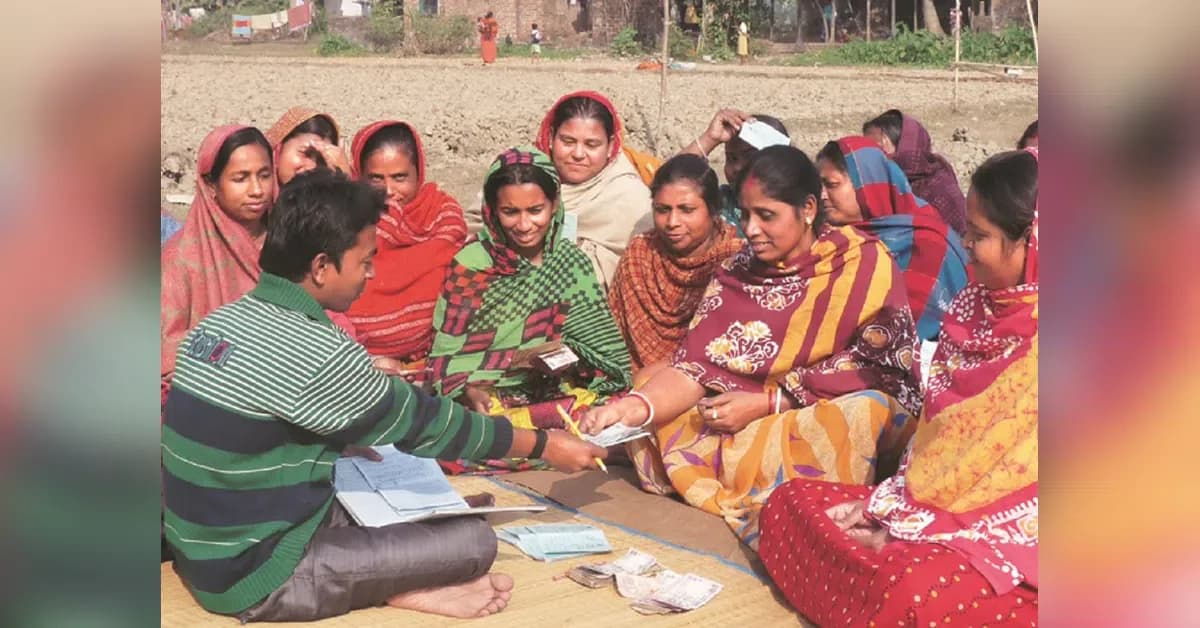
The survey data reveals encouraging trends in women's participation in formal economic activities. The proportion of women who worked in the last 12 months and earned cash income has risen from 25 per cent to 31 per cent, indicating increased economic participation. These gains reflect the impact of digitisation, financial-inclusion initiatives, and welfare programmes specifically targeting women. However, as reported by Business Standard, the quality of employment remains a concern despite the growing participation numbers.
International evidence highlights similar challenges facing women's economic empowerment globally. Latin America and the Caribbean illustrate both the risks of inaction and the potential gains from getting this right, with approximately 17 million jobs in the region potentially benefiting from AI-driven productivity gains but remaining inaccessible due to lack of digital infrastructure. The region's workforce faces significant challenges, with half of its workforce trapped in low-productivity informal employment, with women and young people disproportionately affected. This global context underscores the urgency of addressing skills gaps and digital access barriers that limit women's economic participation worldwide.