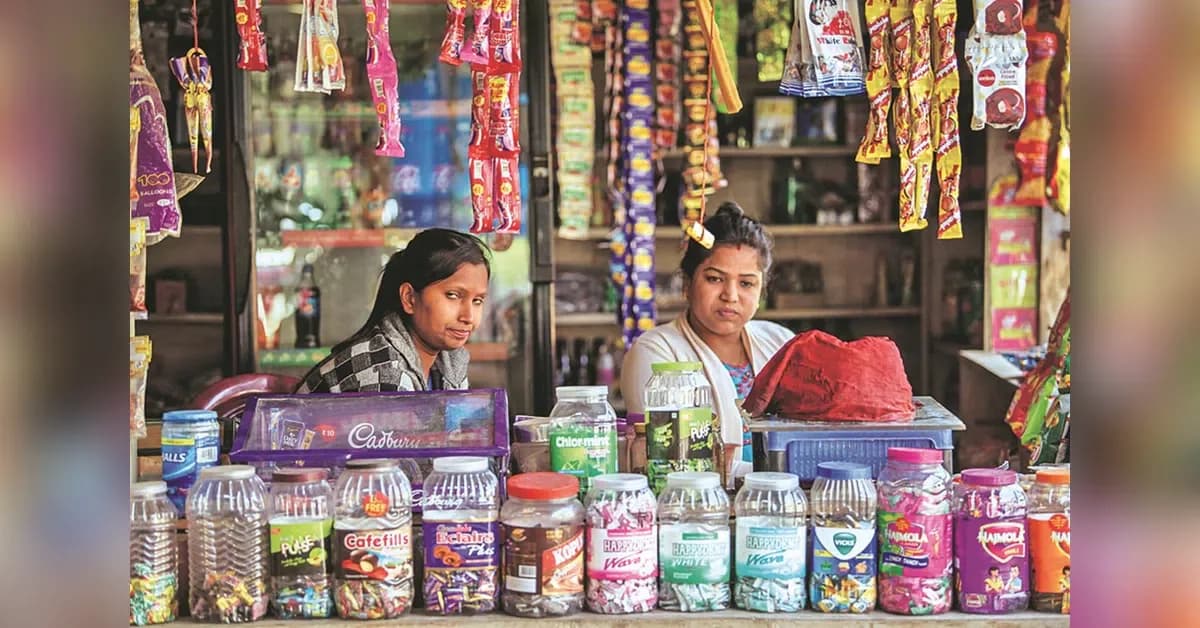
India's platform workforce has experienced significant growth, rising from an estimated 7.7 million in 2020 to 12 million in FY25 and is projected to reach 23.5 million by 2029-30, according to a joint policy brief by the International Labour Organization (ILO) and National Council of Applied Economic Research (NCAER). However, women remain largely absent from location-based platform work such as delivery and ride-hailing, with women accounting for less than 1 per cent of two-wheeler delivery drivers in urban India, as reported by the ILO-NCAER brief released on Monday.
Despite near parity in basic bank-account ownership, significant gaps persist in digital financial capability and credit access that constrain women's participation in platform work. The share of women with bank accounts rose from 43 per cent in 2014 to 89 per cent in 2024, while men's share increased from 62 per cent to 88 per cent. However, only 25.2 per cent of women aged 15 and above can conduct online banking transactions compared with 47.1 per cent of men, and only 18 per cent of women possess the digital skills required for platform work, against 30.1 per cent of men, as reported by the ILO-NCAER brief.
Financial barriers begin before women enter platform work, with about 52 per cent of women lacking capital for investments needed to enter the sector, compared with 40 per cent of men. Women also accounted for only 22.9 per cent of outstanding bank credit to individuals in March 2023, according to the report. In rural India, the digital divide is even more pronounced, with only 17.1 per cent of women able to undertake online banking compared with 39.2 per cent of men. The report noted that women require sustained access to higher-value working capital to upgrade their assets but face a lack of formal credit history as a critical barrier to scaling and advancing.
The ILO-NCAER policy brief emphasizes that digital financial inclusion is key to boosting women's participation in India's platform economy, addressing constraints through cashflow-based lending and digital payment records. As per NCAER director general Suresh Goyal, speaking at the policy brief release, "A woman's best protection is a little money of her own and access to credit and mobility are important conditions for women to have better employment opportunities. Platform economy has given that opportunity." The brief highlights that women need access to a range of financial services throughout their platform-work journey, including start-up capital, short-term credit, insurance, savings and financial planning tools.
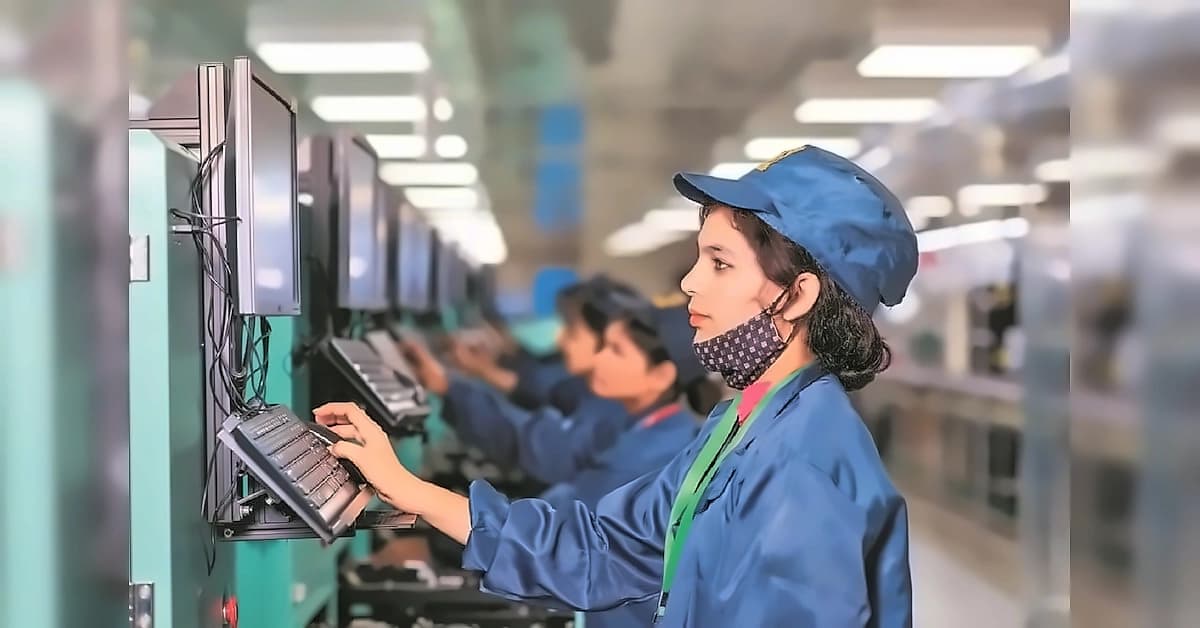
The report calls for financial products designed around women's income patterns, stronger safeguards for worker data, and repayment flexibility during periods of low income. It recommends regulatory sandboxes to examine whether platform earnings and social-protection records could be used to improve workers' access to credit. The authors also suggest integrating platform earnings data with India's digital public infrastructure to make such financial profiles portable across lenders, potentially addressing the current limitations in data sharing frameworks. The policy brief, titled "Advancing Women's Digital Financial Inclusion in the Platform Economy," was released on Monday.