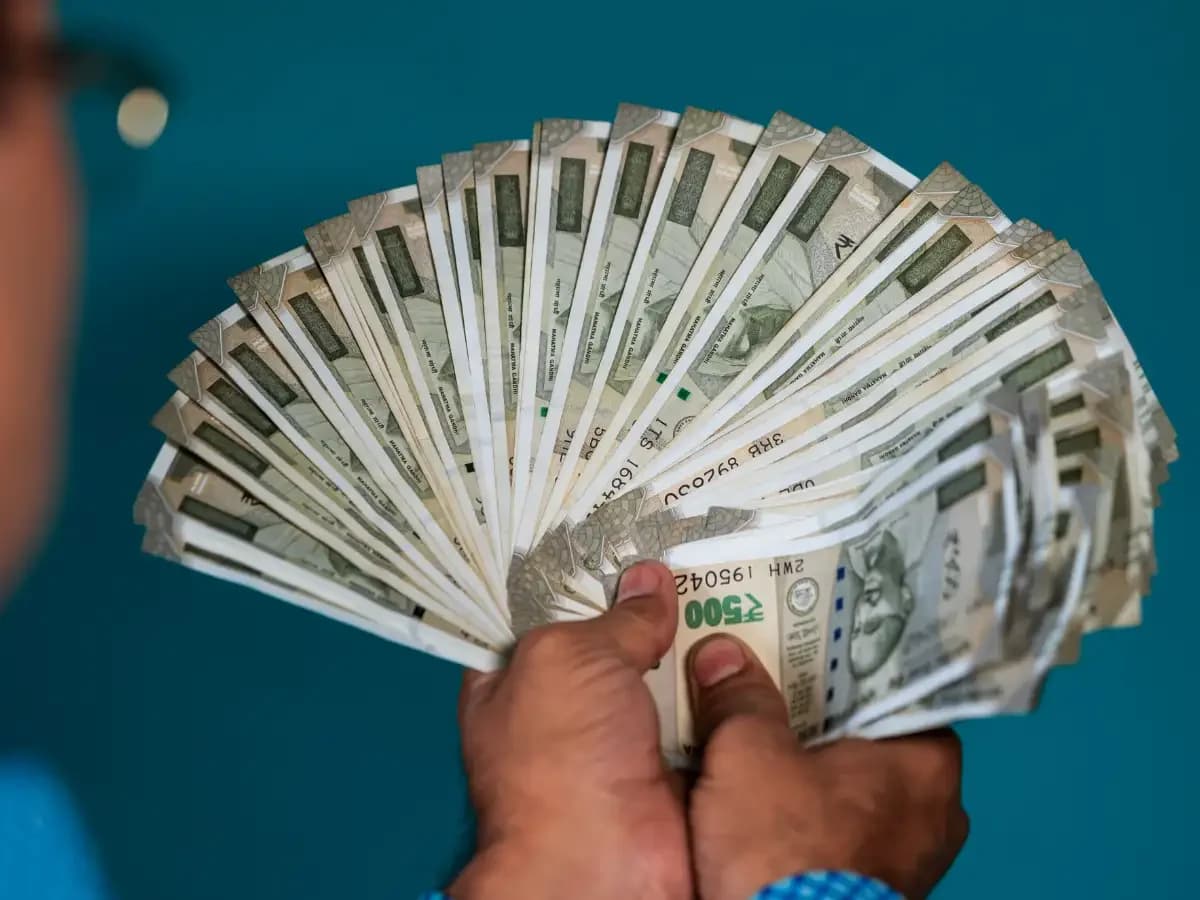
Women hold 370.7 million of the total 553.9 million Mudra accounts as of October 31, 2025, representing 67% of all accounts according to the statistics ministry's Women and Men in India 2025 report. However, the ₹15.40 trillion disbursed to women accounts for only 43% of the overall ₹36.18 trillion disbursal. This significant disparity highlights a structural imbalance in the government's microfinance scheme, with women entrepreneurs accounting for more than two-thirds of all accounts under the Pradhan Mantri Mudra Yojana (PMMY) yet receiving less than half the total funds disbursed.
The funding gap is even more pronounced when examining average loan amounts per account. Women received an average of ₹41,539 per account, while other borrowers received ₹1.13 lakh - nearly 2.7 times as much. This substantial difference in loan amounts per account demonstrates the smaller scale of women's business ventures compared to other beneficiaries, highlighting the stark gap in loan size between women entrepreneurs and other borrowers under the scheme.
The disparity extends across most states and Union Territories, with women holding a majority of Mudra accounts in 23 of the 36 states and UTs but accounting for a majority of disbursed amounts in only five states: Odisha, Bihar, Tamil Nadu, Jharkhand and Puducherry. Among the 24 states and UTs with at least 10 million Mudra accounts, Odisha and Bihar had the highest share of disbursals to women at 57.6% and 57.2% respectively, while Himachal Pradesh recorded the lowest at 12.1%. At the other end, Jammu and Kashmir (18.1%), Himachal Pradesh (29.8%), and Delhi (20.7%) had relatively lower proportions of women receiving disbursals.
New Delhi presents a particularly stark contrast, where women held 58% of Mudra accounts but received only about 20% of the amount disbursed. Tamil Nadu, Bihar, West Bengal, Karnataka and Maharashtra together accounted for 53% of the total amount disbursed to women under the scheme. The Ministry of Statistics and Programme Implementation (MoSPI) organized a national conference earlier this month in collaboration with UN Women to address these gender-disaggregated data findings, with the conference underscoring the need to turn gender-disaggregated data into policy insights for inclusive development and gender equality.
The share of women among Mudra account holders varied considerably across states, with Odisha (78.9%), Maharashtra (78.7%) and Jharkhand (74.6%) having the highest proportions of women account holders among the 24 states and UTs considered. At the other end, Jammu and Kashmir (22.9%), Himachal Pradesh (29.8%) and Andhra Pradesh (40.4%) had the lowest proportions of women account holders. The Ministry of Statistics and Programme Implementation organized a national conference earlier this month with UN Women to address these gender-disaggregated data findings and emphasize the need for policy interventions to bridge the funding gap.