According to data from the Ministry of Labour and Employment, women accounted for 68.78% of new registrations on the e-Shram portal in FY26, representing a significant increase from 52.38% in FY23. The share in FY26 is marginally higher than FY25, when it stood at 68.05%. As reported by Business Standard, this trend reflects women's growing participation in unorganised sectors across various employment categories. The report indicates that regardless of regions and the formal or informal nature of employment, women are over-represented in domestic work and own-use production, public administration, education and health, highlighting their increasing presence in India's informal workforce.
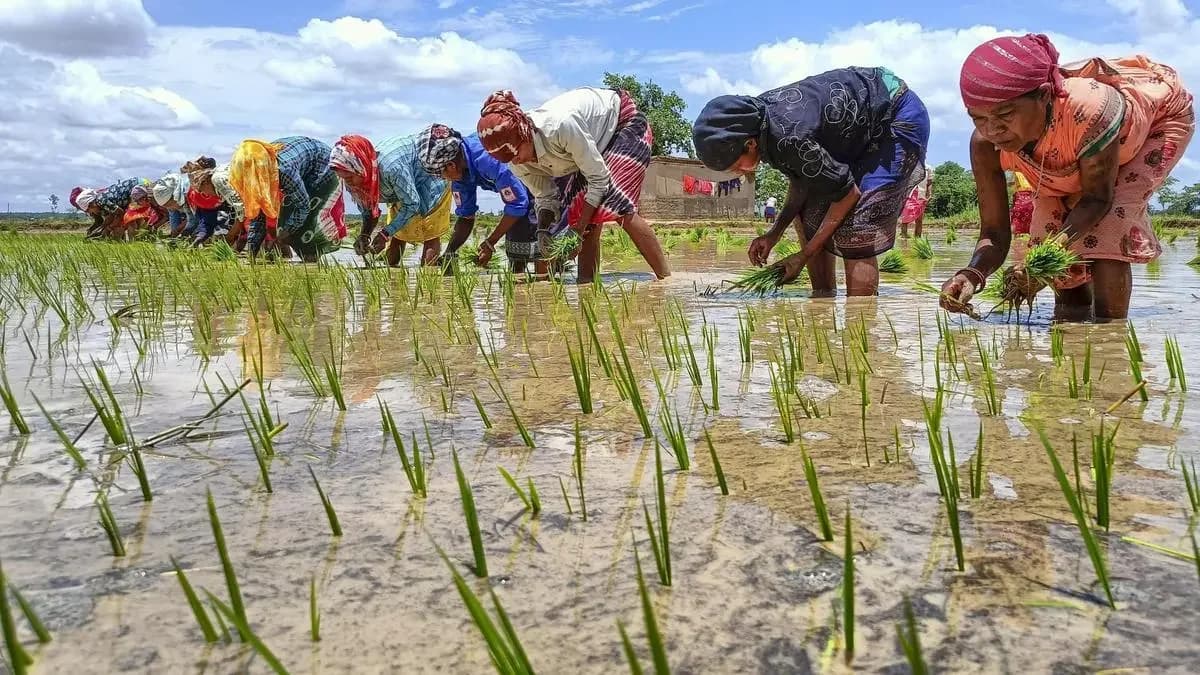
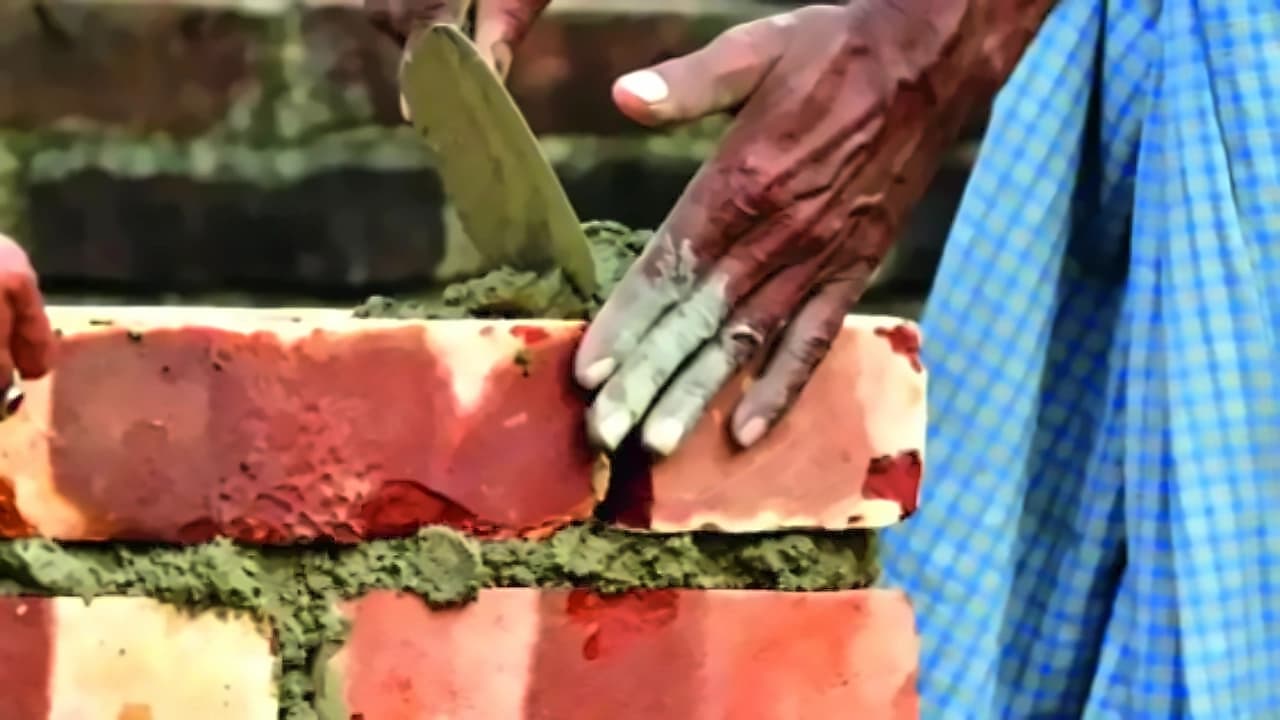
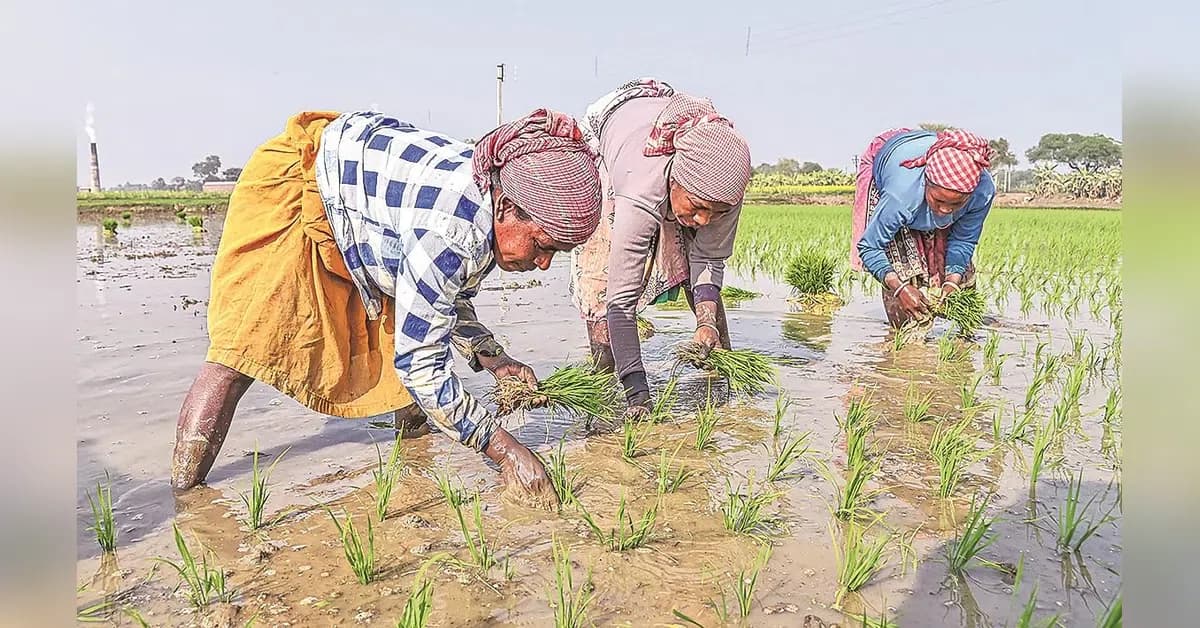
Women dominate several key sectors on the e-Shram portal, with 93.66% of registrations in domestic and household work and 95.86% in the apparel sector. According to the ministry data, women also maintain high shares in education, beauty and wellness, gems and jewellery, office administration and facility management, and healthcare sectors. Their registrations were also higher than men's in glass and ceramics, leather, and tourism and hospitality sectors. The trend is particularly pronounced in agriculture, which remains the largest category on the e-Shram portal, with women accounting for 65.54% of agricultural worker registrations. Cumulatively, women account for 65.54% of agricultural worker registrations, reflecting both rising female participation in rural economic activity and the prevalence of self-employment and family-based work.
Launched in August 2021, the e-Shram portal serves as a national database of unorganised workers, including domestic workers, agricultural labourers, street vendors, construction workers, gig workers and self-employed individuals. It functions as the Centre's national database for unorganised workers, capturing data across various employment categories and regions. The platform's comprehensive coverage allows for detailed analysis of women's participation across different sectors and regions, providing valuable insights into the informal workforce landscape.
According to the e-Shram data, women are disproportionately represented in sectors such as agriculture, domestic work, home-based production and small-scale self-employment, with limited access to social security, formal contracts or stable earnings. As reported by the International Labour Organization (ILO), women are overrepresented in informal and vulnerable employment, highlighting the need for targeted interventions to improve their working conditions and access to formal employment opportunities. The trend appears to be driven in part by agriculture, which remains the largest category on the e-Shram portal, with women accounting for 65.54% of agricultural worker registrations, reflecting both rising female participation in rural economic activity and the prevalence of self-employment and family-based work.