The VB-G RAM G Act, 2025 officially came into force across the country on July 1, 2026, marking a significant milestone in rural employment guarantee. For the financial year 2026-27, the Centre has allocated ₹95,692.31 crore as its share for the programme – the highest Budget Estimate allocation ever made for a rural employment programme in India. Including state contributions, the total programme outlay is expected to cross ₹1.51 lakh crore, reflecting the government's commitment to accelerate rural infrastructure creation and build climate resilience across rural India. The legislation replaces the two-decade-old Mahatma Gandhi National Rural Employment Guarantee Act framework, with existing e-KYC verified job cards under MGNREGA remaining valid until new Gramin Rozgar Guarantee Cards are issued.
The newly launched VB-G RAM G scheme experienced a significant 50% decline in person-days of work provided nationally in July 2026 compared to the same month last year under MGNREGA. According to data from the government's rural employment dashboard, VB-G RAM G generated 77.6 million person-days in July 2026, nearly half the 153.3 million person-days generated under MGNREGA in July 2025. This represents a year-on-year decline of 49.3%, with a person-day referring to the amount of work done by one person in one working day. The number of rural households that used the employment guarantee programme also declined sharply, with around 6.956 million households availing employment under VB-G RAM G in July, down 51.45% from 14.2 million households under MGNREGA in July 2025. However, the Centre claims over 99% of those who demanded work under VB-G RAM-G were provided employment and that the scheme has been implemented smoothly across the country with seamless transition from MGNREGA.
Under the new legislation, eligible rural households now have a statutory entitlement to 125 days of guaranteed wage employment, an increase from the previous 100-day guarantee. As reported by News On AIR, the Government has notified revised wage rates for all States and Union Territories, with no notified daily wage anywhere in the country below ₹300. This enhancement has increased the national average notified wage from ₹298.8 per day to ₹327.4 per day, reflecting an enhancement of more than 10% in wages. The Act retains and strengthens legal guarantees related to wage payments and labour protections, with wages continuing to be transferred directly into bank and post office accounts through Direct Benefit Transfer (DBT) and payments made weekly or within 15 days of closure of muster rolls. Women accounted for about 62.13% of the total person-days generated under the new programme, well above the one-third participation requirement for women under the rural employment guarantee law.
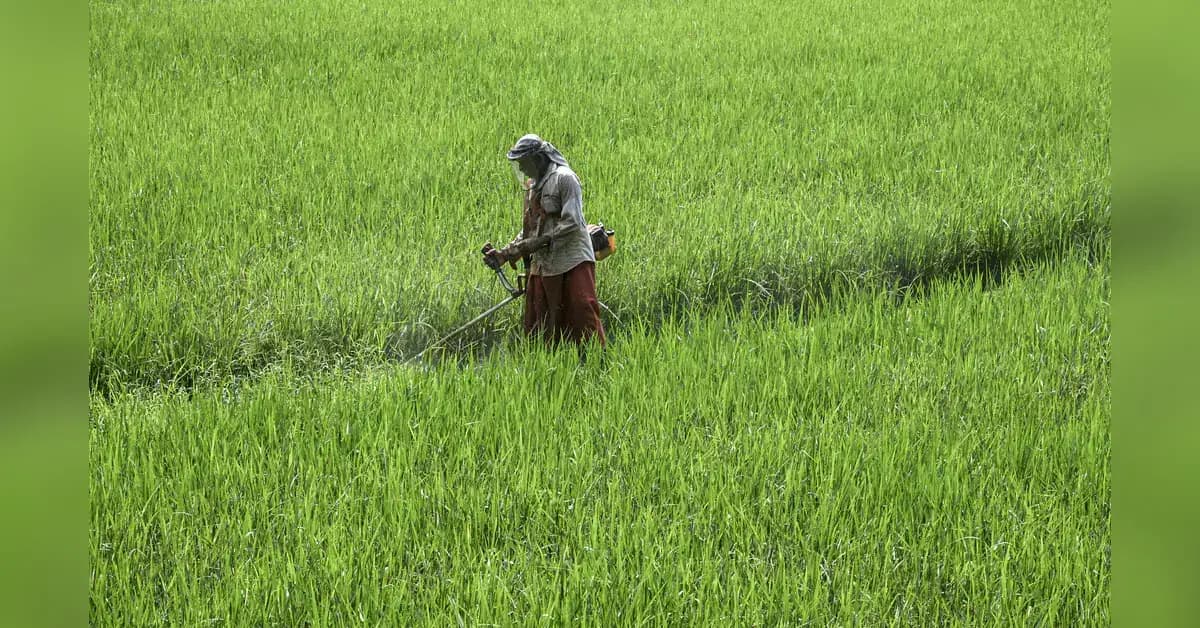
To ensure adequate labour availability during sowing and harvesting seasons, states have been empowered to notify an aggregated pause period of up to 60 days annually during peak agricultural operations. The Ministry said this provision aims to strike a balance between agricultural productivity and employment security without reducing the total 125-day guarantee. Seven states have opted for the sowing pause provision under VB-G RAM G, including Bihar, Gujarat, Odisha, Arunachal Pradesh, Mizoram, Sikkim and Nagaland. According to government officials, the fall in employment generation is due to the "Agriculture Pause Period" provided under VB-G RAM G, with the new programme allowing a pause in employment activities during certain periods when agricultural work is at its peak. This affected the number of person-days generated in July 2026. Under the VB-G RAM-G Act, states have the option to pause work for a maximum period of 60 days, which can either be two continuous months or two months with a break in between, during which no work is allowed to be undertaken as labourers are engaged in farm field work.
Despite the overall decline, six states and Union Territories generated more person-days during July 2026 than in the corresponding period in July 2025. According to official sources, these states include West Bengal, Telangana, Andhra Pradesh, Manipur, Mizoram and Ladakh. Notably, West Bengal did not have MGNREGA in 2025, making its performance comparison less meaningful for year-over-year analysis. However, experts suggest the first month performance may be influenced by structural and practical transition challenges. Chakradhar Buddha, senior researcher at LibTech India, told Business Standard that there seems to be a lot of confusion and anxiety among frontline officials, with changes in internal systems and reports creating implementation delays. "For workers, however, if you ask most of them, they have not even realised that a change has taken place. For them, everything remains more or less the same," Buddha noted. He emphasized that one month is far too little time to assess the scheme's performance, citing examples of states like Telangana where officials removed employment entries from muster rolls due to system confusion. The government has issued financial sanctions for various components amounting to ₹25,844.97 crore to states and union territories as the first instalment under the scheme, with non-BJP ruled states such as Karnataka, Punjab, Tamil Nadu, Jharkhand, Telangana, and Kerala allocating portions of their budgets towards their 40% share for VB-G RAM-G in FY27.