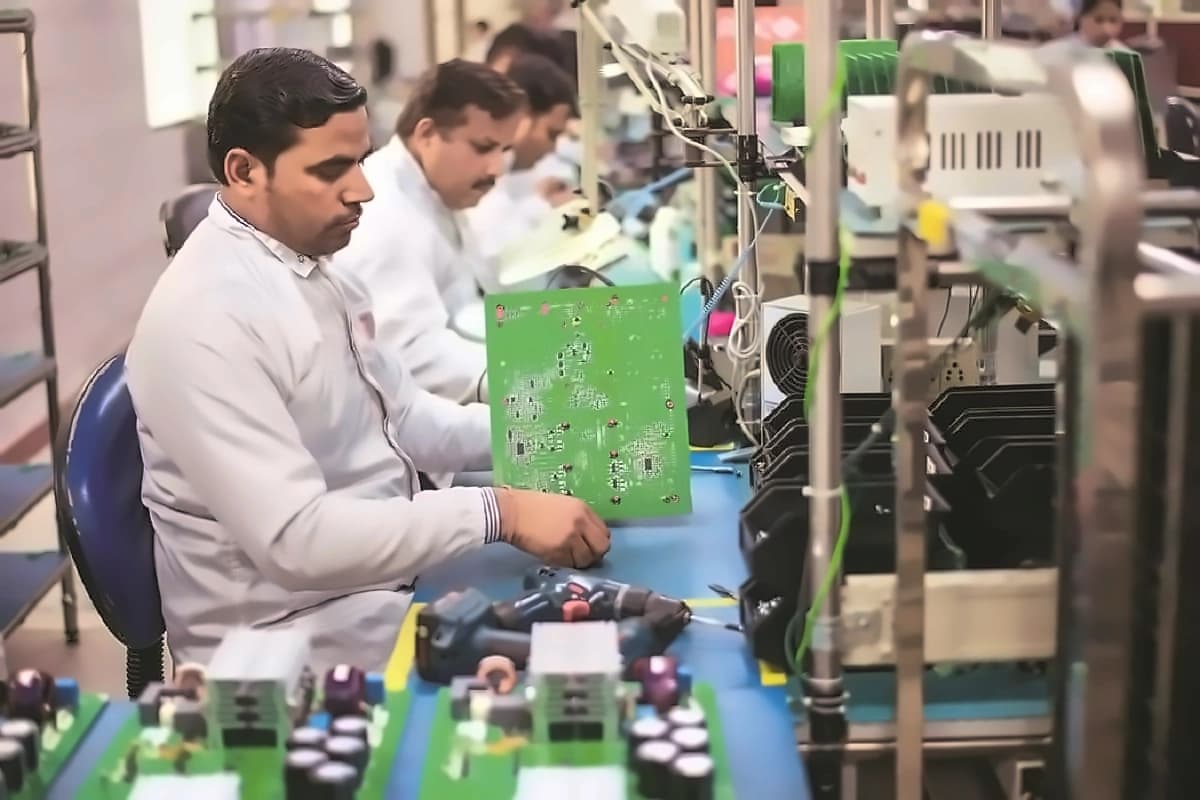
UPITS 2026, scheduled for September 25-29, 2026 in Greater Noida, is positioned as a transformative platform for Uttar Pradesh's economic development. The 4th edition of UPITS 2026 aims to connect nine million MSMEs with global buyers, targeting ₹20,000 crore in business opportunities and generating ₹5,000 crore in business enquiries. The trade show will attract 550 international buyers from more than 80 countries and 45,000 B2B buyers, with the theme 'UP for Global Growth: Innovation, Manufacturing & Exports'. According to officials, the event is estimated to facilitate over 5,000 Memoranda of Understanding (MoUs) between domestic and global trading entities, supporting UP's vision to become a $1 trillion economy by 2030.
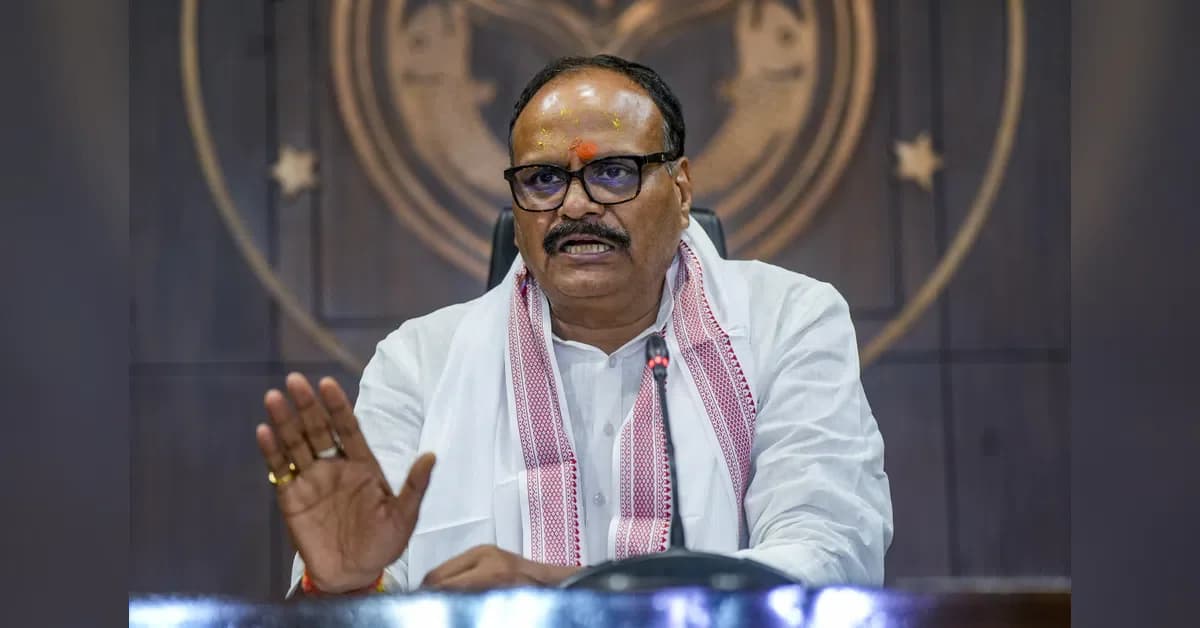
UP Pollution Control Board Chairman Dr R P Singh highlighted the state's vast potential for waste-to-wealth initiatives during the 'Ubharta Purvanchal' conclave in Varanasi. Singh revealed that on average, a tonne of foodgrain produces 1.7 tonnes of farm residue, which has significant economic value through biofuel supply chains. The biomass can be utilized in multiple forms including pellets for industry, compressed biogas (CBG), and small biofuel power plants. Singh suggested forming Farmer Producer Organisations (FPOs) for collecting biomass from small landholdings at the village level, representing a transformative approach to agricultural waste management.
Industrial infrastructure is being strengthened significantly across Purvanchal. According to Excise Minister Nitin Agarwal, eastern Uttar Pradesh has moved beyond its traditional identity to become a key contributor to the state's economic growth. The 341-km Purvanchal Expressway, linking Lucknow with Ghazipur, has emerged as one of the state's flagship infrastructure projects, reducing travel time between eastern Uttar Pradesh and the National Capital Region while improving access for industries and businesses. The 91-km Gorakhpur Link Expressway connects Gorakhpur with the Purvanchal Expressway, reducing travel time to Lucknow to around 3-3.5 hours. The region also benefits from the Kushinagar International Airport, which is expected to strengthen the Buddhist tourism circuit and improve international connectivity.
Balrampur Chini Mills is investing ₹3,000 crore in a greenfield bioplastics plant in Uttar Pradesh, which will be commissioned by the end of this year, as reported by Business Standard. The company operates 10 sugar mills with a combined capacity of 80,000 tonnes crushed per day (TCD) and five distilleries producing ethanol at scale for blending with fossil fuels. Praveen Gupta emphasized that blending ethanol with fuel provides a viable means to cut carbon emissions and augment farm incomes. The company has also converted ash generated at manufacturing units into potash granules for soil enhancement. Agriculture contributes 18% to GDP, 13% to exports and 45-55% of employment, according to Mithilesh Kumar from Bank of Baroda, highlighting its critical role in regional economic development.
Padma Shri awardee farmer Chandrasekhar Singh stressed that real agricultural transformation requires farmers to think and act like micro-entrepreneurs, aligning with industry and adopting commercial crops. He recommended forming FPOs exclusively for organic farming and noted that farmers are keen to move away from wheat and rice cycles but resist due to lack of new markets and adequate government support. Lanka Ramesh from Canara Bank highlighted that small landholdings in Uttar Pradesh pose challenges for deriving optimal farm economy benefits. He suggested using modern technology such as drones and artificial intelligence (AI) in agriculture to mitigate labor shortages and boost agricultural growth. The region's farmers with small landholdings require collective approaches through cooperatives and collectives to maximize benefits from agricultural development initiatives.