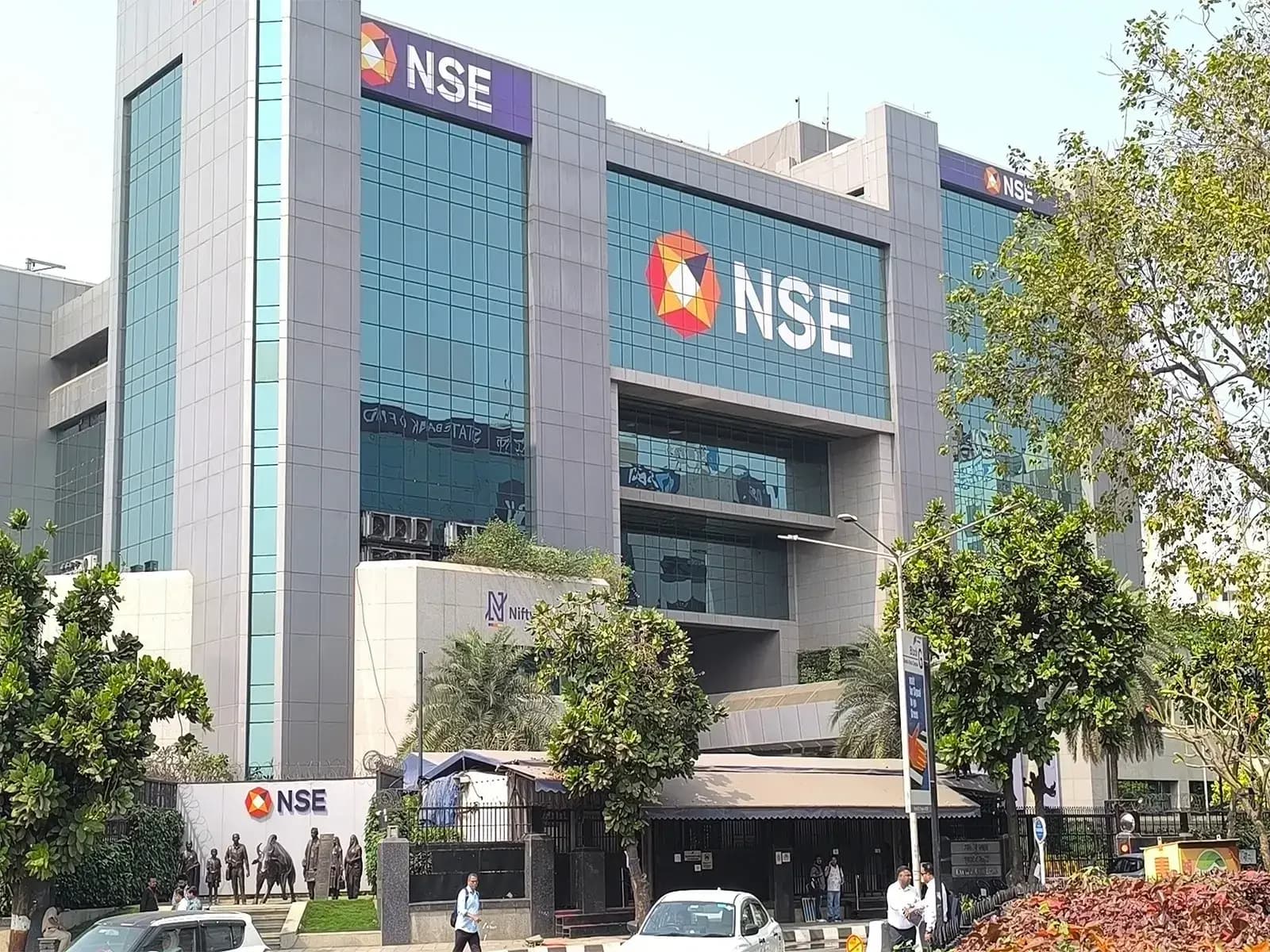
Indian stock markets ended on a weak note on 5 May 2026, with benchmark indices slipping amid global and macroeconomic concerns. The Sensex fell around 250 points and Nifty hovered near the 24,000 mark, reflecting investor concerns over rising oil prices, geopolitical tensions, and currency weakness. However, the real story of the day was the outperformance of mid-cap and small-cap stocks, with several small-cap stocks gaining sharply even as indices fell. This indicates a clear shift from index-driven to stock-specific movement, with the market showing selective strength rather than uniform decline.
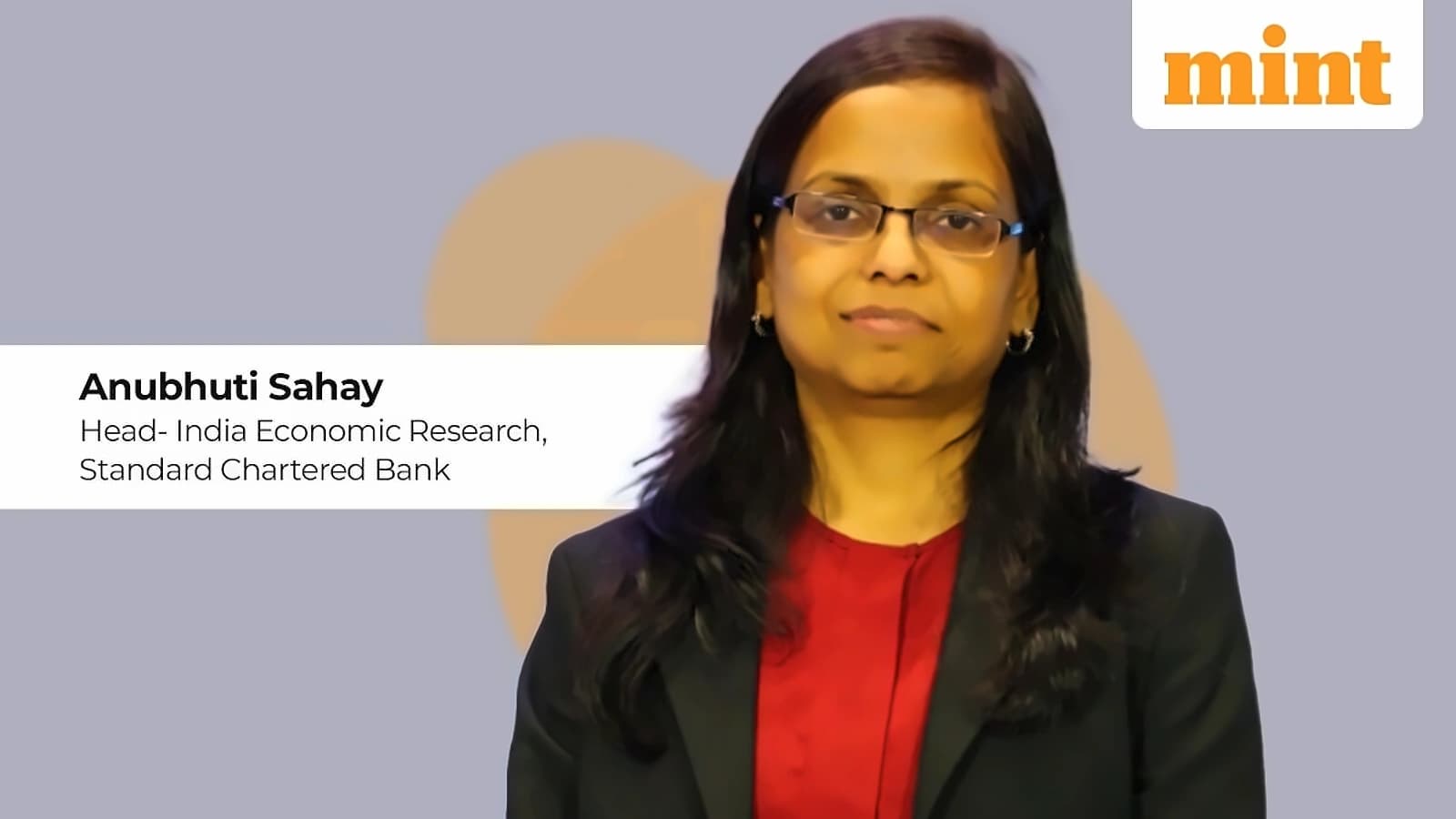
Standard Chartered Bank has revised India's FY2027 GDP growth projection to 6.4%, down from the previous forecast of 7.1%, while UBS Group AG has cut India's FY27 GDP growth forecast to 6.2%, down from 6.7%, as reported by multiple sources. According to Anubhuti Sahay, Head- India Economic Research at Standard Chartered Bank, this revision assumes an average crude oil price of $90 per barrel. The bank believes elevated crude oil prices will drag Indian economic growth momentum, with the adverse impact already evident in high-frequency indicators such as new project announcements, cargo arrivals, and increased input costs for corporates. Higher oil prices, thanks to ongoing conflict in the Middle East, are already slowing things like cargo movement and new projects, creating immediate economic headwinds.
Sahay highlighted that this year's monsoon may remain weak according to forecasts, which could drive food inflation higher along with elevated energy and fertiliser prices. As reported by multiple sources, inadequate monsoon adversely impacts both growth and inflation, though the sensitivity depends on factors such as economic strength and global growth. The UBS analysis emphasizes that a large portion of India still depends on agriculture, making monsoon performance crucial for rural demand and overall GDP growth. UBS projects inflation at 4.7%, but warns it could be higher if adverse monsoons push food inflation up amid already elevated energy prices. If the monsoon underperforms, combined with pricier energy and fertilizer, headline inflation could go above the projected 4.7%, creating additional pressure on economic growth dynamics.
Regarding monetary policy, Sahay indicated that given risks to global and domestic growth amid supply disruption and elevated energy prices, central banks including the RBI are likely to prefer supporting growth. However, any potential collapse in real rates and likely spillover of a weaker Indian rupee on inflation expectations raises the risk of a 25-50 basis points rate hike by the RBI. The Reserve Bank of India might keep interest rates steady for now, but if inflation or the rupee gets worse, a rate hike could be on the table too, according to Standard Chartered's analysis. UBS expects a possible rate hike in H2 FY27 if inflation remains high, noting that rate hikes help control inflation but also make loans expensive for home, auto, business, and real estate sectors. This creates a balancing act for policymakers between supporting growth and managing inflationary pressures.
According to the Standard Chartered analysis, while several sectors have held up well including electricity, steel, and bank credit growth, the adverse impact on growth, especially on the informal sector, is likely to be more evident when GDP data is released by the end of this month. If crude prices remain above the assumed $90 per barrel, GDP growth is likely to be even lower than the forecast due to both price effects and supply disruptions. The UBS analysis identifies oil-sensitive sectors like aviation, paints, and logistics as particularly vulnerable, while rural-driven sectors such as FMCG and tractors face pressure from weak monsoon risks. Banking and NBFCs are also affected by the rate cycle, while real estate remains sensitive to interest rate movements, creating a challenging environment for India's economic performance in the coming fiscal year. Despite these challenges, India remains one of the fastest-growing major economies globally, with structural drivers like infrastructure development continuing to support long-term growth prospects.