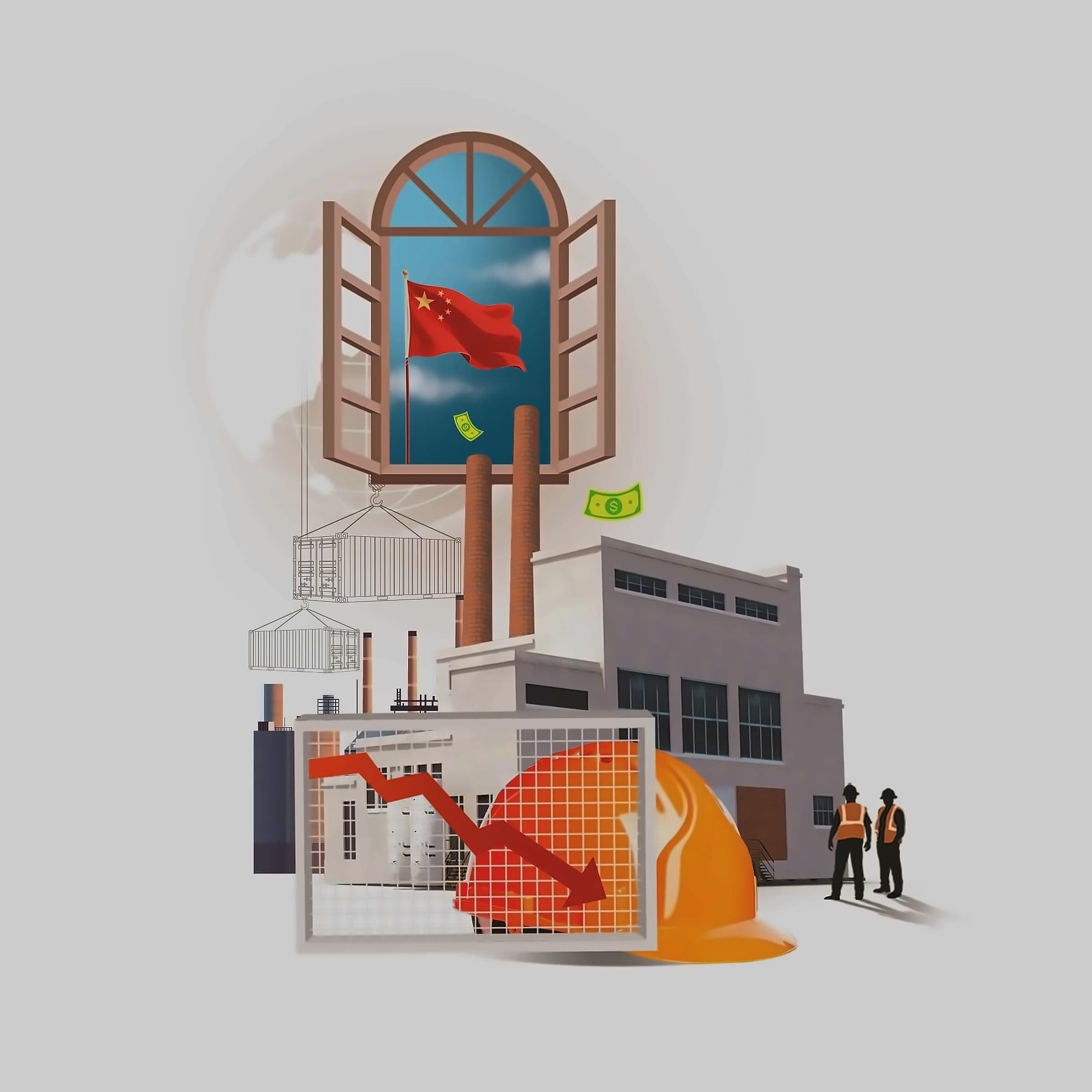



India is struggling to capture the benefits of the 'China + 1' strategy adopted by multinational enterprises to diversify their supply chains, particularly following the pandemic. According to reports from Business Standard, Southeast Asian nations have emerged as more successful beneficiaries of this strategic shift compared to India in terms of both foreign direct investment (FDI) inflows and exports of goods and services.
The data reveals a clear divergence in how different regions are capitalizing on the global supply chain diversification trend. As reported by Business Standard, Southeast Asian economies have gained ground in attracting foreign investment inflows under the China+1 strategy, while India has failed to reap the expected benefits from this strategic shift. This positioning difference highlights the competitive landscape for multinational corporations seeking alternative manufacturing and supply chain locations.
The competitive advantage extends beyond investment flows to actual trade outcomes. According to reports from Business Standard, Southeast Asian nations have demonstrated superior performance in exports of goods and services compared to India, benefiting significantly from the China+1 strategy adoption. This export performance gap reflects the success of Southeast Asian economies in positioning themselves as attractive alternatives for multinational supply chains.
The findings highlight the competitive challenges India faces in capturing the benefits of global supply chain diversification trends. As reported by Business Standard, while India seeks foreign investment inflows, it has failed to capitalize on the China+1 strategy that has proven successful for other regions. This positioning difference underscores the importance of strategic positioning in the evolving global trade landscape and the need for India to enhance its attractiveness to multinational corporations seeking supply chain diversification.