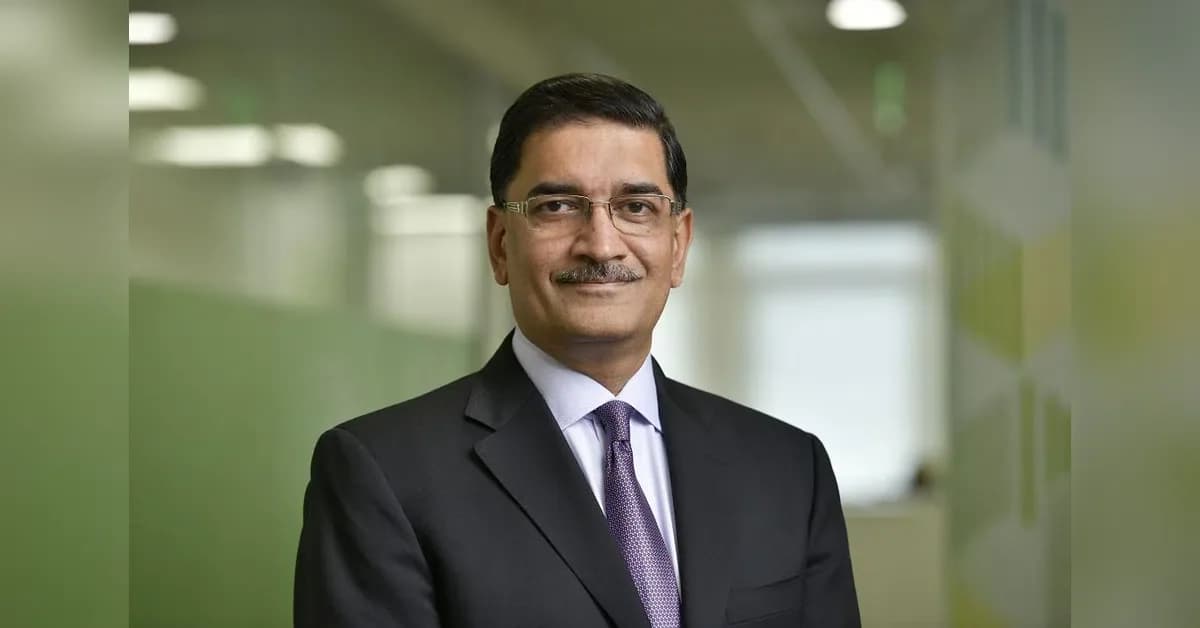
Indian companies completed 56 outbound M&A transactions worth $3.9 billion in the first quarter of 2026, marking the highest quarterly outbound deal volume on record, according to HSBC's Ajay Sharma. The momentum accelerated further in April, with companies announcing 103 M&A transactions worth $18.7 billion — the strongest monthly performance since May 2022. Among the largest deals this year was Sun Pharmaceutical's $11.75 billion acquisition of US-based Organon & Co., announced in April. As reported by Business Standard, Sharma expects this momentum to continue through 2026, supported by strong corporate balance sheets and increasing globalisation.
India demonstrated remarkable resilience during the West Asia crisis, with petrol prices rising by just 7.5% compared to nearly 14% in Germany, 19% in the UK, 45% in the US, over 50% in Pakistan and the Philippines, and almost 90% in Myanmar. The government and public-sector Oil Marketing Companies absorbed the shock, incurring ₹74,781 crore in losses on petrol, diesel, and LPG sales up to June 30 as global crude prices surged. Despite importing nearly 60% of its LPG requirements, a domestic cylinder continued to cost ₹942, significantly cheaper than in Pakistan, Nepal, and Sri Lanka. This resilience was achieved through decades of strategic relationships with Iran and Gulf partners, diversified supplier base across Russia, the US, Africa and Latin America, and a whole-of-government approach involving coordination between external affairs, petroleum, shipping, and naval ministries. The crisis again raised fears of inflation, fuel shortages and pressure on the economy, but unlike previous crises, India managed the disruption effectively through strategic planning, diversified energy supplies, strong diplomacy and coordinated governance, demonstrating greater energy resilience than expected.
Despite geopolitical tensions in West Asia, India's economy continues to demonstrate remarkable resilience through its robust services sector. India's economic growth accelerated to 7.7% in 2025-26 from 7.1% a year earlier, with the economy expanding 7.8% in the January-March quarter of FY26, compared with 8% in the previous quarter. The Reserve Bank of India in its June Monetary Policy Committee headed by Governor Sanjay Malhotra lowered its FY27 GDP growth forecast to 6.6% from 6.9%, citing rising risks from the ongoing West Asia conflict, elevated energy prices and supply disruptions. However, the IMF expects India to remain one of the world's fastest-growing major economies, projecting 6.4% growth in FY27 and accelerating to 6.7% the following year. The resilience stems from strong consumer spending, booming automobile sales, rising FMCG demand, and resilient services that continue to generate business activity despite global uncertainties.
Despite geopolitical tensions in West Asia, Indian companies' overseas expansion plans remain on track due to structural factors including China+1 supply chain shifts, export opportunities from free trade agreements, and the need to be closer to customers and markets, according to Sharma. The United States remains the preferred overseas destination for Indian mid-market companies, followed by the United Kingdom and Europe, where recently concluded FTAs are creating new opportunities. Interest is also rising in Saudi Arabia and the broader Gulf Cooperation Council (GCC) region, supported by infrastructure investment and economic diversification programmes. Companies are also exploring Southeast Asian markets such as Thailand and Indonesia, as well as Latin America. This expansion strategy reflects India's broader energy diversification efforts, which have proven crucial during recent geopolitical tensions and can become an important pillar in achieving the vision of Viksit Bharat.
Outbound activity is spread across a broad range of sectors, with the most active including technology and IT services, industrials and automotive, pharmaceuticals and life sciences, chemicals, manufacturing, and electronics manufacturing services (EMS). Sharma noted that companies are increasingly using overseas acquisitions as strategic tools for capability building, technology integration, and global market access. On financing, companies now have access to foreign currency term loans through overseas subsidiaries backed by guarantees from the Indian parent, external commercial borrowings (ECBs), overseas bond issuances, and revolving credit facilities. The Reserve Bank of India's framework permitting rupee financing for eligible overseas acquisitions has further expanded financing options, as demonstrated by the recent Waaree Renewable Technologies Ltd transaction.