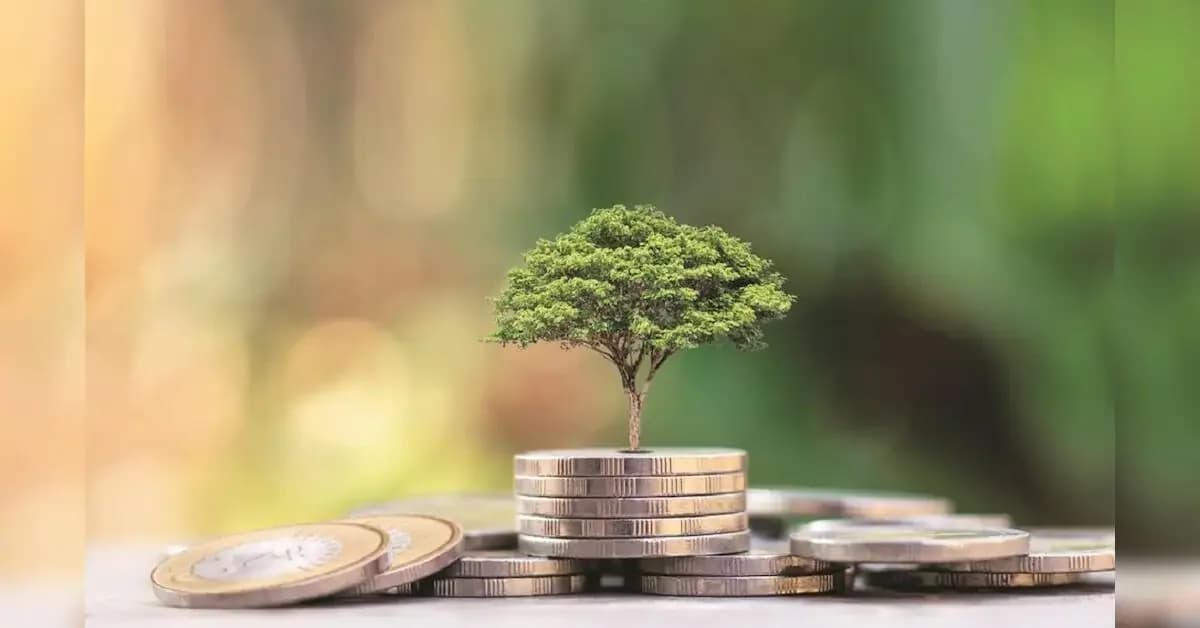
A Confederation of Indian Industry (CII) taskforce has proposed a dedicated green finance institution to help India mobilise climate capital at scale, providing crucial support for Modi's Viksit Bharat 2047 strategy. The report, released by former Union minister Jayant Sinha, argues that India will need more than incremental tweaks if it wants to mobilise the capital required for its sustainability and net zero ambitions. The proposal goes beyond a single institution, calling for a clearer climate finance taxonomy, a stronger and more sector-specific sustainability reporting regime, and a framework that can bring domestic and global investors into climate-aligned projects with greater confidence. The CII taskforce emphasizes that the current system is still too fragmented to channel capital at the scale India will need over the next decade.
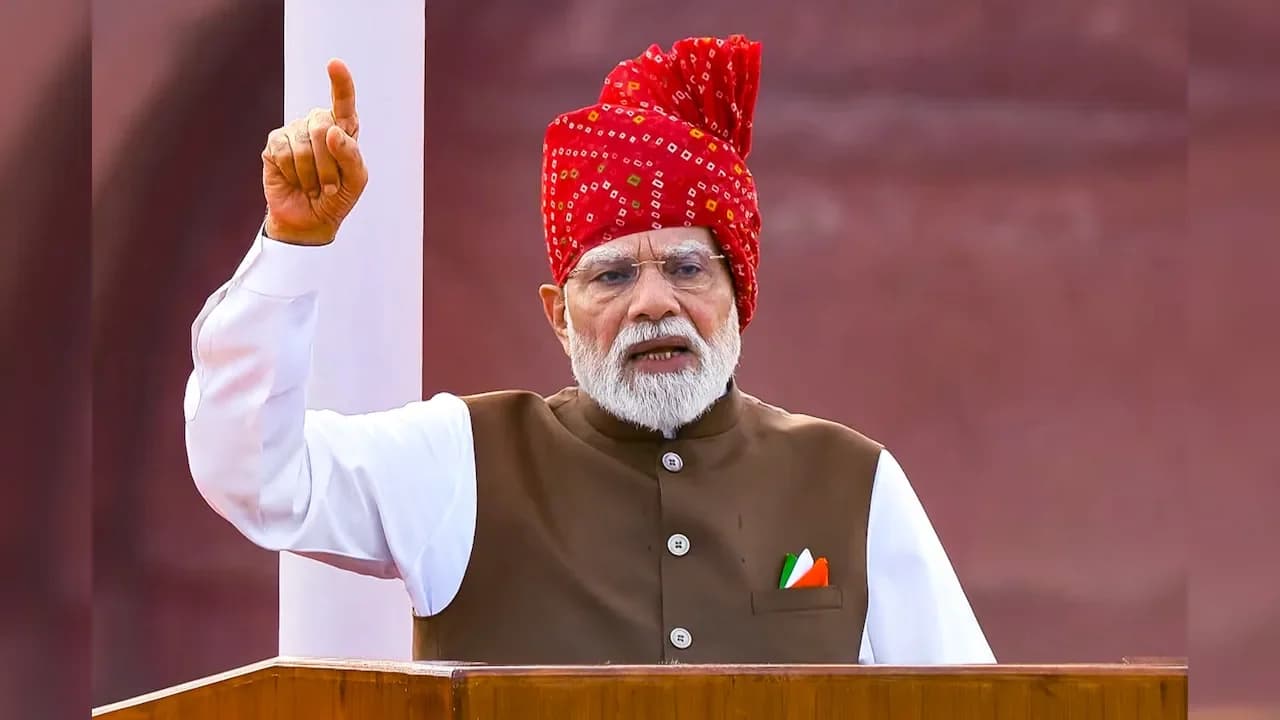
Prime Minister Narendra Modi outlined Shakti ki Saptadhara—seven 'streams of power' as the path to Viksit Bharat by 2047 in his 12th Independence Day address from Red Fort on August 15, 2026. The comprehensive framework prioritizes Manufacturing Power as its foundation, followed by Agriculture and Food Processing, Technology and Innovation, Gati Shakti (Infrastructure Power), Raksha Shakti (Defence Power), Green and Blue Economy, and Soft Power. This integrated approach aims to enhance India's comprehensive national power through strategic autonomy built on robust domestic capabilities. The framework balances Atmanirbharta (self-reliance) with Vasudhaiva Kutumbakam - the civilizational principle that the world is one family, positioning India as capable and trusted to contribute meaningfully to global prosperity.
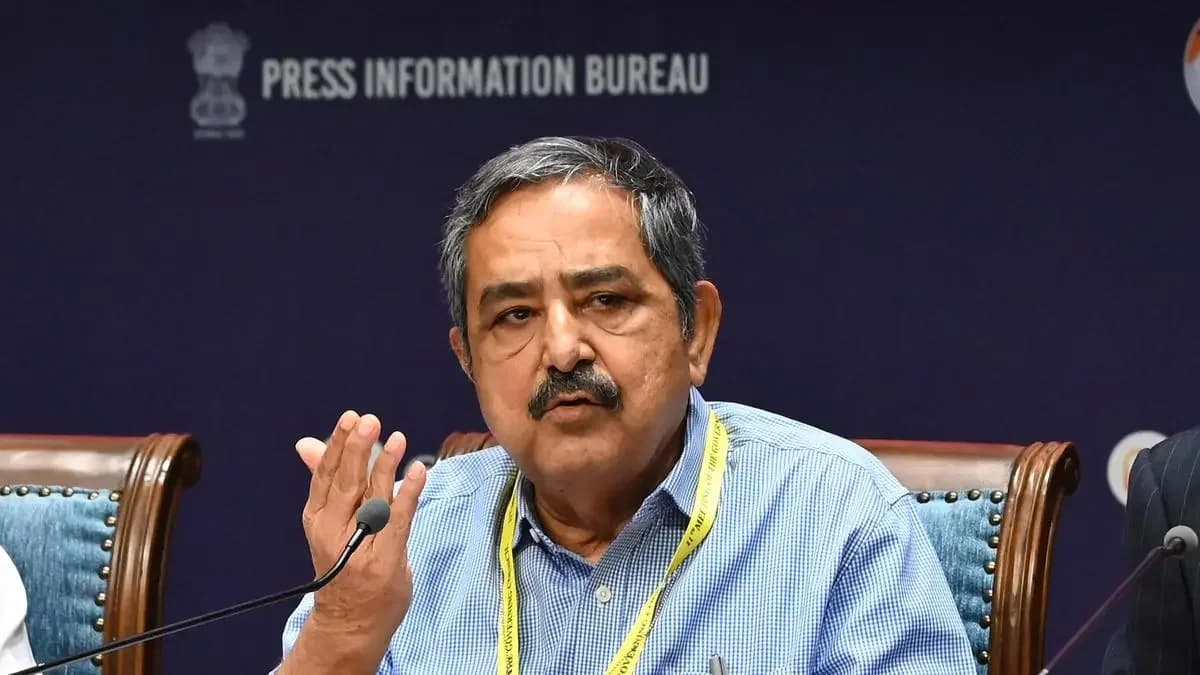
India's next major economic challenge lies not in growth but in manufacturing at scale, according to NITI Aayog Vice-Chairman Ashok Kumar Lahiri. Speaking at the Global Financial Forum, Lahiri noted that while the Indian economy is performing reasonably well, the recent rise in manufacturing's share of GDP is encouraging but insufficient. He emphasized that India needs much more manufacturing with scale, citing China's enormous manufacturing capacity as a benchmark that India must acquire through increased investments. Recent GDP data shows that while manufacturing's share has increased, it remains significantly below the scale required for sustained economic development. Modi's Independence Day speech highlighted that manufacturing currently accounts for approximately 17-18% of India's Gross Value Added (GVA) in real terms, but significant challenges persist in achieving economies of scale and remaining reliant on import-intensive supply chains.
Lahiri highlighted India's shallow credit market as a significant constraint on investment growth. According to his statements, credit-to-GDP ratio stands at only 53-55% in India, compared to 150-170% in economies like China and Singapore. He stressed that investments must be stimulated through more credit and creditworthiness with proper risk evaluation, noting that this represents a critical gap that needs addressing for sustained economic growth. The NPAs in the banking sector are very low, but this has led to overcautious lending practices that need to be balanced with appropriate risk assessment.
The second stream seeks to transform agriculture from a primarily subsistence-oriented activity into a globally competitive, high-value sector integrated with food processing and international markets. India is currently the world's second-largest agricultural producer and leads in the production of pulses, jute, and rice. Food processing presents a significant opportunity for growth, with the sector projected to expand at a compound annual growth rate (CAGR) of approximately 12.5%, potentially reaching USD 700 billion by 2030. Integrating agriculture with processing, branding, logistics, and exports can substantially increase farmers' incomes and reinforce India's food security. India's growing network of Free Trade Agreements, totalling 15 as of June 2026, offers new opportunities to introduce Indian agricultural products to global markets. Traditional foods, spices, chemical-free produce, and millets have the potential to become internationally recognised Indian brands, as demonstrated by the success of Desi Tesi, a Thekua brand established by 20-year-old Tilak Pandit from Bihar.
Investment as a proportion of GDP has increased from around 30% to about 34% based on first-quarter data, according to Lahiri's statements. He stressed that this increase needs to be sustained and that countries like China and South Korea invest substantially more than India currently does. Modi's Independence Day speech outlined ambitious manufacturing targets, with the overarching goal to increase manufacturing's share of GDP to 25% by 2035, create approximately 143 million jobs, and achieve around USD 1.2 trillion in merchandise exports. Government initiatives including the Production Linked Incentive (PLI) scheme, Jan Vishwas Acts, TReDS, and Make in India are designed to strengthen the manufacturing ecosystem, with the aim extending beyond expanding domestic production to positioning India as a reliable global manufacturing and export hub.
The technology stream emphasizes Aadhaar/UPI/CoWIN as proof of scale, with the next bets being AI, chips, quantum, and space technologies - the 'chips to ships' approach. Defence capabilities have shown remarkable growth, with defence output increasing from ₹46,000 crore in 2014 to ₹1.78 lakh crore currently. Key developments include Tejas, BrahMos, Vikrant, Agni-V, and UP/TN corridors. The renewable energy sector has expanded to 274.68 GW as of June 2026, with a target of 500 GW by 2030, while the SHANTI Act aims at 100 GW nuclear capacity. The blue economy strategy includes 11,099 km coast and Sagarmala initiatives.