India is preparing for a wider-than-expected budget deficit this year as the Iran war raises fuel subsidy costs and pressures government finances, according to Bloomberg News reports. The country is willing to let the budget gap widen by as much as 50 basis points to 4.8% of GDP compared with the 4.3% target for this fiscal year that started on April 1. As per the report, authorities are keeping their options open and plan to reassess the fiscal outlook later this year when there is more clarity on non-tax revenues and subsidy needs. The government is also evaluating possible spending cuts across ministries to contain the deficit.
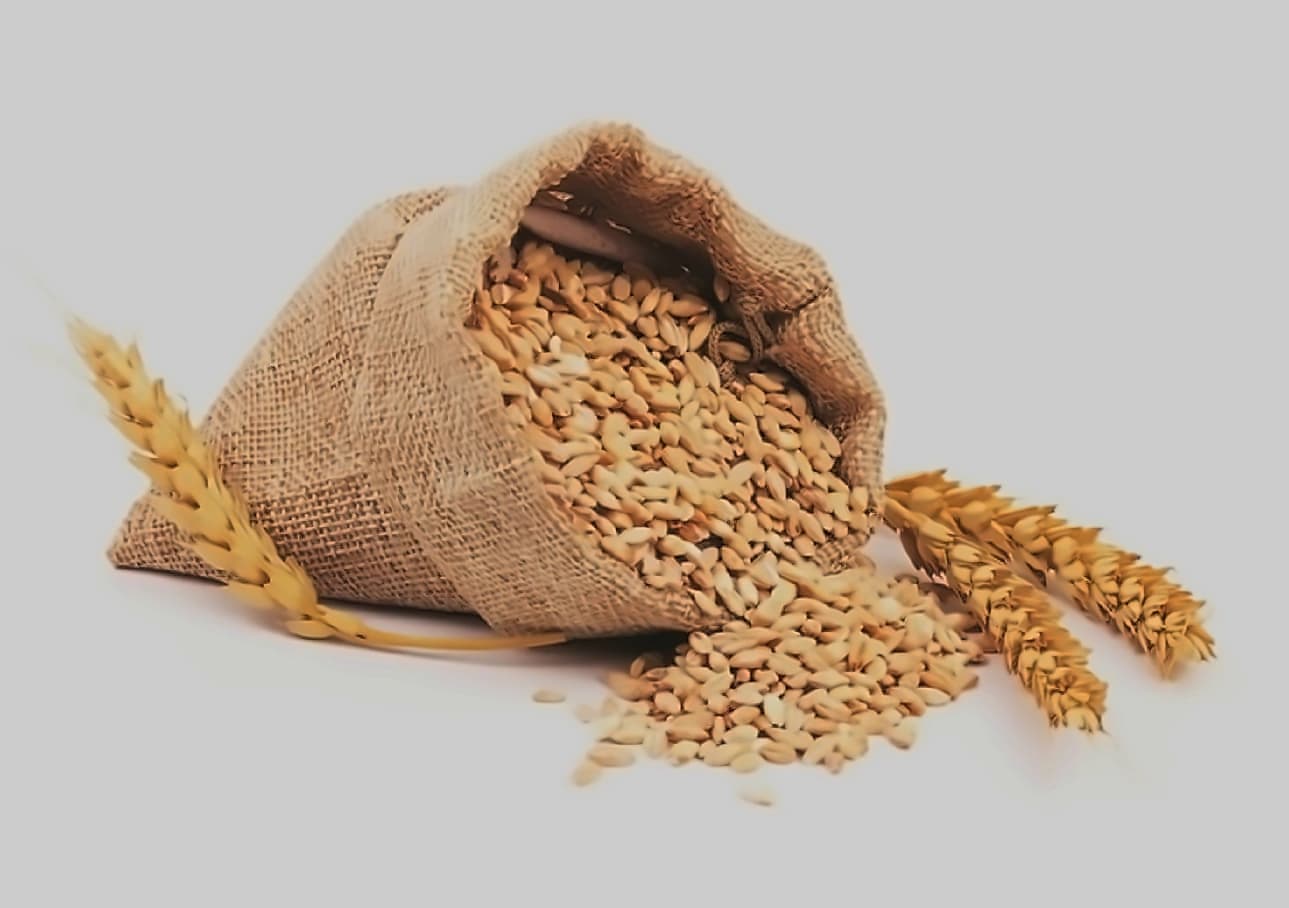
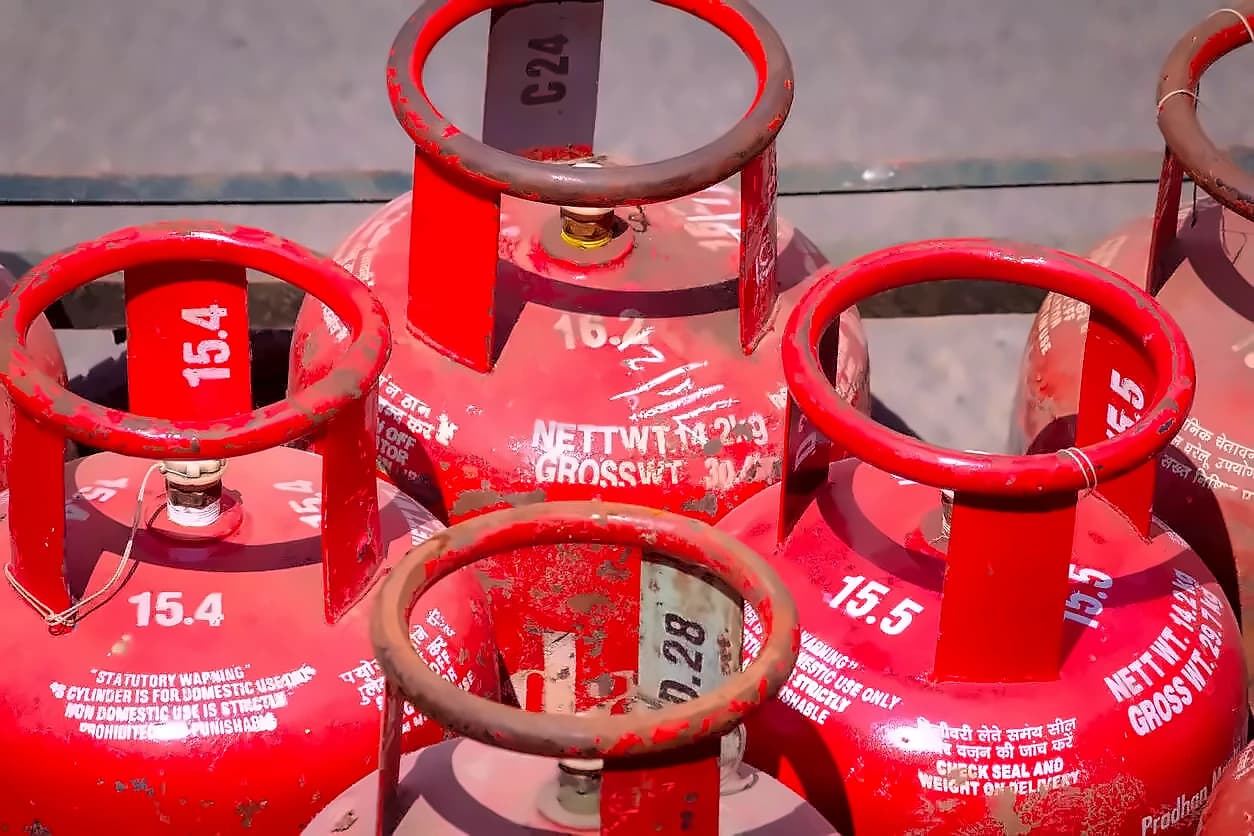
India's food subsidy bill for 2026-27 (FY27) is likely to touch ₹2.5 trillion, representing a significant increase from the Budget estimate of ₹2.28 trillion, according to reports from Business Standard. This projection comes as the Centre prepares for the upcoming fiscal year while maintaining fiscal discipline measures. The budget had allocated ₹2.27 lakh crore for food subsidy and ₹12,084.51 crore for cooking gas subsidy, with the government establishing an Economic Stabilisation Fund with ₹1 lakh crore corpus to handle external shocks. The government has also cut subsidies on cooking gas cylinders for households to manage rising costs.
The department of fertilisers has sought a 100% increase in fertiliser subsidy allocation to around ₹3.42 lakh crore for 2026-27, double the budget estimate of ₹1.71 lakh crore, as global supply disruptions and price volatility from the West Asia conflict drive up import costs sharply. As per government officials, the scale of the crisis is visible in per-unit terms, with import costs per bag surging to approximately ₹3,000 while domestic supply is at around ₹300 per bag, creating a subsidy requirement of ₹2,700 per bag. India imports fertilisers in large quantities from West Asia, Gulf, and North Africa, with most transiting the Strait of Hormuz now disrupted by the conflict. The government's fertiliser subsidy is likely to jump 20% in the fiscal year, according to government officials.
The government has absorbed approximately ₹1.20 lakh crore in costs to shield consumers from steeper fuel price hikes by state-run oil marketing companies over 78 days, according to senior officials. This includes the excise duty cut of ₹10 per litre on petrol and diesel announced on March 27, costing the exchequer approximately ₹14,000 crore per month, along with other support measures to offset mounting under-recoveries during the price freeze period. Higher crude prices and supply disruptions after the closure of the Strait of Hormuz have hit India, prompting state retailers to raise petrol and diesel prices by about 8%. The country, the world's third-largest oil importer and consumer, is one of the countries most-exposed to prolonged Iran war-related disruptions to global energy supplies, as it ships in about 90% of its oil.
Despite the surge in subsidies, senior officials maintain that the fiscal deficit target of 4.3% of GDP for 2026-27 remains intact, supported by active non-tax revenue mobilisation through disinvestment and asset monetisation with a target of ₹80,000 crore. India's GDP grew 7.7% in 2025-26 with 7.8% growth in the fourth quarter, and first-quarter output for fiscal 2027 is expected to hold at similar levels. The government remains committed to its reform course and capital expenditure plans for FY27, with domestic consumption continuing to propel the economy, though El Niño and deficient monsoon risks remain contingent threats.