India's retail inflation accelerated to 3.48% in April 2026, marking a significant increase from 3.40% recorded in March and representing the highest inflation rate seen in over one year, according to provisional data released by the National Statistical Office (NSO). This represents the third consecutive month of inflation increases, with the latest reading coming in below a Reuters projection of 3.8%. Despite the latest rise, inflation remains below the Reserve Bank of India's medium-term target of 4%, even as inflationary pressures linked to the West Asia conflict continue to build. The April reading marked the highest inflation print under India's revamped CPI series launched earlier this year with a revised consumption basket and new base year.
According to a comprehensive report by State Bank of India, the ongoing conflict in West Asia has not yet had a major impact on India's retail inflation, though future price trends will depend on fuel costs, crop coverage and global supply conditions. The report identified three key factors that will shape inflation trajectory: the pass-through of higher energy prices to retail prices, progress of area coverage under summer crop (which as of May 8 showed a reduction of 3 lakh hectares), and any large individual inflation movements on the negative side. Despite geopolitical uncertainty and rising global energy prices, SBI retained its CPI inflation forecast for FY27 at 4.5%. The bank noted that imported inflation, which has a weight of 21.84% in the CPI basket, eased slightly to 6.34% in April from 6.49% in March, with the weighted contribution remaining stable at 1.42%.
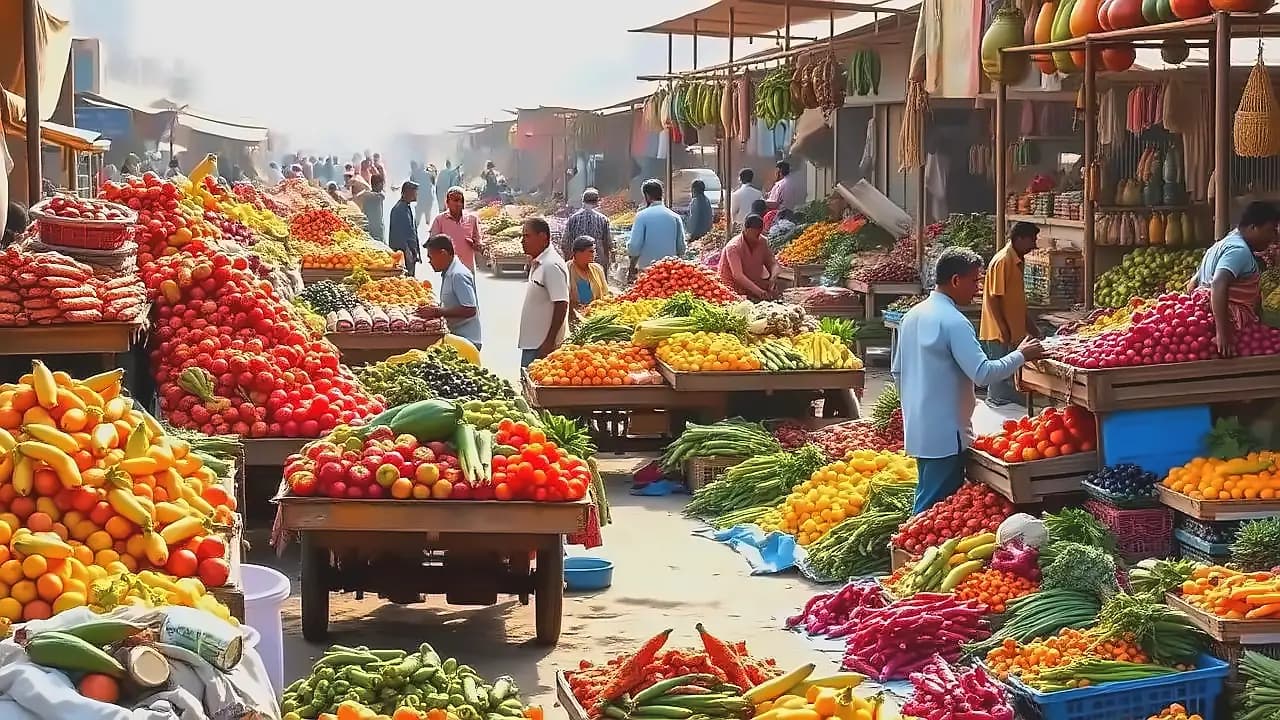
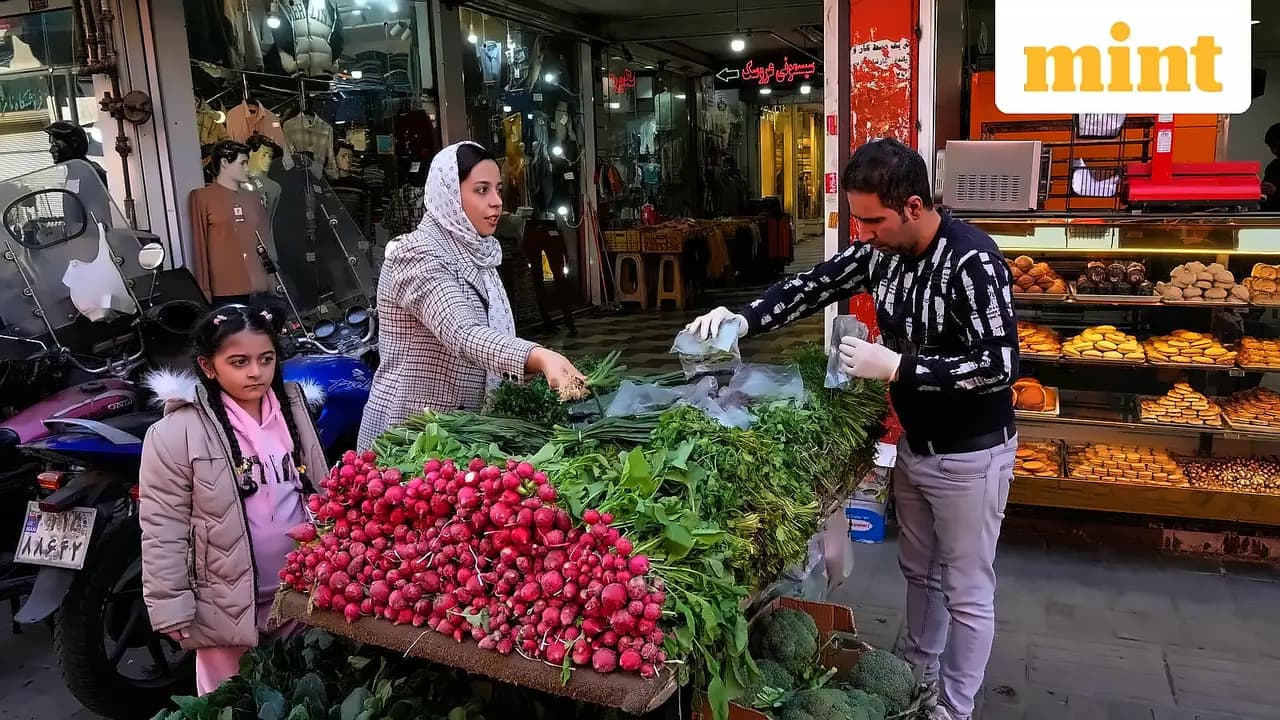
Food inflation, measured by the Consumer Food Price Index (CFPI), increased to 4.20% in April from 3.87% in the previous month, indicating some relief from broader price pressures across household essentials. According to SBI Research, food inflation increased to 4.01% in April 2026 from 3.71% in March 2026, with the rise being driven by items that form the core of most Indian kitchens. The report highlighted that chicken, milk, refined oil, and mustard oil are the major contributors to this inflationary pressure. Among key food items, tomato prices surged 35.28% year-on-year in April, while potato and onion prices remained in deflation at minus 23.69% and minus 17.67% respectively, as reported by The Times of India. The food index rose 4.2% in April, above the 3.9% recorded in the preceding month, with rural food inflation accelerating faster than urban areas. Inflation in rural India stood at 3.74%, higher than the 3.16% recorded in urban areas, with food inflation being higher in rural areas at 4.26% compared to 4.10% in urban regions.
Core inflation, after stripping out food and fuel, has remained below 4%, with the latest data showing only modest increases. As per Piramal Finance chief economist Debopam Chaudhuri, "core inflation also rose only modestly, suggesting that manufacturers across sectors such as plastics, pharmaceuticals, and personal care products continue to absorb a significant part of the increase in input costs." SBI Research noted that core CPI remained almost flat at 3.41% in April 2026, explaining why overall inflation numbers appear stable even as households feel increasing strain in specific spending areas. Restaurant services saw sharp acceleration in inflation to 4.2% from 2.9% during this period, attributed to higher LPG prices for these establishments leading to increased charges. Transport inflation remained flat at -0.01%, reflecting softer fuel-linked costs. The Reserve Bank of India had last month projected CPI inflation for 2026-27 at 4.6% and warned that elevated energy prices due to the Middle East conflict and possible El Niño conditions could pose upside risks to inflation going forward.
As inflation rises, India's economic growth is also projected to slow, with real gross domestic product (GDP) estimated to grow by 7.6% during 2025-26, according to the Second Advance Estimates (SAE) of the new GDP series with 2022-23 as the base year. The RBI expects GDP growth to moderate to 6.9% in FY27, while the Asian Development Bank has also projected growth at 6.9% for the current fiscal year, and the World Bank has estimated India's GDP growth at 6.6%. India has retained its retail inflation target at 4% (within a 2%–6% band) for the five-year period from 1st April 2026 to 31st March 2031. The new CPI series has recalibrated weights, slightly increasing headline inflation readings with the share of core items rising by around 10 percentage points and the influence of volatile food prices reduced, providing policymakers with a more contemporary basis for evaluating real incomes and consumption patterns.