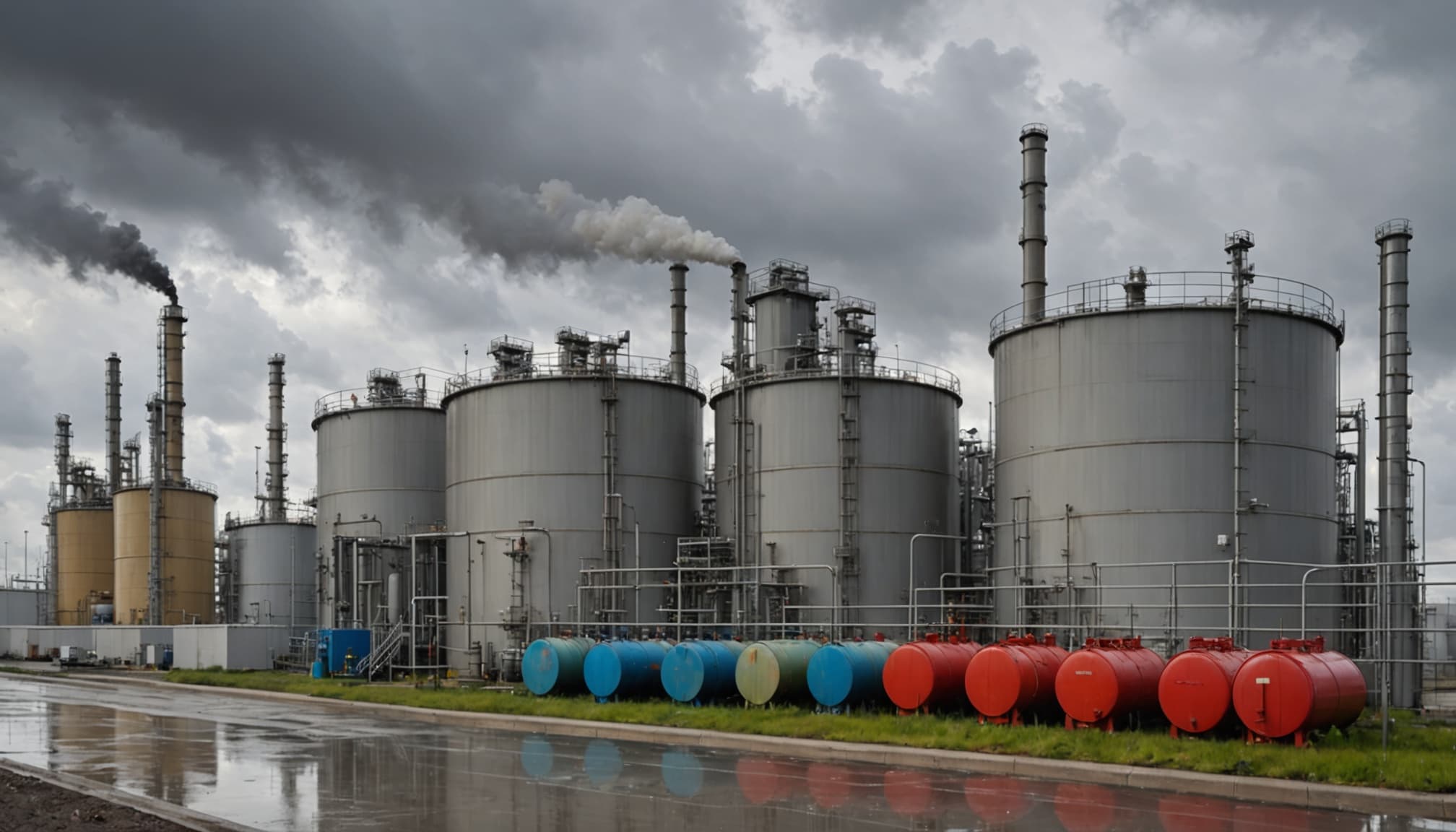
India's crude oil sourcing underwent a dramatic transformation in June, with Russian barrels accounting for nearly half of the country's total imports. Purchases from Russia climbed 17% month-on-month to a record 2.6 million barrels per day (bpd), lifting Moscow's share of India's crude import basket to 46%. This represents a stark shift from pre-2022 patterns, when Russian crude typically represented less than 1% of India's oil imports. The Middle East's share of India's total crude imports dropped to a record low of 38%, as Iraq slipped to second place with shipments of 995,000 bpd during the month, while Saudi Arabia ranked third at 500,000 bpd. The energy crisis was particularly severe during the Middle East war, with India facing major disruptions due to restrictions on the Strait of Hormuz during the conflict between the United States and Iran.
India is responding to the biggest energy supply shock in decades through aggressive domestic exploration initiatives. Oil Minister Hardeep Singh Puri announced that India is currently bidding out approximately 250,000 square kilometres of unexplored area as part of the 'Samudra Manthan' mission. The country faces a critical supply-demand imbalance, with domestic crude production meeting only 10% of India's needs, equivalent to roughly 522,000 barrels per day. India survived the Middle East war-induced energy crisis by expanding its crude suppliers from 27 to 41 countries, including Iran, Venezuela, greater purchases from Russia and several African nations. However, the energy consumption challenge remains severe, with demand growing at three times the pace of the rest of the world, jumping from 5 million barrels per day in 2021 to about 5.6 million barrels per day today. With a temporary US-Iran deal in place to pause hostilities, oil and gas shipments are flowing through the Gulf waterway again, and restrictions and price hikes in India are being rolled back.
The government has committed $10 billion to oil and gas exploration, with Puri describing it as "a very capital intensive and time-consuming process" but expressing "exceptional bullishness" for the future. The initiative focuses on the Andaman Basin, described as an "ocean of energy opportunities" with large number of deepwater and ultra-deepwater exploration wells planned. India is working with international experts including Petrobras, TotalEnergies, BP, Shell and ExxonMobil on offshore exploration. The government has also launched a $9 billion Great Nicobar Island Project to build a megaport, airport and city, creating a strategic base on the remote island. This represents a significant escalation from India's modest production of 25.98 million metric tonnes in 2025-2026, which meets just 10% of domestic needs. The push pre-dates the Middle East war, with Hindu-nationalist Prime Minister Narendra Modi launching the "Samudra Manthan" mission during Independence Day in August 2025, referring to the Hindu mythology of ocean churning.
Discounts on Russia's flagship Urals crude have widened to more than $10 per barrel against dated Brent for deliveries to India ports, according to Reuters reports. This marks a sharp shift from the premiums seen just a few months ago as refineries scale back purchases amid improving supply from other producers. Weaker refining margins in Asia and a rise in alternative crude supplies from the Middle East and Iran have reduced demand for Russian oil, pushing sellers to offer steeper discounts to attract buyers. The latest pricing marks a reversal from the March-June period, when Urals crude traded at a premium due to supply disruptions caused by tensions in the Middle East. With oil exports from the region recovering and more cargoes becoming available, Indian refiners now have a wider range of sourcing options, reducing their dependence on Russian barrels. Russia has also increased crude exports as domestic refinery runs declined following repeated Ukrainian drone attacks on refining infrastructure, adding more barrels to the export market.
According to reports from Business Standard, the government has acknowledged that oil marketing companies (OMCs) have suffered underrecoveries worth ₹2.19 trillion from selling petrol, diesel, and liquefied petroleum gas (LPG) until June 30. The OMCs' losses stood at ₹74,781 crore, highlighting the significant financial burden on these commercial public-sector undertakings. The government's decision to forgo revenue or prevent OMCs from fully adjusting prices has not addressed the underlying problem, as reported by Business Standard.