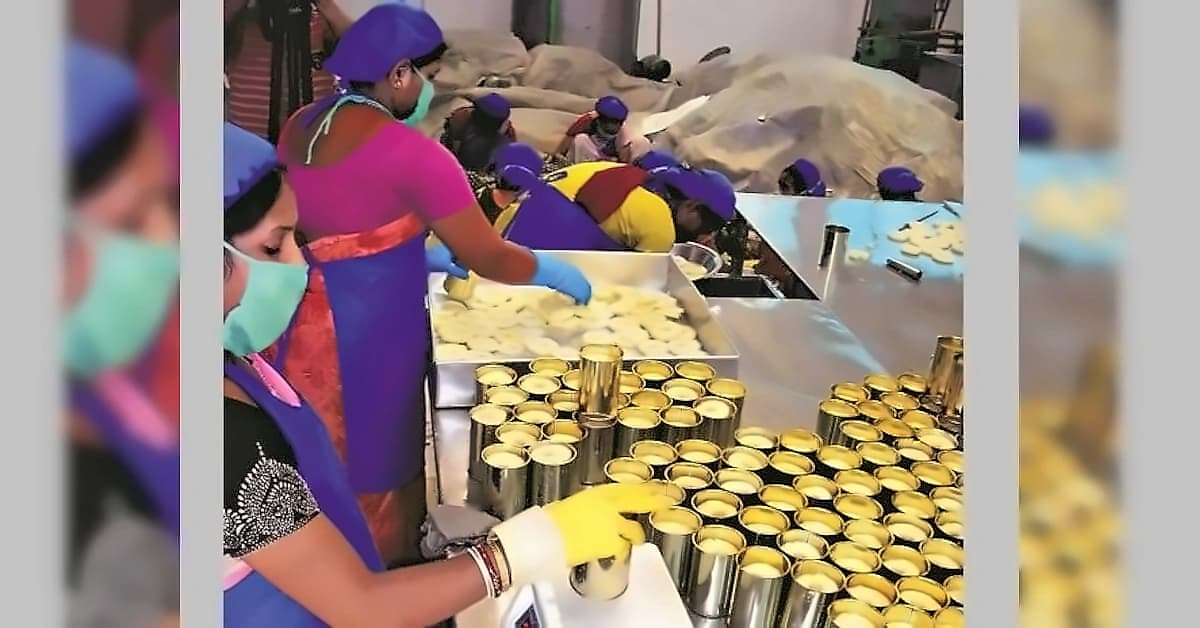
The government has significantly boosted support for India's food-processing sector through enhanced budget allocations and policy measures. Budget allocation for the Ministry of Food Processing Industries has been increased, with Production Linked Incentive Scheme for Food Processing Industry (PLISFPI) receiving additional support. Under the National Agriculture Market (e-NAM), Agricultural Marketing Infrastructure (AMI) and Agriculture Infrastructure Fund (AIF), interest subvention support has been extended to Enhanced Financial Support for Food Processing. These measures build upon existing supportive policies including 100% FDI through automatic route and benefits under the production-linked incentive scheme, with the sector having received cumulative FDI of $16.15 billion since 2000.
India's food-processing industry has demonstrated strong growth with annual growth consistently exceeding 7%, significantly outpacing the manufacturing sector's 6% growth rate. According to reports from Business Standard, the sector's present worth is estimated at ₹382 billion, with projections to reach over ₹600 billion by 2030. However, the industry currently handles only 12-14% of food output, compared to 35% in developing countries and 48% in developed nations. The sector faces substantial challenges with food wastage reaching 40-50% during various stages of the post-harvest value chain, resulting in estimated annual losses of ₹1.55-2 trillion.
Despite India's position as the world's second-largest producer of horticultural products with 387 million tonnes output in 2025-26, less than 2% of horticultural output undergoes post-harvest treatment. As reported by Business Standard, in the dairy sector, only 20% of milk output is processed into value-enriched products, with the remainder marketed as raw milk through unorganised routes. The fishery sector shows similarly low processing levels, while spices, despite India being the world's largest grower, are primarily marketed without processing beyond cleaning, grinding and packaging. These gaps highlight the need for improved preservative treatments to achieve objectives like reducing wastage and enhancing consumer appeal.
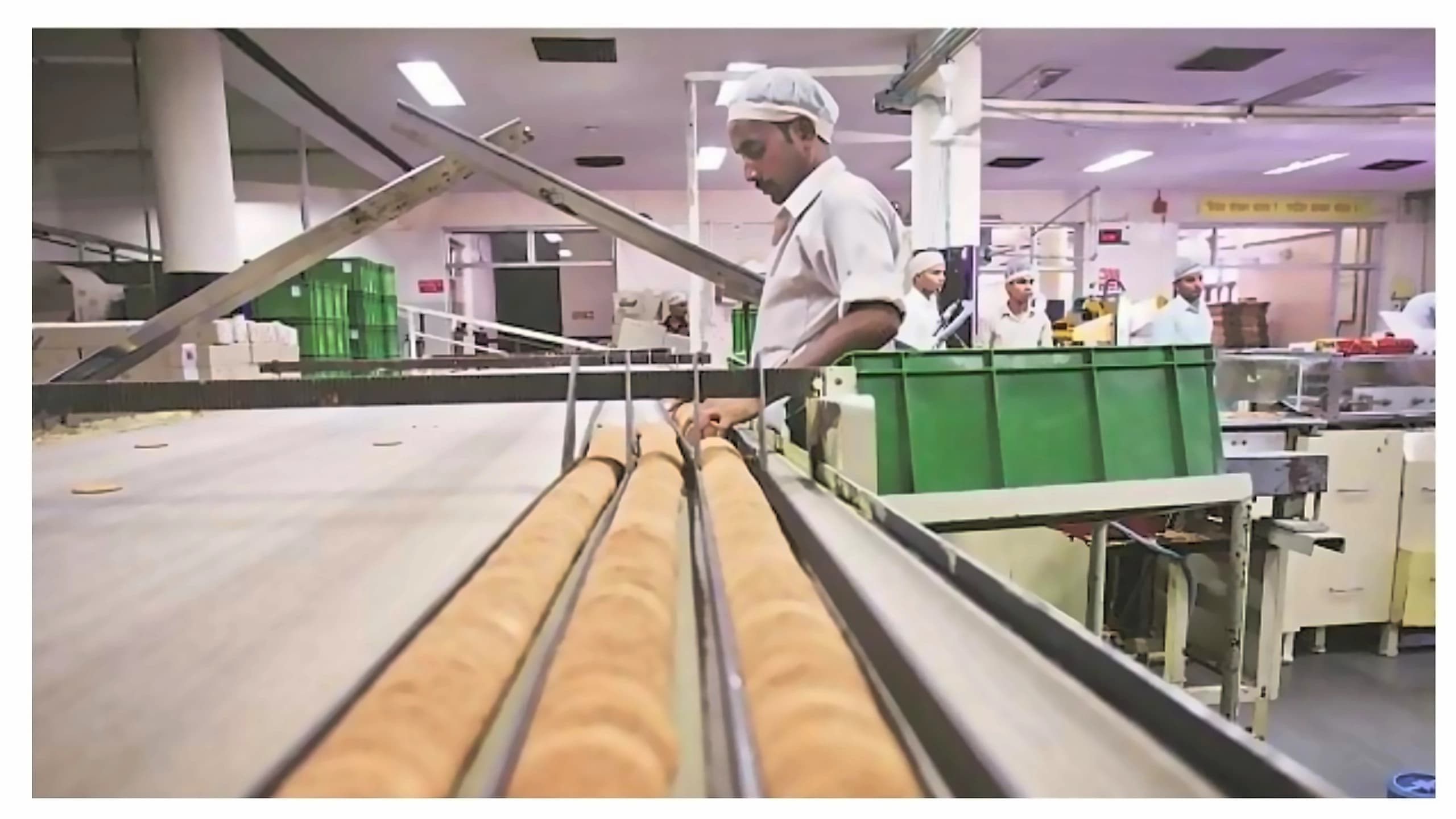
The government has implemented supportive policy measures including 100% FDI through automatic route and benefits under the production-linked incentive scheme. According to Business Standard reports, the sector has received cumulative FDI of $16.15 billion since 2000. The government has set a target to increase food-processing levels to 25% by 2030, though this target may need revision given current processing levels. Under the Pradhan Mantri Kisan Sampada Yojna (PMKSY), the value of agricultural exports has increased significantly, while the Digital Agriculture Mission and Krishi Vigyan Kendras (KVKs) have strengthened agricultural infrastructure and knowledge dissemination.
Several structural challenges impede sector growth, including restrictive state laws on agricultural produce marketing that bind processing companies to procure from regular mandis rather than direct producer purchases. As reported by Business Standard, other barriers include bar on contract farming and inadequate refrigerated transportation and cold-storage capacity. These reforms are essential to attract greater investment in food-processing units, particularly those producing convenient ready-to-consume products. The industry's transformation requires addressing these regulatory constraints to achieve the projected expansion driven by branded, processed, and premium food products.