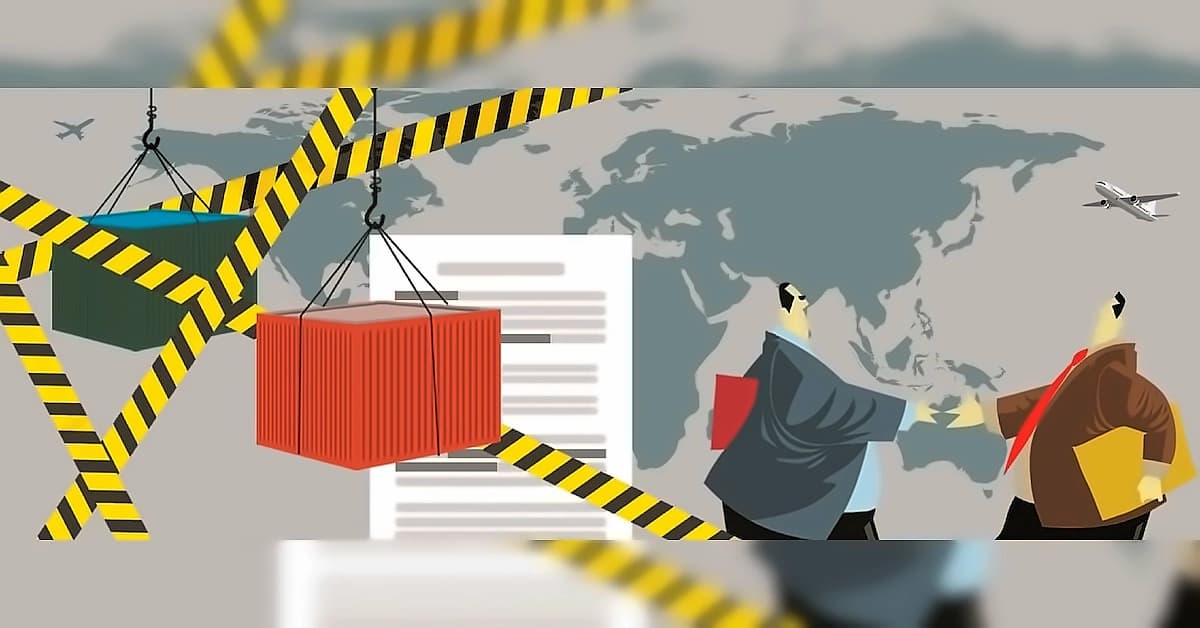
Geopolitical risk is increasingly moving from the periphery to the boardroom agenda, according to reports from Business Standard. For decades, boards treated geopolitics as something outside their purview, with governments and diplomats handling these issues while risk teams monitored developments. However, tariffs imposed by the United States have changed the economics of export businesses almost overnight, while sanctions have cut companies off from markets they may have operated in for years. The US-Iran conflict has demonstrated how quickly geopolitical tensions can disrupt shipping routes, energy supplies, and critical supply chains, fundamentally altering business operations.
The European Union's Carbon Border Adjustment Mechanism (CBAM) exemplifies how regulatory changes can materially affect business operations, as reported by Business Standard. This mechanism puts carbon costs on imports of products such as steel, aluminum, cement, and fertilizers, with Indian exporters' carbon intensity of production increasingly affecting their competitiveness in Europe. Technology controls can also restrict access to important components and equipment, while regulations in one market can alter the economics of investments elsewhere. These developments show that geopolitical risk extends beyond traditional conflicts to include regulatory and climate-policy changes that can affect investment value and business viability.
Boards now face the challenge of understanding critical dependencies across countries, suppliers, customers, technology, raw materials, and logistics routes, according to Business Standard reports. The focus has shifted from monitoring to scenario planning for potential disruptions such as inaccessible suppliers, disrupted shipping routes, or sharp tariff increases. Companies must diversify suppliers, maintain alternative manufacturing capacity, hold critical inventories, and establish clear crisis protocols to address these vulnerabilities. Resilience usually has a cost, but the question is whether that cost is justified by the vulnerability it addresses.

For Indian companies, geopolitical integration is becoming increasingly relevant as India seeks to become a larger manufacturing and investment destination, as reported by Business Standard. Separate board surveys by EY and Deloitte suggest that geopolitical risk remains under-discussed, with only about a third of boards reviewing it more than once a year. Increasingly, boards are calling for more frequent reviews, including quarterly discussions to stay informed about developments that could affect business operations. Large-cap and mid-cap companies are broadly similar in assigning primary responsibility to the full board, while mid-cap companies rely more heavily on the audit committee for oversight.
Boards are increasingly supplementing internal updates with external advisers and subject-matter experts to enhance their understanding of geopolitical developments, according to Business Standard reports. Periodic briefings and scenario exercises help directors understand not just what is happening, but how different developments could affect the business. The board's role is to ensure geopolitical developments are translated into business consequences, including supply chain impacts, margin effects, customer implications, and regulatory changes for overseas investments. Boards cannot control geopolitical events, but they can determine whether the company understands its vulnerabilities, has tested its response, and is prepared to act when circumstances change.