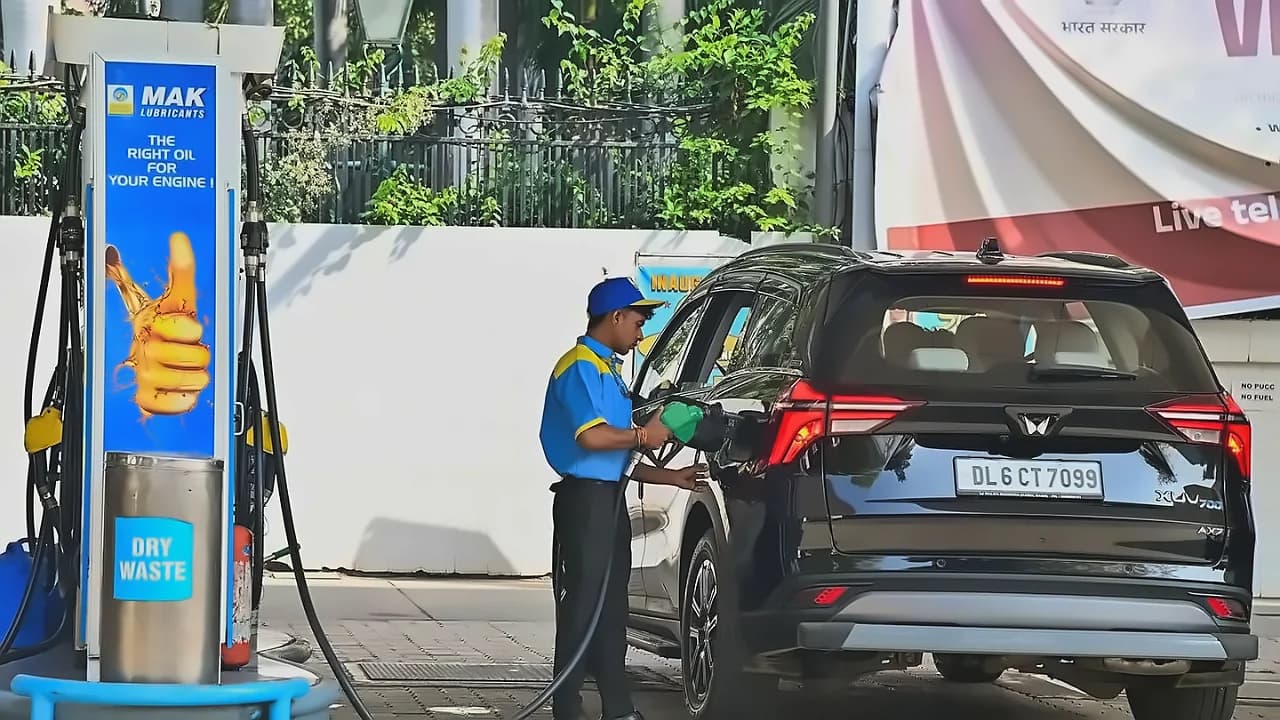
State-run Oil Marketing Companies (OMCs) implemented significant fuel price hikes on Monday, raising petrol prices by ₹2.61 per litre and diesel rates by ₹2.71 per litre. According to reports, this marks the fourth fuel price increase over the past fortnight, demonstrating the accelerated pace of price adjustments in the current market environment. The latest hike came on Monday, 25 May, with the cumulative increase now standing at ₹7.5 per litre since daily rate revisions restarted on May 15 after remaining unchanged for an extended period. Among metro cities, Hyderabad recorded the highest petrol price at ₹115.73 per litre after an increase of ₹2.88, while Thiruvananthapuram followed at ₹115.49 per litre. Jaipur saw the steepest rise in petrol prices at ₹3.51 per litre, taking rates to ₹113.35 per litre. In Delhi, petrol now stands at ₹102.12 per litre, while diesel is priced at ₹95.20 per litre, with similar increases reported in Mumbai, Kolkata, and Chennai where fuel prices have also seen significant upward revisions.
The cumulative effect of these recent increases has been substantial, with petrol prices rising by approximately ₹7.5 per litre since daily rate revisions restarted on May 15 after remaining unchanged for an extended period. As reported, this represents a significant shift in fuel pricing policy that will impact consumers across the country. The successive hikes reflect efforts by state-owned oil marketing companies to pass on the burden of soaring international crude oil prices after keeping retail fuel rates unchanged for an extended period. Diesel prices also continued their upward trend, with Hyderabad recording the highest rate among the listed cities at ₹103.82 per litre after a ₹2.88 increase, while Thiruvananthapuram's diesel price rose to ₹104.41 per litre. The repeated upward adjustments signal sustained pressure from global energy markets, with experts attributing the surge to persistently high global crude oil prices and a weakening Indian rupee against the US dollar, both of which have increased import costs for oil marketing companies.
Following the latest adjustments, motorists in Delhi will now pay ₹102.12 per litre for petrol, up from the previous rate of ₹99.51. Similarly, diesel prices have been revised to ₹95.20 per litre from the earlier rate of ₹92.49. These price levels reflect the ongoing impact of global oil market dynamics and domestic demand factors on fuel pricing mechanisms. State-run fuel retailers like Indian Oil Corporation, Bharat Petroleum Corporation Ltd and Hindustan Petroleum Corporation Ltd together account for nearly 90% of India's fuel retail market. Jaipur registered a ₹3.34 jump to ₹98.39 per litre for diesel, while Thiruvananthapuram saw diesel prices rise to ₹104.41 per litre. The latest revision has pushed retail fuel rates sharply higher and added pressure on household and transportation expenses across major Indian cities.
The sustained price increases are expected to have broader economic implications, with transporters likely to transfer the additional burden to consumers according to market analysis. As reported, this could potentially lead to inflation across multiple sectors as the cost of transportation and logistics increases, affecting various industries and consumer goods pricing throughout the economy. The latest hike is expected to have a ripple effect across transportation, logistics, and essential commodity prices, potentially adding to inflationary pressures in the coming weeks. Financial services firm Emkay Global Financial Services has estimated that petrol and diesel prices could increase by as much as ₹10 per litre in the near term, as oil marketing companies attempt to offset the impact of elevated global crude oil prices. The combination of persistently high global crude prices and a weakening rupee continues to directly impact domestic fuel pricing mechanisms.
The repeated fuel price hikes follow a sharp surge of more than 50% in global crude oil prices since late February, triggered by US-Israeli strikes on Iran and disruptions in shipments through the Strait of Hormuz, one of the world's most crucial oil transit chokepoints. The increase comes amid elevated global crude prices, tightening refining margins, and a weakening rupee, all of which have significantly increased India's import costs. Madan Sabnavis, Chief Economist, Bank of Baroda, earlier told LiveMint that given the losses being incurred by OMCs, rise in petrol and diesel prices was inevitable, with more price hikes potentially following as the current increase may not fully compensate OMCs for their losses. The sustained pressure from global energy markets continues to directly impact domestic fuel pricing, with experts noting that the combination of high crude prices and currency weakness will likely keep fuel costs elevated in the near term.