Despite relentlessly alarming headlines, markets have continued to move higher during the current crisis period. According to market analysis, markets aren't denying risk—they're judging that many shocks, from hot inflation prints to geopolitical tension, are proving less catastrophic than feared. This tension between alarming headlines and rising markets reflects a fundamental market principle that disruption doesn't automatically mean decline. The current period demonstrates how supply chain shifts, industrial policy, and the AI investment cycle all suggest that stress can coexist with adaptation and renewal. Recent developments suggest that automation brings deflationary forces, which could be a major headwind for investors, adding another layer of complexity to market dynamics.
Economic expert analysis reveals that prices perform two critical functions: conveying information and shaping incentives. According to the analysis, prices aggregate decisions of millions of consumers, businesses, traders, and investors into a single signal about scarcity or abundance. When fuel prices rise, people respond by driving less, postponing discretionary travel, or shifting to public transport, while businesses cut wasteful energy use or seek alternatives. The alternative to market-driven adjustments involves state-imposed rationing and controls, which raises difficult questions about prioritization between different sectors and user groups.
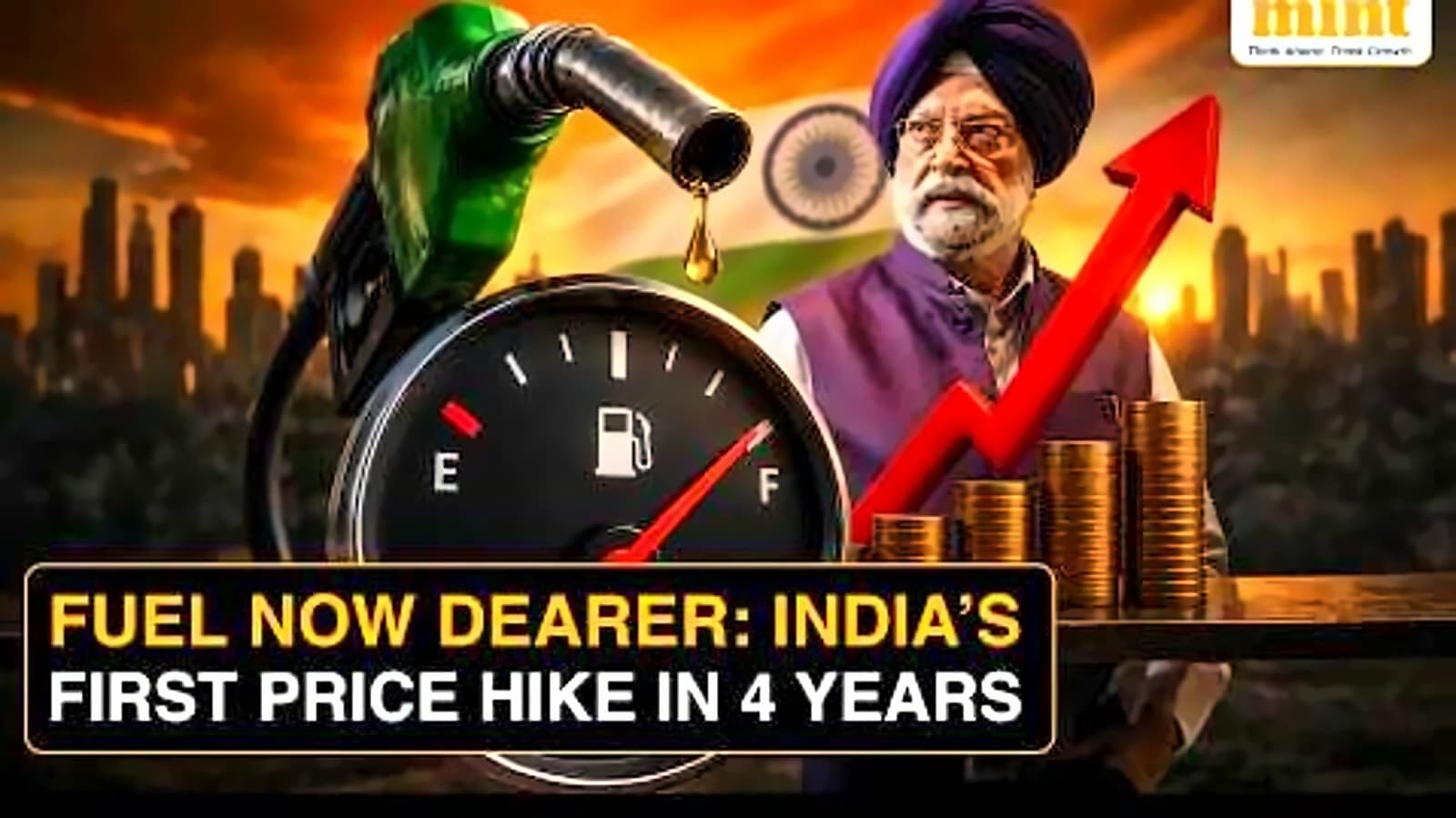
Since the West Asia war began, India's state-run oil companies have incurred losses of around ₹1 trillion as fuel prices were kept largely unchanged. As reported by the analysis, this represents a trade-off for consumers: either reduce fuel consumption today in response to higher prices or pay more than ₹1 trillion in taxes at a future date. In contrast to other countries, India has adjusted fuel prices by only 3%, while Malaysia, Pakistan, and the Philippines have increased prices by 50% since the war started. The latest developments show how rising crude and fuel prices increase daily living costs, creating a cascading effect that pushes inflation higher and forces companies to reduce hiring and profits.
According to the expert analysis, Europe allowed energy prices to rise after Russia invaded Ukraine in 2022, which encouraged conservation, reduced demand, and attracted LNG supplies from around the world. The United States has followed a similar approach during the current West Asia conflict, despite being largely self-sufficient in oil, with gasoline prices rising by about 45%. This approach allows markets to allocate scarce fuel more efficiently while maintaining economic freedom and avoiding the need for complex state controls.
The current inflation spike has created significant pressure on the Federal Reserve to address monetary policy. Commonly used monetary policy rules such as the Taylor rule would advocate a federal funds rate target over 5% based on headline inflation, compared to the current target of between 3.5% and 3.75%. Even conservative core CPI inflation readings would correspond to at least a 25-basis-point increase to the Fed's current target range. The analysis warns that Fed inaction carries far worse costs: inflation expectations can drift and entrench high inflation, making eventual correction sharper. Bond markets are already responding to these concerns, with private actors demanding higher compensation on assets and raising yields, potentially leaving households with the worst of both worlds.
The analysis notes that India has undergone a learning process over the past few decades, moving from expecting state determination of prices for petrol, steel, and airline tickets to accepting that these prices move with market conditions. However, large shocks such as wars still trigger demands for intervention, with policymakers increasingly needing to recognize that markets are better at determining prices than the state. The expert suggests that where prices remain controlled, such as petrol and diesel, a more effective approach may be to announce future price increases in advance, giving households and firms time to adjust. The latest developments highlight how economic slowdowns don't happen overnight—they follow a pattern that begins with rising crude and fuel prices, inflation, higher borrowing costs, and eventually leads to hiring slowdowns and layoffs.