As India prepares for the Viksit Bharat 2047 vision, banking sector reforms have emerged as a critical priority. According to Business Standard, the 'Banking for Viksit Bharat' high-level panel's roster is being finalised with a broad mandate to assess global-scale mergers, foreign holding rules and boardroom AI mandate. However, experts warn that the ₹3-4 trillion clean-up under the 4R framework (Recognition, Resolution, Recapitalisation and Reforms) was weak on reforms and accountability, with no one held responsible for the massive bad loan crisis that required around ₹16-17 trillion in writeoffs. The Asset Quality Review in 2015 showed gross NPAs rising from 4.1% in 2014 to 11.1% by 2018, with state-owned banks' NPAs at 14.6%, while alleged fraudsters like Vijay Mallya, Nirav Modi, and Mehul Choksi were allowed to flee without justice. Despite the cleanup, India's credit-to-GDP ratio remains low, comparable to Bangladesh and Indonesia, far below Vietnam and Thailand.
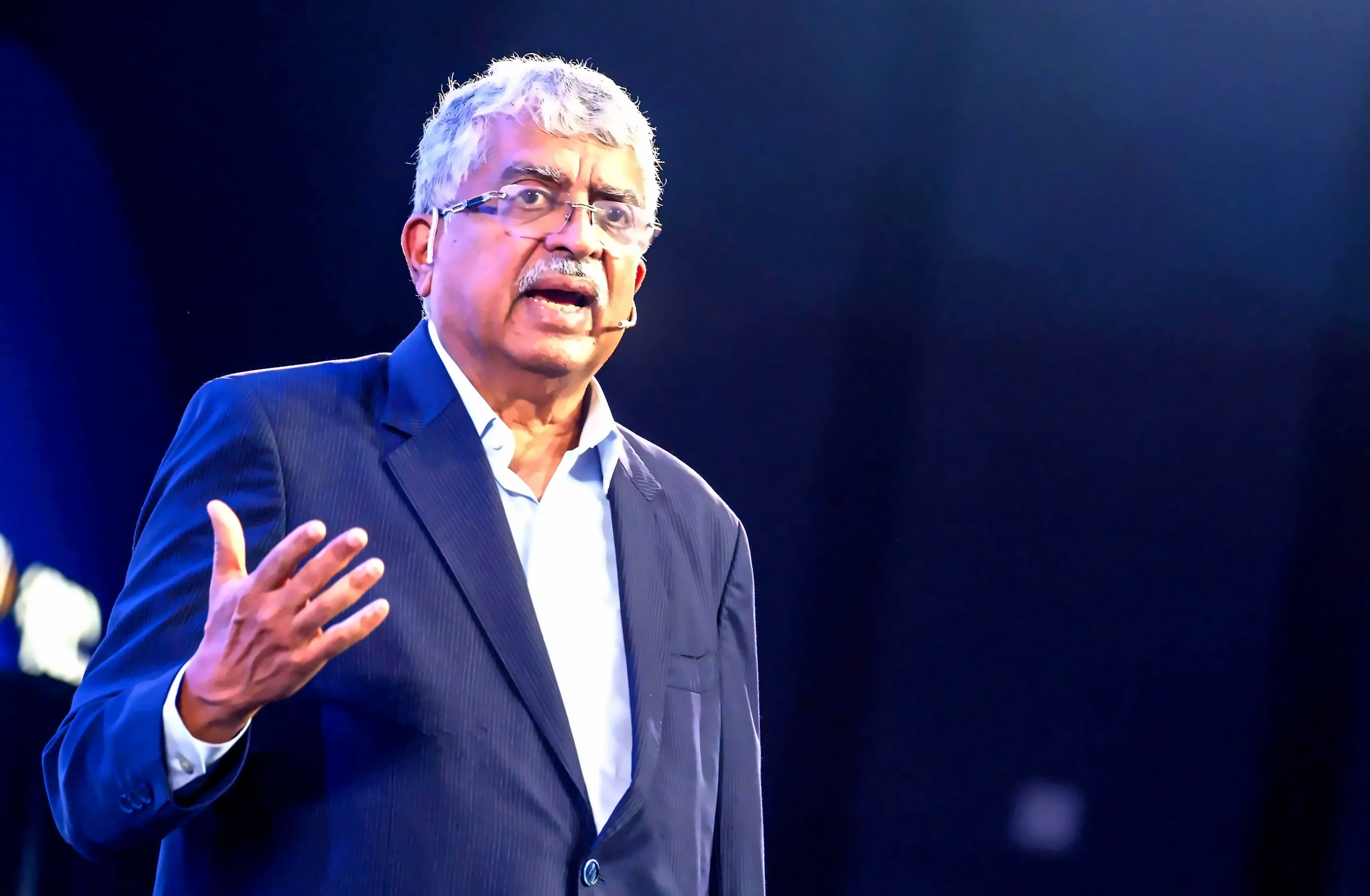
Tata Sons Chairman N Chandrasekaran delivered a robust assessment of India's economic performance, stating that the Indian economy is doing very well and has consistently exceeded expectations by posting the highest growth in a world that is uncertain and difficult. Speaking at the Indian Foundation for Quality Management (IFQM) Symposium 2026, Chandrasekaran emphasized that the country has consistently exceeded expectations in recent years by posting the highest growth in a world that is uncertain and difficult. He noted that India's growth is being driven by strong domestic demand, services exports and an enabling policy environment from the government, with strong demand growth in auto sales, credit, power and cement supporting the overall economic momentum. The Tata Sons Chairman, who was recently handed his third five-year term amid an intense boardroom battle, highlighted that the indicators are strong and pointed to multiple parameters including current account deficit consistently below one per cent of GDP, services exports at about 11 per cent of GDP, strong forex reserves and healthy bank NPAs that demonstrate India's robust position.
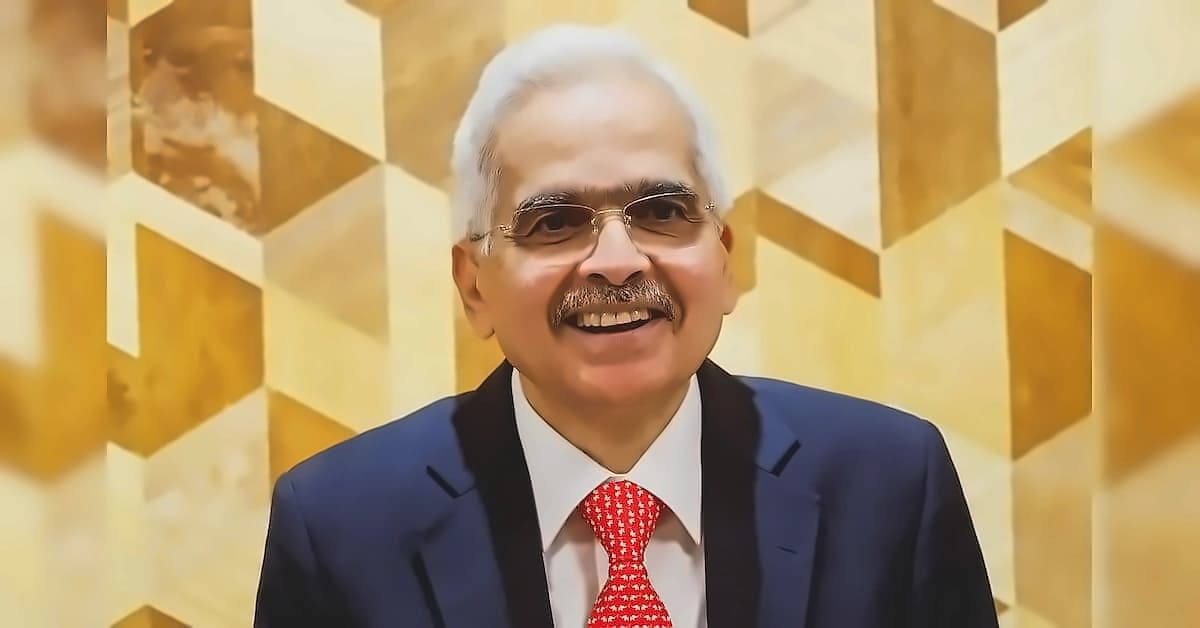
Principal Secretary to Prime Minister Shaktikanta Das emphasized that India must build stronger domestic capabilities while remaining integrated with global markets to achieve the Viksit Bharat goal of becoming a developed economy by 2047. Speaking at the 5th Kautilya Economic Conclave 2026 in Delhi, Das stated that sustaining the momentum of reforms would be critical to realizing the Viksit Bharat vision. He noted that sustaining the growth momentum will be critical as India moves towards the Viksit Bharat goal, while stressing that the objective should not be viewed as an impossibility. As reported by Business Standard, he explained that Aatmanirbharta does not imply isolation but stands for building stronger domestic capabilities while remaining integrated with global markets and concluding more free trade agreements. According to Zee News, Das highlighted that key reforms implemented in the last 10 years were not designed as one-off measures, but as systemic buffers that enabled the economy to absorb disruptions and recover rapidly. For the Viksit Bharat 2047 goal, Das identified five broad priorities: harnessing the AI revolution, deepening the financial ecosystem, strategic Atmanirbharta, sustainable development and climate leadership, and investment in human capital. Chandrasekaran reinforced this vision, stating that the Viksit Bharat 2047 vision has percolated across multiple aspects of the country and will require inclusive and sustainable development, built on world-class infrastructure, institutions and intellectual property.
Chandrasekaran identified energy security, advanced and precision manufacturing jobs and investment in human capital as 'critical' for sustaining long-term growth. Speaking at the IFQM Symposium 2026, he drew attention to sustaining growth over a long period will require several things to happen, emphasizing these three areas as essential for India's continued economic success. He cited the example of Toyota, noting that the Japanese auto giant never looked at quality as just a mere outcome, but also focused on innovation and productivity at the same time. According to Business Standard, he said quality is definitely important to produce the outcome that we want But it became a key driver for innovation, productivity and competitiveness for Toyota. He urged Indian manufacturers to integrate sustainable manufacturing processes, besides quality and other factors, stating that it has to 'get embedded in our whole manufacturing ambition'. He also hoped that this transformation will create a very strong leadership of not only big companies, but also for middle strand ecosystem and will create experts who will act as a force multiplier by not only helping our country, but also becoming a global voice in every part of the world in shaping the future of how these products are produced globally. He also cited Germany as a country that triggered a transformation by focusing on national competitive advantage through quality, noting that be it in terms of engineering of their products or defining standards or precision or building their entire supplier and SME or the middle strand ecosystem, India needs such a transformation.
India recorded real GDP growth of 7.8% in the first quarter of FY27, with domestic demand and investment providing significant support. Das reiterated his earlier assessment that the country was within 'striking distance' of 8% growth, noting that growth over the four quarters from July-September 2025 through April-June 2026-27 averaged slightly above 8%. The average growth rate during the five-year period between fiscal 2022 and fiscal 2026 stood at 7.9%. According to The Times of India, the Indian economy expanded 7.8% in the June quarter after a 7.9% growth last financial year, with the former RBI governor attributing it to strong domestic demand and investment. The Kautilya Economic Conclave 2026 brought together more than 180 policymakers, economists, academics, financial experts and international thought leaders from around 30 countries, with discussions focusing on global economic shocks, trade fragmentation, investment, technology and India's economic priorities.
Das outlined that India's financial architecture will need to deepen as the country's economic weight expands, requiring stronger channels for long-term finance and greater availability of patient capital. He also flagged risks from the global economic environment, noting that with monetary policies expected to remain restrictive and debt levels likely to rise in advanced economies, bond yields could harden further. The current global economy is characterized by wars, fragmentation, unilateralism, technological blockade, energy price volatility and rising inflation, creating uncertainty that could stifle global growth. However, India's prudent management of the external sector has further strengthened macroeconomic stability. According to Zee News, Das highlighted the restoration of the health of the country's banking sector as another 'defining feature' of India's resilience. He also emphasized the importance of an independent assessment of monetary policy by the central bank as part of maintaining fiscal and monetary stability.
Despite global challenges, Das emphasized that the Indian economy remains resilient and is better positioned to absorb global oil shocks. He noted that this resilience, built on the back of structural reforms undertaken over the past decade, provides a strong foundation for the next phase of reforms. According to The Times of India, Das said India's resilience is not accidental. It is the outcome of broad and mutually reinforcing reforms. The former economic affairs secretary noted that India's financial sector and prudent management of the external sector had also emerged as strong pillars of economic growth. External sector indicators have remained broadly resilient, supported by export diversification, free trade agreements, a sustained surplus in services trade and steady inward remittances. According to Zee News, Das identified macroeconomic stability as the second major pillar of India's resilience, noting that the flexible inflation-targeting framework rolled out in 2016 enabled India to navigate successive shocks including the Covid pandemic, the Russia-Ukraine war and conflicts in West Asia. The government's policy of sustained fiscal consolidation without compromising on growth-supporting expenditure had helped to stabilise the economy.